Conference speaker pages are among the more overlooked sources of editorial backlinks available to businesses and SEO professionals. When an event organiser lists a speaker on their website, they typically include a short biography, a headshot, and a link back to the speaker’s website or company page. Those links sit on domains that often carry genuine topical authority, attract real audiences, and have been built over years of legitimate editorial activity. Understanding how to earn backlinks from conference speaker pages — and how to assess whether those links are worth pursuing — can help you decide whether this tactic belongs in a broader link acquisition strategy.
Key Takeaways
- Conference speaker page backlinks are typically editorial links placed by event organisers, which means they tend to carry stronger trust signals than self-placed or paid directory links.
- Earning these links requires genuine speaking engagements or, in some cases, strategic outreach to events that accept contributed content or virtual participation.
- The quality of the referring domain varies significantly between a niche industry conference and a large generalist event, so publisher assessment matters before investing time in outreach.
- This tactic works best as part of a diversified link building campaign rather than as a standalone strategy, and results depend on the website’s existing authority, content quality, and competitive landscape.
- Timelines from initial outreach to a live, indexed link can range from several weeks to several months, depending on the event schedule and the organiser’s publication process.
What Are Conference Speaker Page Backlinks?
A conference speaker page backlink is a link placed by an event organiser on a dedicated speaker profile or event agenda page, pointing to the speaker’s website, company domain, or a specific landing page. These pages exist because event organisers want to give attendees context about who is presenting, what their background is, and where to learn more. The link is typically placed within a short biography section and is editorially controlled by the organiser rather than the speaker.
Because the organiser decides whether to include the link and where it points, these placements are generally considered editorial in nature. That distinction matters from an SEO perspective. Editorial links — those placed at the discretion of a third-party publisher based on relevance and merit — are generally regarded as more valuable than links that are self-submitted, purchased outright, or placed through automated processes. Google’s published guidance on link spam has consistently emphasised that links should be earned rather than manufactured, and speaker page links, when acquired through genuine participation, align more closely with that principle than many other link acquisition methods.
The referring domains for these links vary considerably. A well-established industry conference with a long history, a loyal professional audience, and strong organic search visibility will typically offer a more valuable backlink than a newly launched event with minimal web presence. Assessing the referring domain’s topical relevance, organic traffic, and backlink profile using tools such as Ahrefs, Semrush, or Majestic before pursuing a placement is a reasonable step in any quality-focused campaign.
Why These Links Can Be Valuable for SEO
Conference speaker page backlinks offer several characteristics that make them worth considering within a diversified link acquisition strategy. First, the referring domains are often topically relevant. Industry conferences attract audiences within a specific sector, and the event website’s content — session topics, speaker biographies, sponsor pages — tends to reflect that sector consistently. A backlink from a cybersecurity conference speaker page to a cybersecurity software company’s website carries a degree of topical alignment that a generic directory listing cannot replicate.
Second, these links tend to appear on pages with genuine editorial context. The speaker biography surrounding the link describes the person’s expertise, company, and professional background. That surrounding content provides semantic context that may help search engines understand the relevance of the link to the linked page. While the precise weight search engines assign to surrounding anchor context is not publicly documented in detail, the general principle that link context matters is well established in SEO practice.
Third, conference websites often attract real referral traffic. Attendees, potential attendees, journalists, and industry professionals visit event websites to review the agenda and speaker lineup. A link on a well-trafficked speaker page can generate direct referral visits in addition to any SEO benefit, which is a meaningful distinction from links placed purely for search engine signals with no realistic prospect of human visitors.
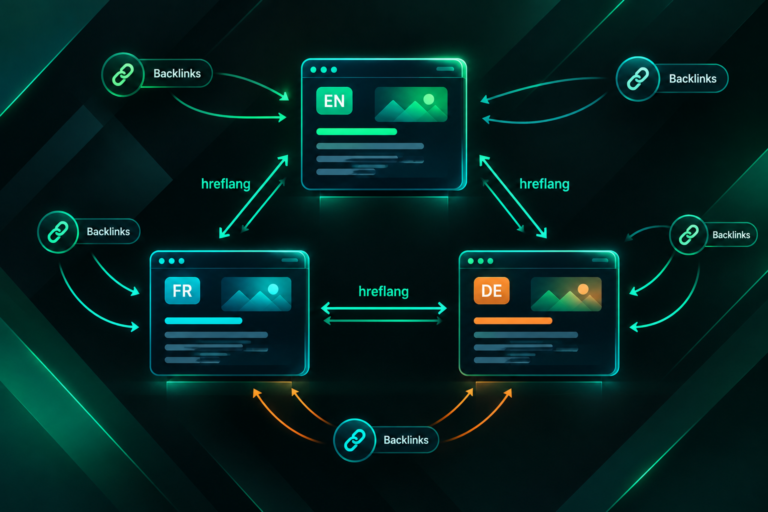
Fourth, speaker page links contribute to backlink profile diversity. A healthy backlink profile typically includes links from a range of domain types — editorial publications, industry directories, partner websites, and event pages among them. Relying too heavily on any single link type can make a profile appear less natural, so conference speaker links can serve a useful diversification function within a broader campaign.
How to Earn Backlinks from Conference Speaker Pages
Earning these backlinks requires a structured approach. The most straightforward path is to secure a genuine speaking engagement at a relevant industry event. Organisers of conferences, summits, webinars, and professional development events routinely publish speaker profiles, and most include a link to the speaker’s website as standard practice. The link acquisition, in this case, is a natural byproduct of the speaking activity rather than the primary goal.

Identifying Suitable Events
Start by mapping the events that are most relevant to your industry, target audience, and geographic market. Industry associations, trade publications, and professional networks are useful starting points for identifying recurring conferences and summits. Tools such as Ahrefs and Semrush can help you assess the organic visibility and backlink profile of event websites before you invest time in an application. Look for events with established web presence, consistent annual schedules, and speaker pages that include followed links rather than nofollow attributes — though nofollow links can still contribute to referral traffic and brand visibility even if their direct SEO value is more limited.
Virtual and hybrid events have expanded the range of accessible speaking opportunities significantly. Many online summits and webinar series publish speaker profiles with backlinks, and the barrier to participation is often lower than for in-person events. Niche online conferences in sectors such as SaaS, e-commerce, digital marketing, and professional services frequently maintain speaker pages that remain live on the event website for months or years after the event concludes, extending the link’s longevity.
Crafting a Speaker Proposal
Most conferences accept speaker applications through a formal call for proposals or a speaker submission form. A strong proposal identifies a specific topic that is genuinely useful to the event’s audience, demonstrates the applicant’s relevant expertise, and explains why the session would add value to the programme. Proposals that are clearly tailored to the event’s theme and audience tend to perform better than generic pitches sent to multiple organisers simultaneously.
If you are pursuing speaking opportunities primarily for link acquisition purposes, it is worth ensuring that the speaking activity itself is credible and that the content you would deliver is genuinely valuable. Event organisers assess proposals based on audience relevance and speaker credibility, and a weak or irrelevant proposal is unlikely to succeed regardless of the domain authority of the event website.
Outreach to Existing Speaker Pages
A secondary approach involves identifying conferences that have already published speaker pages and reaching out to organisers to explore whether there are opportunities to contribute — through a guest session, a panel participation, a sponsored speaking slot, or a contributed resource that earns a mention on the event site. This approach requires careful attention to the distinction between editorial placements and paid or sponsored placements. Sponsored speaking slots may result in links that organisers are required to mark as sponsored or nofollow under search engine guidelines, which affects their SEO value differently from editorially placed links.
Manual outreach to event organisers should be personalised, relevant, and focused on the value you can offer to their audience. Generic outreach templates are unlikely to generate responses from established conference organisers who receive many similar requests. Researching the event’s past speakers, session topics, and audience profile before making contact demonstrates genuine interest and improves the likelihood of a productive conversation.
Leveraging Existing Speaking History
If you or your team members have spoken at past events, it is worth auditing whether those events published speaker pages and whether those pages include a link to your website. In some cases, organisers publish speaker profiles but omit the website link, or the link points to a personal profile rather than the company domain. A polite follow-up email to the organiser requesting that a link be added or corrected is a low-effort tactic that can recover link opportunities that already exist in principle.
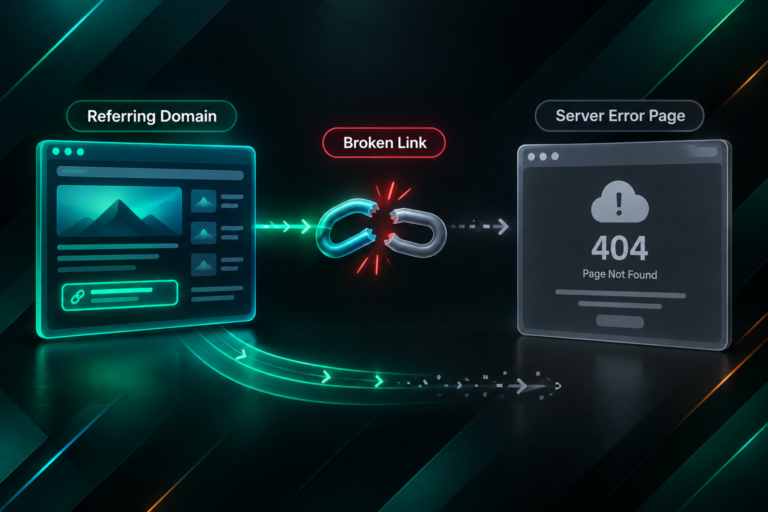
Similarly, if a past event’s speaker page has been archived or moved, checking whether the link still resolves correctly and whether the page remains indexed can identify opportunities to request an update or a redirect that preserves the link’s value.
Assessing the Quality of Conference Speaker Page Links
Not all conference speaker page backlinks carry equal value. Assessing quality before investing significant time in outreach or speaking preparation is a practical step that helps prioritise effort. Several factors are worth evaluating.
- Topical relevance: Does the conference serve an audience that is genuinely relevant to your industry, product, or service? A link from a highly relevant niche event is likely to carry more contextual value than a link from a broad generalist conference with no clear topical alignment.
- Domain authority metrics: Third-party metrics such as Ahrefs’ Domain Rating, Semrush’s Authority Score, and Moz’s Domain Authority can provide a rough indication of a domain’s backlink profile strength. These are proprietary metrics, not Google-provided signals, and should be treated as directional indicators rather than guarantees of SEO impact.
- Organic traffic and search visibility: An event website that attracts consistent organic search traffic is more likely to generate referral visits and to be treated as a credible source by search engines than a site with minimal organic presence.
- Link attributes: Check whether the speaker page links are followed or carry nofollow or sponsored attributes. Followed links are generally considered more valuable for SEO purposes, though nofollow links can still contribute to referral traffic and a natural-looking backlink profile.
- Page indexation: A speaker page that is not indexed by search engines will not pass link equity regardless of the domain’s overall strength. Verifying that the specific page is indexed is a basic quality check.
- Link longevity: Consider how long the event website is likely to keep the speaker page live. Some organisers archive past event pages indefinitely; others remove them after the event concludes. Links on pages that are removed or redirected may lose their value over time.
Realistic Timelines and What to Expect
The timeline from initial outreach to a live, indexed backlink from a conference speaker page is typically longer than for some other link acquisition methods. Conference speaking opportunities are often planned months in advance, with calls for proposals closing well before the event date. The speaker page itself may not be published until closer to the event, and indexation by search engines may take additional time after publication.
A realistic timeline for a single speaking engagement pursued from scratch might look like this: two to four weeks to identify suitable events and prepare a proposal, one to three months for the organiser to review applications and confirm speakers, one to three months between confirmation and the event date when the speaker page is published, and a further two to eight weeks for the link to be crawled and indexed. In total, the process from initial research to a confirmed, indexed link can take anywhere from three to nine months, depending on the event’s schedule and the organiser’s publication process.
This timeline is longer than for tactics such as niche edits or some forms of guest posting, where placements can sometimes be arranged and published within a few weeks. For campaigns with short-term ranking targets, conference speaker page links may be better suited as a complementary tactic within a broader strategy rather than the primary acquisition method.
Limitations and Risks
Conference speaker page link building has meaningful limitations that are worth understanding before committing significant resources to the strategy.
Scalability is limited. Earning speaking engagements requires genuine expertise, preparation, and time. Unlike some link acquisition methods that can be scaled through systematic outreach, speaking opportunities are constrained by the number of relevant events, the competitiveness of speaker selection, and the practical capacity of the individuals involved. Businesses that need to acquire a large volume of links within a short timeframe may find this tactic insufficient on its own.

Link placement is not guaranteed. Even after a speaking engagement is confirmed, the organiser controls whether a link is included on the speaker page, where it points, and what attributes it carries. Some organisers use nofollow attributes on all external links as a matter of policy. Others may link to a social media profile rather than the company website. Clarifying the organiser’s standard practice before committing to a speaking engagement is advisable if the backlink is a primary objective.
Link longevity is variable. Conference websites are sometimes restructured, archived, or taken offline after an event concludes. A link that was live and indexed at the time of the event may no longer resolve correctly months or years later. Monitoring your backlink profile using tools such as Google Search Console, Ahrefs, or Semrush can help identify lost links and inform decisions about whether to pursue replacements.
Sponsored speaking slots carry policy considerations. If a speaking opportunity involves a financial arrangement with the organiser — such as a paid sponsorship that includes a speaking slot — the resulting link may be considered a paid link under search engine guidelines. Google’s spam policies indicate that paid links intended to manipulate PageRank should carry appropriate attributes. Misrepresenting a paid placement as an editorial one carries a risk of manual action or algorithmic devaluation, though the practical likelihood of enforcement varies and is not publicly quantified.
Results depend on broader SEO factors. A backlink from a conference speaker page will not independently resolve ranking problems caused by weak content, technical SEO issues, crawling or indexation problems, or a significant competitive gap. Link building is one component of a broader SEO strategy, and its impact depends on the website’s existing condition, the competitiveness of the target keywords, and the quality and relevance of the links acquired.
Who May Benefit Most from This Tactic
Conference speaker page link building tends to be most suitable for businesses and individuals who already have, or are actively developing, a credible public profile within their industry. Founders, senior executives, consultants, and subject-matter experts who speak at industry events as part of their professional activity are well positioned to earn these links as a natural byproduct of that activity.
B2B companies in sectors with active conference cultures — technology, finance, healthcare, marketing, legal services, and professional services among them — typically have more relevant speaking opportunities available than businesses in sectors with fewer organised events. SaaS companies and e-commerce businesses operating in competitive niches may find that conference speaker links complement other link acquisition tactics by adding topically relevant, editorially placed links from credible industry sources.
Businesses that are newer, have limited public-facing expertise, or operate in sectors with few organised events may find the tactic harder to execute at meaningful scale. In those cases, alternative link acquisition methods such as digital PR, guest posting on industry publications, or resource-based link building may offer a more accessible path to editorial backlinks.
Alternatives and Complementary Tactics
Conference speaker page links work best as part of a diversified link acquisition strategy. Several complementary tactics can help build a well-rounded backlink profile alongside speaking-derived links.
Guest posting on industry publications involves contributing original articles to relevant websites in exchange for an author biography link or an in-content link. The acquisition process is more scalable than securing speaking engagements, and placements can often be arranged within a shorter timeframe. The quality of guest post placements varies significantly depending on the publisher’s editorial standards and organic visibility, so publisher assessment is equally important.
Digital PR involves creating newsworthy content — original research, data studies, expert commentary, or compelling stories — that earns coverage and links from journalists and editorial publications. Digital PR links tend to appear on high-authority news and media domains, and the editorial nature of the placement is generally strong. The tactic requires investment in content creation and media outreach, and results are less predictable than more systematic outreach methods.
Niche edits involve adding a link to an existing published article on a relevant website, typically through outreach to the site owner or editor. This approach can be faster than guest posting or speaking engagements, but the quality of niche edit placements varies considerably, and some providers operate in ways that may not align with search engine guidelines.
Resource page link building involves identifying pages on relevant websites that list useful resources for their audience and requesting inclusion of a genuinely useful asset from your website. This tactic works well when you have high-quality, freely accessible resources such as guides, tools, or data that are relevant to the resource page’s audience.
A well-structured link building campaign often combines several of these methods, with the specific mix determined by the website’s goals, competitive landscape, existing backlink profile, and available resources.

Frequently Asked Questions
Do conference speaker page links count as editorial links?
Generally yes, when the link is placed by the event organiser as part of a standard speaker biography and the speaking engagement was earned through a genuine application or invitation process. The organiser controls the placement, which gives it an editorial character. However, if the speaking slot was purchased as part of a sponsorship package, the link may be considered a paid placement and should carry appropriate attributes under search engine guidelines.
How many conference speaker page links do I need to see an SEO impact?
There is no fixed number that guarantees a measurable SEO outcome. The impact of any backlink depends on the referring domain’s authority and relevance, the existing strength of your backlink profile, the competitiveness of your target keywords, and the overall quality of your website’s content and technical SEO. A small number of high-quality, topically relevant links from credible conference websites may contribute more meaningfully than a larger number of links from low-visibility event sites.
What if the conference uses nofollow links on speaker pages?
Nofollow links do not pass link equity in the same way as followed links, but they can still generate referral traffic and contribute to a natural-looking backlink profile. If a conference’s speaker pages consistently use nofollow attributes, the SEO value of the link is more limited, though the brand visibility and referral traffic benefits may still make the speaking engagement worthwhile depending on your goals.
How long do conference speaker page links typically remain live?
This varies significantly between organisers. Some conference websites maintain speaker pages indefinitely, particularly for annual events that archive past editions. Others remove or redirect speaker pages after the event concludes. Checking the organiser’s past event archives before pursuing a placement can give you a rough indication of how long the link is likely to remain live.
Can I outsource the outreach for conference speaker page links?
The outreach component — identifying relevant events, researching organiser contacts, and sending personalised proposals — can be managed by an experienced link building team. However, the speaking engagement itself requires genuine participation from someone within your organisation. A link building provider can support the research and outreach process, but the credibility of the speaking opportunity depends on the expertise and profile of the actual speaker.
Is this tactic suitable for e-commerce websites?
It can be, particularly for e-commerce businesses whose founders or team members have genuine expertise to share at industry events — for example, in retail technology, supply chain, consumer trends, or digital marketing. The tactic is less straightforward for e-commerce sites that lack a clear public-facing expert profile, in which case other link acquisition methods may be more practical.
Is Pursuing Conference Speaker Page Backlinks Worth the Effort?
Conference speaker page backlinks offer a genuine, editorially grounded path to acquiring links from topically relevant, credible domains. The links tend to be placed in meaningful context, the referring domains often carry real organic visibility, and the acquisition process aligns with the kind of merit-based link earning that search engine guidelines describe as appropriate. For businesses and individuals who already participate in industry events, or who are building a public profile within their sector, these links can be a valuable component of a broader link acquisition strategy.
The limitations are equally real. The tactic is difficult to scale quickly, the timeline from outreach to a live indexed link is often measured in months, and the link placement itself is never fully within the speaker’s control. Businesses that need to build a large volume of links within a short timeframe, or that lack a credible speaking profile, may find that other tactics offer a more practical path to their goals.
The most effective approach is typically to treat conference speaker page links as one element within a diversified campaign that also includes guest posting, digital PR, resource-based outreach, or other relevant methods. If you are considering how this tactic might fit within a broader link building strategy for your website, discussing your specific goals, competitive landscape, and existing backlink profile with an experienced link building team can help you assess whether the investment is likely to be worthwhile in your particular context.