A digital press kit gives journalists, bloggers, and editors everything they need to cover your brand accurately and efficiently. When built well, it reduces back-and-forth, increases the likelihood of accurate coverage, and creates a persistent resource that can attract editorial mentions and backlinks over time. This guide explains what to include, how to structure and host your press kit, and how it fits into a broader digital PR and link acquisition strategy.
Key Takeaways
- A digital press kit is a centralized, always-available resource containing brand assets, company information, executive bios, and media contact details that journalists can access without waiting for a response.
- The most effective press kits are structured for speed: journalists work to deadlines, so clear navigation and downloadable assets matter more than visual complexity.
- A well-maintained press kit can support link building by making it easier for editors and writers to reference and cite your brand accurately in published content.
- Hosting your press kit on your own domain, rather than a third-party platform, keeps any editorial links pointing to your website rather than an external service.
- A press kit is a supporting tool, not a guarantee of coverage. Media outreach, story relevance, and timing remain the primary factors in whether a journalist chooses to write about your brand.
What Is a Digital Press Kit?
A digital press kit, sometimes called an online media kit or press room, is a dedicated web page or downloadable package that provides journalists, podcast hosts, bloggers, and content creators with the information and assets they need to cover a brand or story. Unlike a printed press kit, a digital version can be updated in real time, accessed from anywhere, and linked to directly from a pitch email or media outreach campaign.
The term is sometimes used interchangeably with “media kit,” though media kits in an advertising context often include audience demographics and advertising rates. A press kit aimed at editorial journalists focuses instead on factual brand information, story angles, visual assets, and contact details. Understanding this distinction helps you build a resource that matches what working journalists actually need rather than what an advertising sales team would prepare.
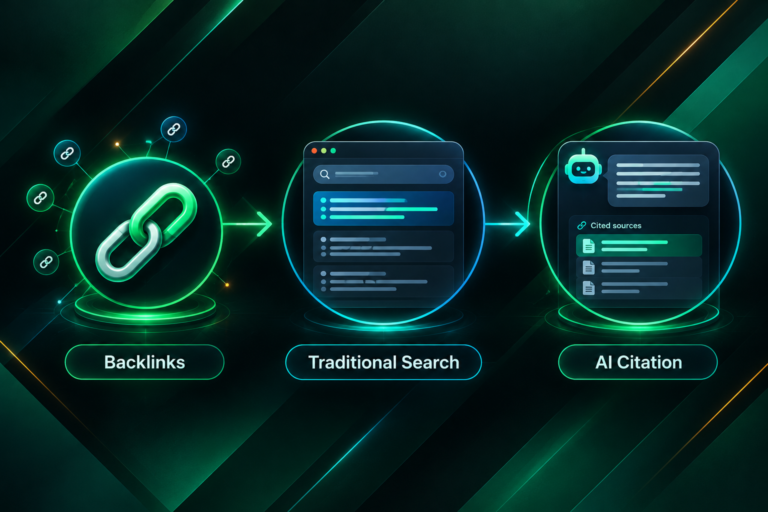
From an SEO and link building perspective, a press kit serves a secondary but meaningful function. When a journalist or blogger references your brand in a published article, they may link to your press kit page or to the specific assets hosted there. Keeping those assets on your own domain means any resulting backlinks point to your site, contributing to your backlink profile rather than a third-party hosting service.
Core Elements Every Press Kit Should Include
The specific contents of a press kit vary by industry and business size, but several elements are consistently useful to journalists regardless of the story they are covering.
Company Overview and Boilerplate
A concise company overview, typically 100 to 200 words, explains what your business does, who it serves, when it was founded, and where it operates. This boilerplate text is the passage journalists often paste directly into an article when describing a company for the first time. Writing it in plain, factual language rather than marketing copy makes it more likely to be used without heavy editing. Include a shorter version of approximately 50 words for situations where space is limited, such as podcast show notes or event programs.
Executive Bios and Headshots
Journalists writing profiles, opinion pieces, or industry roundups frequently need a brief biography and a professional photograph of a company founder, CEO, or subject-matter expert. Each bio should state the person’s role, relevant professional background, and any credentials or recognizable achievements that establish credibility. Headshots should be available in high resolution, ideally at least 1,500 pixels on the shortest side, and provided in a format that works for both print and digital use. Including a low-resolution web version alongside the high-resolution file saves journalists time.
Brand Assets and Logo Files
Provide your logo in multiple formats: SVG or EPS for scalable use, PNG with a transparent background for digital placement, and versions suitable for both light and dark backgrounds. Specify your brand colors using hex codes and RGB values, and note any usage restrictions such as minimum size requirements or prohibited color alterations. When journalists or bloggers can access correct brand assets immediately, your brand is represented accurately in published content, which matters both for brand integrity and for the consistency of any editorial mentions that may generate backlinks.
Recent Press Releases and News
A chronological archive of press releases gives journalists context about your company’s recent activity, product launches, funding rounds, partnerships, or milestones. Each press release should be available as a readable web page rather than only as a PDF download, because web-based content is indexable by search engines and accessible without additional software. Linking to relevant press releases from your press kit page also creates internal linking opportunities that can support the SEO value of your media room.
Product or Service Information
Depending on your business, journalists may need a clear description of your core products or services, including key features, pricing tiers if publicly available, and the problem each product solves. Avoid promotional language here. Journalists are looking for factual descriptions they can reference accurately, not sales copy. If your product has won awards, received certifications, or been featured in notable publications, a brief factual mention with verifiable details is appropriate.
Data, Research, and Statistics
Original data is one of the most link-worthy assets a brand can offer. If your company has conducted surveys, published industry reports, or compiled proprietary research, including a summary with key findings in your press kit gives journalists a citable source. Data-driven content tends to attract editorial backlinks because it provides journalists with a reference point they can attribute. Be precise about methodology, sample size, and the date the research was conducted, as journalists and editors may scrutinize these details before citing your figures.
Media Contact Information
Every press kit should include a clearly labeled media contact: a named person, their email address, and ideally a direct phone number or messaging option. Generic contact forms create friction for journalists working under deadline pressure. A named contact signals that a real person is available to respond, which increases the likelihood that a journalist will follow up rather than move on to a more accessible source.
How to Structure and Host Your Digital Press Kit
Structure and hosting decisions affect both usability for journalists and the SEO value your press kit generates for your website.
Hosting on Your Own Domain
Hosting your press kit on a dedicated page within your own website, such as yourwebsite.com/press or yourwebsite.com/media, keeps all editorial links pointing to your domain. Third-party press kit platforms and file-sharing services may offer convenience, but any backlinks generated by journalists who link to those platforms benefit the platform’s domain rather than yours. For businesses that view press coverage as part of a link acquisition strategy, keeping assets on your own domain is the more practical choice.
A dedicated press page also allows you to optimize the page for relevant search queries. Journalists and researchers sometimes search for a brand’s press resources directly, and a well-structured, indexed press page can appear in those results. This is a modest but real SEO benefit that a third-party hosted kit cannot provide.
Page Structure and Navigation
Organize your press kit page so that a journalist can find what they need within a few seconds. Use clear section headings, anchor links to jump between sections, and a consistent visual hierarchy. Avoid requiring registration or login to access assets, as this creates an immediate barrier for journalists who may simply move on to a competitor’s more accessible resources. Where file downloads are necessary, use clearly labeled buttons with file format and size indicated so journalists know what they are downloading before they click.
Mobile Accessibility and Load Speed
Journalists access resources from a range of devices, including mobile phones when working remotely or at events. A press kit page that loads slowly or displays poorly on mobile reduces the likelihood of use. Standard web performance practices apply: compress images appropriately, avoid unnecessary scripts, and test the page on multiple screen sizes. These are also factors that affect how search engines assess page quality, so optimizing for journalist usability and for search performance are aligned goals.
Keeping the Press Kit Current
An outdated press kit can cause more problems than having none at all. Journalists who find incorrect founding dates, former executives, or discontinued products may question the reliability of other information on your site. Assign responsibility for press kit maintenance to a specific team member and establish a review schedule tied to significant company events such as product launches, leadership changes, or annual milestones. A last-updated date displayed on the page signals to journalists that the resource is actively maintained.
How a Digital Press Kit Supports Link Building
A digital press kit contributes to link acquisition in several indirect but meaningful ways. Understanding these mechanisms helps you build a press kit that functions as a genuine SEO asset rather than simply a media relations tool.
Reducing Friction in Outreach Campaigns
When conducting manual outreach or digital PR campaigns, including a link to your press kit in pitch emails gives journalists immediate access to the assets they need to verify your credibility and begin writing. This reduces the number of follow-up exchanges required before a journalist can publish, which can shorten the time between outreach and placement. For agencies managing outreach on behalf of clients, a well-prepared press kit also reduces the internal workload involved in responding to journalist asset requests.
Earning Editorial Backlinks Through Citable Assets
Original research, data visualizations, and factual brand information hosted on your press kit page can attract editorial backlinks independently of active outreach. When a journalist or blogger references a statistic or finding from your published research, they may link to the source page on your domain. This type of link acquisition, sometimes described as data-led or research-led link building, tends to produce editorially placed backlinks rather than paid or sponsored placements. The distinction matters because editorially placed links generally carry more weight in how search engines assess a backlink profile, though outcomes depend on many factors including the authority and relevance of the linking publication.
Supporting Brand Mentions and Unlinked Citation Conversion
Brands that are frequently mentioned in online publications without a corresponding link represent a link reclamation opportunity. A press kit makes it easier to approach publishers who have mentioned your brand and request that they add a link to your press page or a relevant asset. Having a specific, useful URL to suggest, such as a research summary or a detailed company overview page, gives the publisher a clear destination and a reason to add the link rather than simply acknowledging the mention.
Alignment with Digital PR Strategy
Digital PR, as a link acquisition method, involves creating newsworthy content or stories that earn coverage and backlinks from online publications. A press kit supports this strategy by providing the supporting materials journalists need once a story has been pitched successfully. Without accessible assets, a journalist who is interested in covering your brand may delay or abandon the piece due to the effort required to gather information. A comprehensive press kit removes that obstacle and increases the conversion rate from pitch to published coverage.
Common Mistakes to Avoid
Several recurring errors reduce the effectiveness of digital press kits, even when the underlying brand story is strong.
- Using marketing language instead of factual descriptions. Journalists edit out promotional copy. Factual, neutral language is more likely to be used directly.
- Providing only low-resolution images. Publications with print editions or high-resolution digital formats require large image files. Providing only web-optimized images limits where your brand can be featured.
- Omitting a named media contact. A generic contact form or a general inbox address reduces response rates and signals that media relations is not a priority.
- Hosting assets exclusively on file-sharing platforms. Links to Dropbox folders, Google Drive, or similar services may expire, change, or fail to load in certain environments. Hosting assets directly on your domain is more reliable.
- Neglecting to update the press kit after significant changes. Outdated information damages credibility and can result in inaccurate coverage that requires correction.
- Making the page difficult to find. If your press kit is not linked from your main navigation, footer, or about page, journalists may not locate it even when they are actively looking for it.
Press Kit Formats: Page, PDF, or Both?
The question of whether to present your press kit as a web page, a downloadable PDF, or a combination of both depends on how journalists in your industry typically work and what your technical resources allow.
A dedicated web page is generally preferable as the primary format because it is indexable by search engines, always current, and accessible without downloading a file. It also allows you to track visits using analytics tools, giving you insight into which journalists or publications are accessing your resources. A web page can be updated immediately when information changes, whereas a PDF requires redistribution every time it is revised.
A downloadable PDF version can be useful as a supplementary format for journalists who prefer to save a snapshot of your information for reference during writing. If you offer a PDF, include a version date on the document and note that the web page contains the most current information. Avoid making the PDF the only format, as it creates an indexing barrier and a maintenance burden.
Frequently Asked Questions
How long should a digital press kit be?
There is no fixed length requirement. A press kit should include everything a journalist needs to cover your brand accurately and nothing that creates unnecessary reading time. For most businesses, a single well-organized web page covering the core elements described above is sufficient. Larger organizations with multiple product lines, regional offices, or extensive media archives may need a more structured press room with subsections.
Should a press kit be password protected?
Password protection is generally counterproductive for a press kit intended for journalists. Requiring login credentials creates friction and may cause a journalist to abandon the resource entirely. If you have sensitive assets such as embargoed announcements or unreleased product images, those can be shared directly with specific journalists under embargo rather than hosted in the general press kit.
How does a press kit differ from a media kit used for advertising?
A press kit for editorial journalists focuses on factual brand information, story assets, and contact details. An advertising media kit typically includes audience demographics, reach statistics, advertising formats, and rate cards. The two serve different audiences and different purposes. Some organizations maintain both, clearly labeled, to avoid confusion between editorial and commercial inquiries.
Can a press kit help with SEO directly?
A press kit hosted on your own domain can contribute to SEO in several ways: it may attract editorial backlinks from publications that cite your assets, it creates an indexable page that can appear in branded search results, and it supports digital PR campaigns that aim to earn coverage and links from authoritative publications. However, a press kit alone is not an SEO strategy. Its SEO contribution depends on the quality of the assets it contains, the relevance of the publications that link to it, and the broader context of your website’s backlink profile and content quality.
How often should a press kit be updated?
Review your press kit whenever a significant change occurs: a new product launch, a leadership change, a funding announcement, a rebrand, or a major milestone. A general review every six months is a reasonable minimum for businesses that are actively seeking media coverage. Displaying a “last updated” date on the page helps journalists assess whether the information is current.
What image formats should I provide in a press kit?
Provide logos in SVG or EPS format for scalable use, PNG with transparent background for digital placement, and JPEG for situations where a flat file is required. For photographs of executives or products, provide high-resolution JPEG or TIFF files alongside web-optimized versions. Clearly label each file so journalists can identify the correct format without opening every option.
Building a Press Kit That Works for Journalists and for Your SEO Goals
A digital press kit is most effective when it is built with two audiences in mind: the journalist who needs accurate information quickly, and the search engine that may index the page and the assets it contains. These goals are more complementary than they might initially appear. Clear structure, factual content, accessible assets, and a named media contact all serve journalists well, and the same qualities make the page more useful and more linkable from an SEO perspective.
For businesses that are actively pursuing digital PR as part of a link acquisition strategy, a well-maintained press kit reduces the friction between a successful pitch and a published placement. It also creates a persistent asset that can attract editorial mentions and backlinks independently of active outreach, particularly when the press kit includes original research or data that journalists find citable.
If your business is considering digital PR or manual outreach as part of a broader link building campaign, it is worth assessing whether your current press resources are ready to support that activity. A press kit that is incomplete, outdated, or difficult to find can limit the return on outreach investment regardless of how well the campaign itself is executed. Consulting with an SEO or digital PR specialist before launching a campaign can help identify gaps in your media resources and ensure that your press kit is positioned to support rather than hinder your link acquisition efforts.