Earning citations to medical content is one of the more demanding challenges in SEO. Healthcare publishers operate in a space where editorial standards are high, search engines apply additional scrutiny to health-related pages, and the bar for what counts as a credible, link-worthy source is considerably higher than in most other industries. Understanding how citations are earned—and why some approaches work better than others in this context—helps publishers and their SEO partners make more informed decisions about content investment and link acquisition strategy.
Key Takeaways
- Medical content earns citations primarily through editorial quality, original research, and genuine usefulness to other publishers, clinicians, journalists, and patients.
- Healthcare is a YMYL (Your Money or Your Life) category, meaning search engines apply heightened scrutiny to both content quality and the authority signals surrounding it.
- Manual outreach, digital PR, and resource-based link building are the most commonly used acquisition methods for health publishers; link schemes and low-quality placements carry elevated risk in this niche.
- Citation timelines in healthcare are typically longer than in less regulated industries, and results depend heavily on content depth, author credentials, and the existing authority of the referring domain.
- A site-specific assessment of content quality, technical SEO, and existing backlink profile is necessary before choosing a citation-building strategy.
Why Citations Matter Differently for Medical Content
In most industries, a backlink is broadly understood as a vote of confidence from one website to another. In healthcare publishing, the concept of a citation carries additional weight. Medical content sits within what Google’s Search Quality Evaluator Guidelines describe as YMYL—content that could directly affect a person’s health, safety, or financial wellbeing. Pages in this category are evaluated not just for relevance but for expertise, authoritativeness, and trustworthiness, a framework commonly abbreviated as E-E-A-T (Experience, Expertise, Authoritativeness, Trustworthiness).
This means that a citation from a respected medical journal, a government health agency, a university hospital, or a well-regarded patient advocacy organisation carries substantially more signal value than a link from a general lifestyle blog. The source of the citation matters as much as the fact that a citation exists. Healthcare publishers who understand this distinction tend to invest in content and outreach strategies that target editorially relevant, high-authority sources rather than pursuing volume alone.
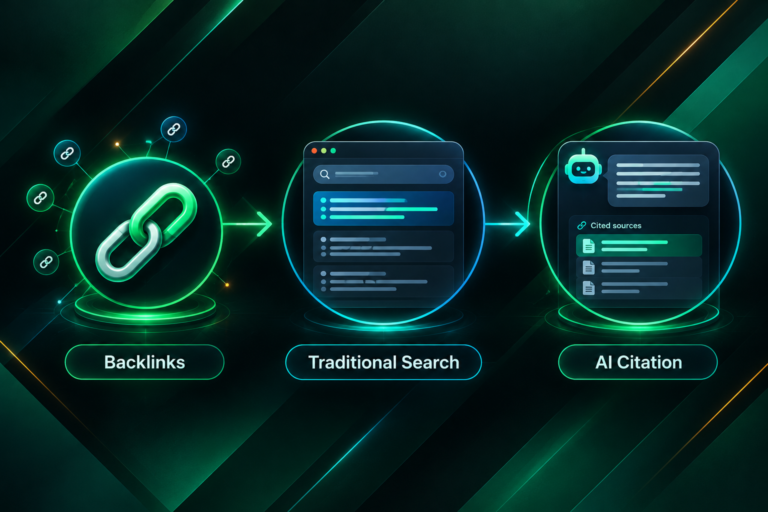
It is also worth noting that citations in the academic and clinical sense—references within published research—and backlinks in the SEO sense are related but not identical. A paper cited in a peer-reviewed journal may not produce a followed hyperlink that passes authority in the way SEO practitioners measure it. However, being cited in academic or clinical contexts often correlates with broader editorial recognition, which can lead to organic link acquisition from health news outlets, patient information sites, and professional associations.
Content Characteristics That Attract Citations
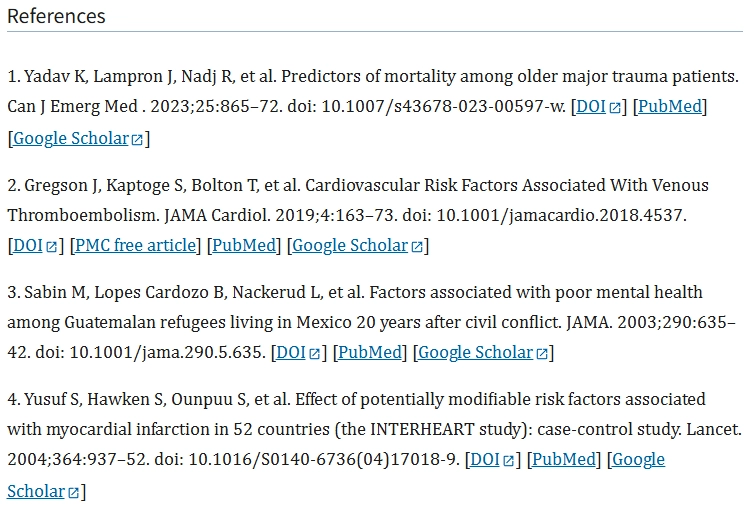
The most reliable foundation for earning citations to medical content is producing material that other publishers, clinicians, journalists, and researchers genuinely want to reference. This is not a vague aspiration; it translates into specific, observable content characteristics.
Original Data and Research
Original research, surveys, clinical data summaries, and proprietary datasets give other publishers a reason to link that no amount of outreach can manufacture. When a healthcare publisher commissions or publishes original findings—even modest ones, such as a survey of patient experiences or an analysis of publicly available health statistics—those findings become citable assets. Journalists covering health topics, bloggers writing patient guides, and academic authors looking for supporting references all need sources. A publisher that produces original data becomes one of those sources naturally over time.
Clinically Reviewed and Credentialed Content
Content reviewed by licensed clinicians, board-certified specialists, or credentialed researchers signals editorial rigour to both human readers and search quality evaluators. Bylines and review credits from named, verifiable professionals strengthen the authoritativeness dimension of E-E-A-T. Other publishers are more likely to cite content that visibly meets a professional standard, because doing so reflects well on their own editorial credibility. This is particularly relevant for patient-facing health information sites, medical news outlets, and condition-specific resource hubs.
Comprehensive Reference Resources
Glossaries of medical terminology, condition overviews, drug interaction summaries, clinical guideline summaries, and symptom checkers that are kept current and accurate tend to accumulate citations over time because they serve as convenient reference points. These resource pages work well as link targets in outreach campaigns because they offer clear, defensible value to the linking site’s audience. A well-maintained medical glossary, for example, can attract links from patient forums, health journalism outlets, and educational institutions without requiring aggressive outreach for every placement.
Timely Coverage of Emerging Health Topics
Health journalists and bloggers frequently need to link to background information when covering breaking or emerging health stories. Publishers who produce accurate, well-sourced explainers quickly after a significant clinical trial result, a public health announcement, or a regulatory decision can earn citations from news outlets that would not otherwise link to them. Speed combined with accuracy is the competitive advantage here; speed without accuracy is a reputational risk in a YMYL context.
Primary Citation Acquisition Methods for Healthcare Publishers
Beyond producing citable content, healthcare publishers and their SEO partners use several structured approaches to build citations. Each method has different suitability, timelines, and risk profiles in a medical context.
Manual Editorial Outreach
Manual outreach involves identifying websites that publish health-related content, assessing their editorial quality and audience relevance, and proposing a specific reason why linking to a particular piece of content would benefit their readers. In healthcare, this process requires careful publisher vetting. The linking site’s editorial standards, author credentials, and existing content quality all affect whether a citation from that site is likely to carry meaningful authority signal.
Effective outreach in this niche is typically personalised and specific. Generic outreach templates perform poorly with health editors, who receive a high volume of link requests and are protective of their editorial reputation. A well-constructed outreach message explains precisely which piece of content is being referenced, why it is relevant to the target site’s audience, and what the reader gains from following the citation. Response rates and placement timelines vary considerably depending on the target publisher’s size, editorial process, and relationship with the outreaching party.
Guest Posting on Health and Medical Publications
Guest posting—contributing original articles to third-party health publications in exchange for an author byline and contextual link—remains a widely used citation-building method for healthcare publishers. The quality of the placement depends heavily on the host publication’s editorial standards, its existing audience, and whether the contributed content genuinely meets those standards.
In healthcare, guest posting carries additional considerations. Many reputable medical and health publications have strict contributor guidelines, require author credentials, and may require clinical review of submitted content. This raises the barrier to entry but also means that a successfully placed guest article on a credible health publication carries more authority signal than a placement on a general-interest site. Publishers should be aware that Google’s guidance on link schemes includes paid guest posts where the primary purpose is link acquisition rather than editorial contribution; placements that are clearly commercial in nature may warrant a sponsored or nofollow attribute depending on the arrangement.
Digital PR and Health Journalism Outreach
Digital PR for healthcare publishers involves distributing newsworthy content—original research findings, expert commentary, clinical data, or responses to breaking health news—to journalists and editors at health media outlets. When a journalist uses that content in a published article, the resulting citation is typically editorial and uncompensated, which aligns with the type of link that search engines treat as a genuine authority signal.
This approach requires investment in genuinely newsworthy content and relationships with health journalists. It is not a reliable short-term tactic; a single digital PR campaign may produce several citations or none, depending on the news cycle, the relevance of the story, and the quality of the pitch. Over time, publishers who consistently produce credible, timely health content and maintain journalist relationships tend to accumulate editorial citations that would be difficult to replicate through outreach alone.
Resource Page and Broken Link Building
Many health-related websites—patient advocacy organisations, university health departments, government agencies, and professional associations—maintain curated resource pages that link to useful external content. Identifying these pages and proposing a relevant, high-quality resource as an addition is a legitimate and relatively low-risk citation-building method. Similarly, broken link building involves finding links on health resource pages that point to content that no longer exists and suggesting a replacement from the publisher’s own site.
Both approaches require careful research and personalised outreach, and success rates vary. However, citations earned through resource page inclusion tend to come from editorially credible sources, which is particularly valuable in a YMYL niche.
Unlinked Brand and Content Mentions
Healthcare publishers who have established some editorial presence may find that other sites reference their content or brand name without including a hyperlink. Identifying these unlinked mentions and reaching out to request that the reference be converted to a linked citation is a relatively efficient outreach method, because the editorial decision to reference the content has already been made. Tools such as Ahrefs, Semrush, and Google Alerts can help identify unlinked mentions, though the process still requires manual review and personalised outreach.
Publisher Quality Assessment in a Medical Context
Not all citations carry equal value, and in healthcare SEO, the quality of the linking publisher is particularly important. When assessing whether a potential linking site is worth pursuing, healthcare publishers and their link building partners typically consider several factors beyond standard domain-level metrics.
Third-party authority metrics such as Domain Rating (Ahrefs), Domain Authority (Moz), and Authority Score (Semrush) provide a useful starting point for assessing a site’s relative link equity, but these are proprietary estimates rather than Google-provided signals. A high metric score does not guarantee that a citation from that site will improve rankings, and a lower-metric site with a highly relevant, credentialed editorial team may carry more meaningful signal in a medical context than a high-metric general-interest site.
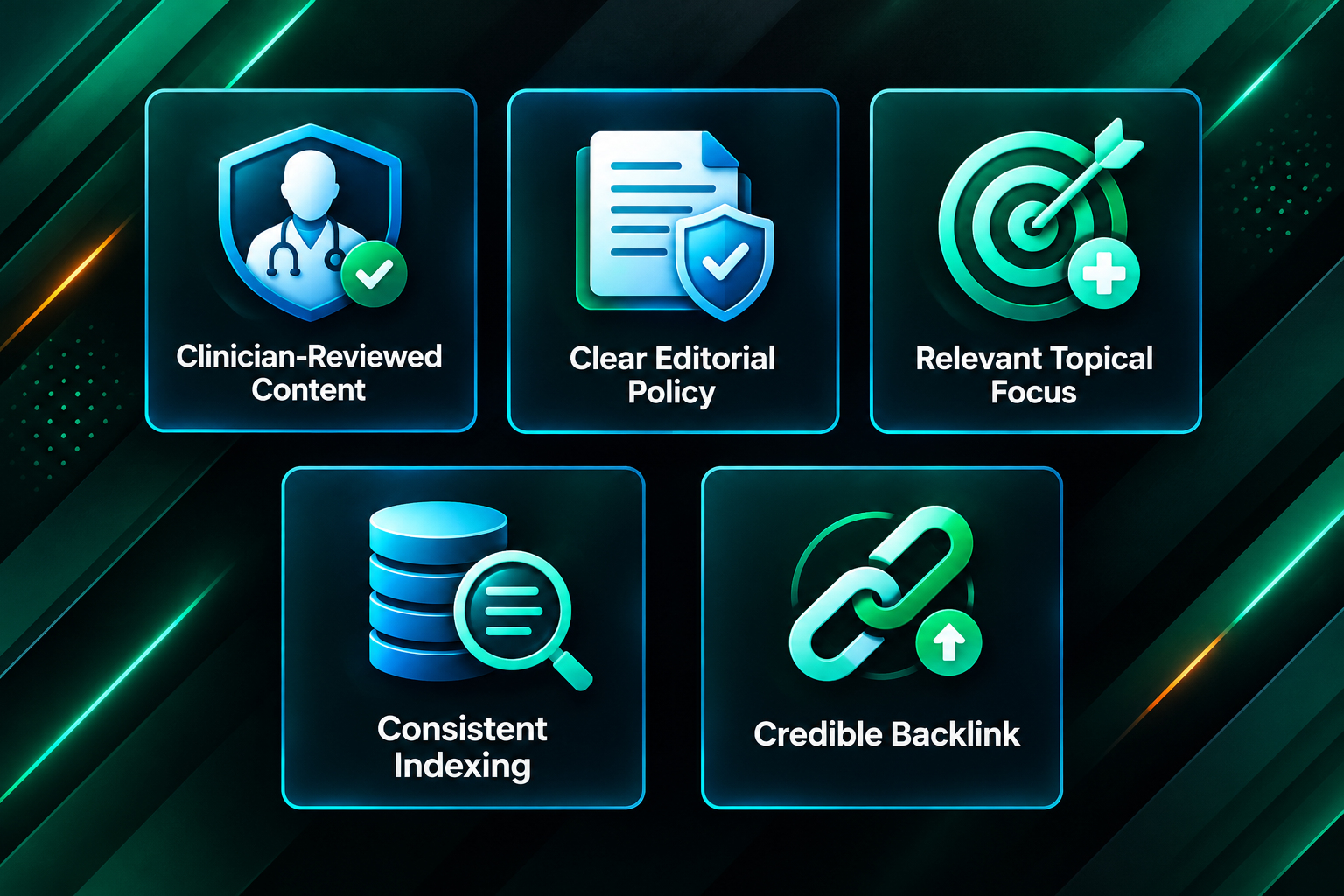
Additional quality indicators for health publisher assessment include: whether the site publishes content reviewed or authored by credentialed health professionals; whether it is indexed and regularly crawled; whether its existing content is accurate and up to date; whether it has a clear editorial policy; and whether it has a history of publishing genuine health information rather than thin or commercially motivated content. Sites that appear to exist primarily to sell links, that publish content across unrelated topics without editorial coherence, or that have a backlink profile dominated by low-quality sources are generally poor citation targets regardless of their metric scores.
Timelines, Realistic Outcomes, and Limitations
Healthcare publishers considering a structured citation-building campaign should approach timelines with realistic expectations. Several factors extend the typical timeline compared with less regulated industries.
Editorial review processes at credible health publications are often slower than at general-interest sites. Guest article submissions may take weeks to be reviewed, and acceptance is not guaranteed. Digital PR campaigns depend on news cycles that cannot be controlled. Resource page curators may take months to respond to outreach, if they respond at all. Even after a citation is published, search engines need to crawl and index the linking page before any authority signal is passed, and the measurable effect on rankings or organic traffic may take additional weeks or months to become apparent.
The relationship between acquiring citations and improving search rankings is also not linear or guaranteed. Rankings depend on many factors beyond backlinks, including content quality, technical SEO health, search intent alignment, internal linking structure, and the competitive landscape for specific queries. A healthcare publisher with strong content and good technical foundations may see measurable ranking improvements from a well-executed citation campaign; one with significant content gaps, indexing problems, or a history of low-quality link acquisition may need to address those issues first before citation building produces meaningful results.
Link retention is another practical consideration. Citations earned through genuine editorial outreach tend to be more stable than those acquired through lower-quality methods, but no placement is guaranteed to remain live indefinitely. Publishers and their link building partners should monitor existing citations periodically and have a plan for addressing lost links where appropriate.
Risks and Quality Control Considerations
The healthcare niche carries elevated risk for certain link acquisition approaches. Because medical content is subject to heightened search engine scrutiny, low-quality or manipulative link building practices are more likely to attract algorithmic or manual action than in less sensitive categories.
Private blog networks (PBNs), link exchanges, and mass-scale automated outreach campaigns are generally considered higher-risk approaches in any niche, but the consequences of a manual action or algorithmic penalty can be particularly damaging for a healthcare publisher whose organic visibility is central to its business model. Google’s spam policies explicitly address link schemes, including buying or selling links that pass PageRank, and the healthcare context does not provide immunity from these policies.
Quality control in a citation-building campaign for healthcare publishers should include: vetting every target publisher against the criteria described above; reviewing proposed anchor text for naturalness and relevance; ensuring that contributed content meets the editorial standards of the host publication; and monitoring the acquired citation profile over time for signs of quality degradation. Where a link building partner or agency is involved, publishers should ask specifically how publisher vetting is conducted, what happens if a placed citation is removed, and whether the campaign approach aligns with current search engine guidance on link acquisition.
Suitability and When to Seek Professional Support
Not every healthcare publisher is at the same stage of readiness for a structured citation-building campaign. Publishers with thin or outdated content, significant technical SEO issues, or a backlink profile that includes a high proportion of low-quality links may benefit more from addressing those foundational issues before investing heavily in new citation acquisition. A site-specific assessment is the appropriate starting point.
Publishers who may benefit from professional link building support include those with strong, clinically reviewed content that is not yet earning the citations it merits; those entering a competitive health topic area where established publishers have a significant authority advantage; and those who have the content assets but lack the outreach infrastructure, journalist relationships, or time to execute a consistent campaign internally.
When evaluating a link building partner for healthcare content, it is worth asking whether the provider has experience with YMYL niches, how they assess publisher quality in a medical context, what their process is for ensuring contributed content meets editorial standards, and how they handle placements that are removed or that do not meet agreed quality criteria. Transparency about methods and publisher selection is a reasonable expectation.
Frequently Asked Questions
What makes a citation valuable for a medical content page?
A citation is most valuable when it comes from an editorially credible, topically relevant source—such as a health journalism outlet, a professional association, a university health department, or a government agency—and when it is placed in a context that is genuinely relevant to the linked content. Domain-level authority metrics provide a useful starting point but are not the only quality indicator. The editorial standards, author credentials, and content relevance of the linking site all contribute to the signal value of the citation.
How long does it typically take to see results from a citation-building campaign for health content?
Timelines vary considerably depending on the publisher’s existing authority, content quality, competitive landscape, and the methods used. Editorial outreach and digital PR campaigns in healthcare often take longer than in less regulated industries due to slower editorial review processes. After a citation is published, search engines need to crawl and index the linking page, and measurable ranking or traffic changes may take additional weeks or months. A realistic planning horizon for a structured campaign is typically several months rather than weeks.
Is guest posting appropriate for healthcare publishers?
Guest posting can be an appropriate citation-building method for healthcare publishers when the host publication has genuine editorial standards, the contributed content meets those standards, and the placement is not primarily commercial in nature. Placements on credible health publications with credentialed editorial teams tend to carry more authority signal than placements on general-interest sites. Publishers should be aware of search engine guidance on paid links and ensure that any compensated arrangements are disclosed appropriately.
Can a healthcare publisher earn citations without a large outreach budget?
Yes, though the pace of citation acquisition is likely to be slower. Publishers who invest in producing genuinely original, clinically reviewed content—particularly original data, comprehensive reference resources, or timely expert commentary—can earn citations organically over time. Unlinked mention outreach and broken link building are also relatively resource-efficient methods that do not require large-scale outreach infrastructure. The trade-off is that organic citation accumulation is less predictable and harder to accelerate than a structured outreach campaign.
What are the main risks of low-quality link building for medical content?
Healthcare content is subject to heightened search engine scrutiny as a YMYL category. Low-quality or manipulative link acquisition—including PBNs, link exchanges, and paid placements that are not disclosed—carries elevated risk of algorithmic or manual action. A penalty affecting a healthcare publisher’s organic visibility can have significant business consequences, particularly for publishers whose audience depends on them for health information. Quality control and publisher vetting are therefore more important in this niche than in less sensitive categories.
Should citations always use followed links?
Not necessarily. Nofollow and sponsored link attributes are appropriate in certain contexts—for example, where a placement is compensated or where the host publication applies nofollow to all external links as a matter of editorial policy. While followed links are generally understood to pass more authority signal, a citation from a highly credible health publication with a nofollow attribute may still contribute to brand recognition, referral traffic, and the broader editorial reputation that influences organic citation acquisition over time.
Building a Sustainable Citation Strategy for Medical Content
Earning citations to medical content is a long-term investment rather than a short-term tactic. The publishers who accumulate the most valuable citation profiles over time tend to share a common approach: they treat content quality and editorial credibility as the foundation, and they use structured outreach to accelerate what would otherwise happen more slowly through organic recognition alone.
For healthcare publishers considering whether to manage citation building internally or work with a specialist link building partner, the key questions are whether the internal team has the outreach infrastructure, publisher relationships, and time to execute consistently, and whether the content assets are strong enough to support a credible outreach proposition. Where those conditions are not fully in place, a phased approach—strengthening content first, then building citations systematically—is likely to produce more durable results than pursuing volume without the editorial foundation to support it.
If you are evaluating citation-building options for a healthcare or medical content site, a conversation with an experienced link building provider who understands YMYL considerations and publisher quality assessment in this niche is a reasonable starting point for understanding what a realistic, well-structured campaign might involve for your specific situation.