Technical specification pages are among the most underutilised assets in a manufacturer’s SEO strategy. Engineers, procurement managers, system integrators, and technical writers regularly search for detailed product data, and when they find it, they often link to it from documentation, blogs, forums, and industry resources. Understanding how to position specification content so that it attracts those links — and how to actively pursue them through outreach — can meaningfully expand a manufacturer’s backlink profile over time, though results depend on content quality, industry context, and the competitive landscape.
Key Takeaways
- Technical specification pages can attract editorially earned backlinks when the content is genuinely useful, accurate, and accessible to the audiences who reference it.
- Passive link earning through content quality alone is slow; a combination of content optimisation and active outreach typically produces more consistent results.
- The most reliable link sources for specification content include industry publications, technical blogs, educational institutions, standards bodies, and professional communities.
- Link quality matters more than volume; a small number of contextually relevant, editorially placed links from authoritative industry domains is generally more valuable than a large number of low-relevance placements.
- Manufacturers with complex, niche, or proprietary technical content are often better positioned to earn backlinks than those with commodity product lines where specifications are widely replicated.
Why Technical Specification Pages Are Linkable Assets
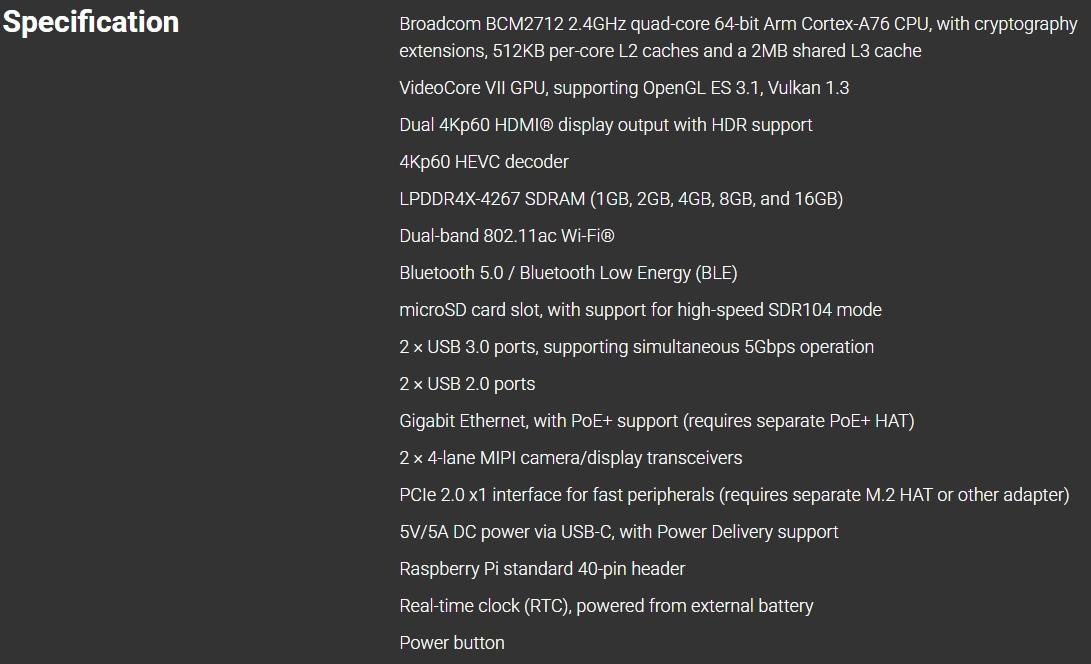
A linkable asset is any piece of content that provides enough standalone value that another website owner has a genuine reason to reference it. Technical specification pages meet this definition when they contain original data, precise measurements, material properties, compliance certifications, performance curves, or compatibility information that is not easily found elsewhere. Engineers and technical buyers frequently need to cite a source when recommending a product in a report, forum post, or procurement document, and a well-structured specification page gives them a credible, stable URL to reference.
The key distinction is between a specification page that simply lists product attributes in a table and one that provides context, comparison data, application guidance, or downloadable technical documentation. The latter is far more likely to attract inbound links because it serves a broader research need rather than functioning purely as a sales page. Manufacturers who invest in making their specification content genuinely informative — rather than treating it as a conversion page alone — create a stronger foundation for link acquisition.
It is worth noting that not every specification page will attract links regardless of quality. Commodity products with widely available specifications, or pages in highly competitive categories where larger brands dominate, may require more active outreach effort to generate placements. A realistic assessment of the content’s uniqueness and the competitive environment should inform how much resource is allocated to each page.
Content Preparation Before Outreach Begins
Attempting to build links to a specification page before the content is ready to earn them is a common mistake. Publishers and technical audiences who receive outreach requests will evaluate the destination page before agreeing to link, and a thin or poorly structured page will reduce acceptance rates significantly. Before any outreach campaign begins, the specification content should meet a reasonable editorial standard.
Useful preparation steps include ensuring that specifications are presented in a clear, scannable format with labelled units, tolerance ranges, and test conditions where relevant. Including downloadable datasheets in PDF format adds value for engineers who need offline access. Where applicable, compliance certifications such as ISO, CE, UL, or RoHS should be clearly stated and linked to supporting documentation. Application notes or worked examples that show how the specification translates into real-world performance can significantly increase the page’s reference value.
From a technical SEO perspective, the page should be indexable, load quickly on both desktop and mobile, and use structured data where appropriate to help search engines understand the content type. Internal linking from related product pages, category pages, and supporting blog content helps distribute authority across the site and signals topical relevance. These factors do not directly cause external sites to link, but they affect how the page performs once links are acquired and how search engines interpret the signals those links carry.
Outreach-Based Link Acquisition for Specification Pages
Manual outreach is the most direct method for acquiring backlinks to technical specification pages. The process involves identifying websites that already publish content relevant to the product category, assessing their editorial quality and audience relevance, and contacting the appropriate editor or content manager with a specific, well-reasoned link suggestion.
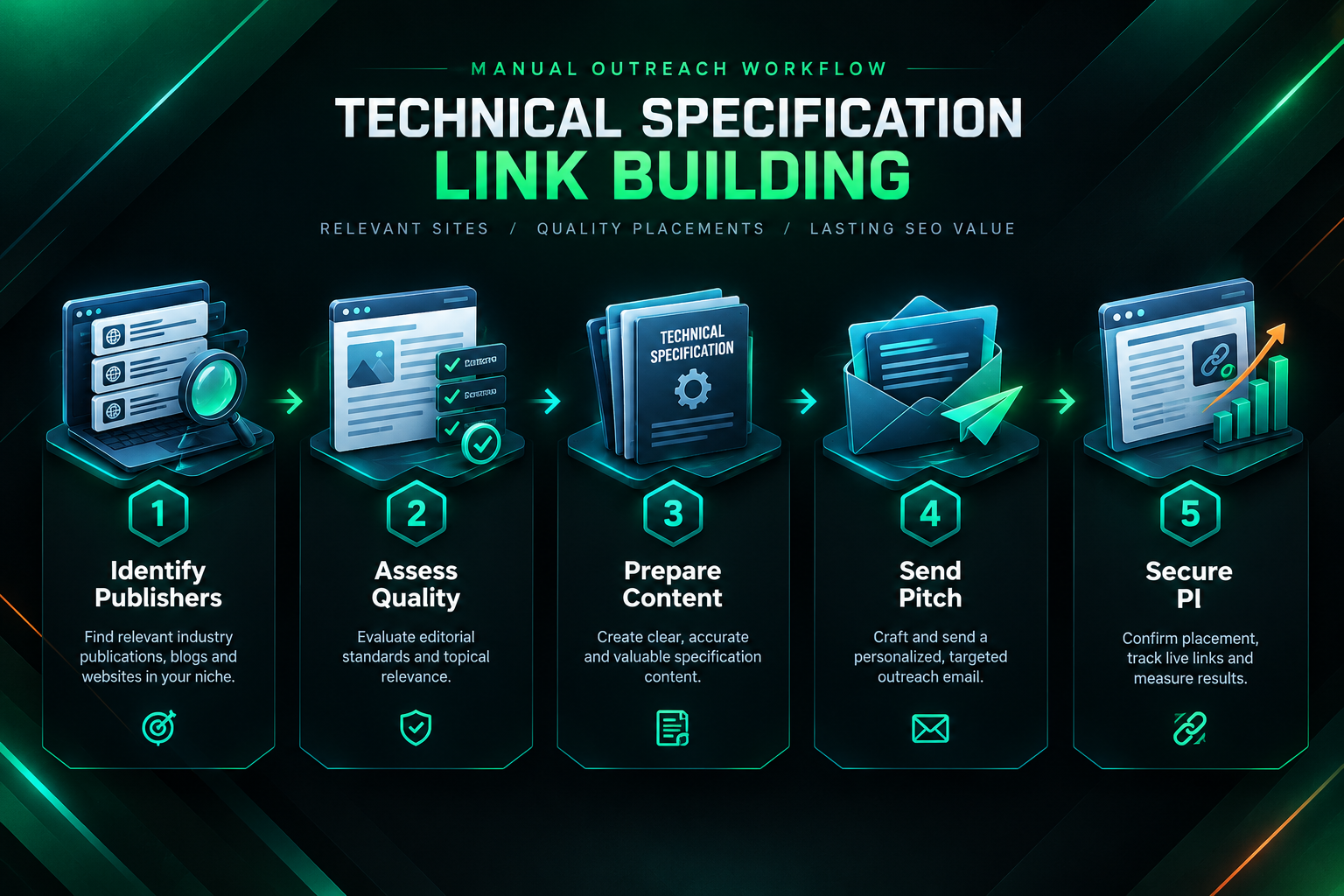
Effective outreach for technical content differs from generic guest post outreach in several ways. The pitch should be grounded in the technical relevance of the specification rather than a general content exchange offer. For example, if a technical blog has published an article comparing motor drive specifications and the manufacturer’s product fits the comparison criteria, the outreach message can point to a specific gap or inaccuracy that the specification page addresses. This approach is more likely to result in an editorial link than a generic request.
Target websites for this type of outreach typically include:
- Industry trade publications and engineering media that publish product roundups, technology comparisons, or application guides
- Technical blogs maintained by engineers, system integrators, or consultants who regularly reference product data
- Professional association websites that maintain resource libraries or recommended supplier lists
- Educational institutions with engineering or applied science programmes that reference real-world product data in course materials
- Standards and certification bodies that publish guidance documents referencing compliant products
- Procurement and specification platforms where buyers compare technical products
Outreach volume and acceptance rates vary considerably by industry. Niche industrial sectors with a smaller number of specialist publications may yield fewer but higher-relevance placements. Consumer-facing technical categories with larger content ecosystems may offer more outreach targets but also face more competition for editorial attention. Realistic expectations should account for the fact that many outreach contacts will not respond, and that editorial link placements typically require multiple follow-ups and a clear value proposition.
Guest Posting and Contributed Technical Content
Guest posting — contributing original articles to third-party publications in exchange for an author credit and contextual link — is a well-established link acquisition method that can work effectively for manufacturers when the contributed content is genuinely technical and relevant to the publisher’s audience. A contributed article explaining how to select the right specification parameters for a particular application, for example, can naturally reference the manufacturer’s own specification page as a supporting resource.
The distinction between a high-quality guest post and a thinly veiled promotional article matters both editorially and from a search-engine policy perspective. Google’s published guidance on link schemes identifies links that are primarily intended to manipulate PageRank as a policy concern, and this includes some forms of paid guest posting where the link is the primary purpose rather than the content. Manufacturers pursuing guest posting as a link acquisition method should focus on publications where the contributed content provides genuine value to readers, and where the link to the specification page is contextually appropriate rather than forced.
Assessing publisher quality before contributing content is important. Metrics such as Ahrefs’ Domain Rating, Moz’s Domain Authority, or Majestic’s Trust Flow can provide a rough indication of a domain’s link profile strength, but these are third-party proprietary metrics and should not be treated as Google-provided quality signals or guarantees of ranking benefit. Editorial standards, audience relevance, topical alignment, and the quality of existing content on the site are equally important considerations that metrics alone do not capture.
Digital PR and Data-Driven Specification Content
Digital PR involves creating content specifically designed to attract media coverage and editorial links at scale. For manufacturers, this can take the form of original research, industry surveys, benchmark studies, or proprietary test data that journalists and technical editors find genuinely newsworthy. When a manufacturer publishes a credible comparison of performance specifications across a product category — including their own products alongside competitors — the resulting content can attract links from trade media, industry analysts, and technical communities without requiring individual outreach to each potential linker.
This approach requires a higher upfront investment in content production and, where applicable, in the testing or research methodology that underpins the data. The link acquisition potential is also less predictable than direct outreach because it depends on whether the content resonates with editorial audiences. However, when it works, digital PR can generate a cluster of high-quality links from authoritative domains within a relatively short period, and the content itself may continue to attract links organically over time as it becomes a cited reference in the industry.
Manufacturers with proprietary testing facilities, access to unique performance data, or the ability to commission independent research are particularly well positioned to use this approach. The credibility of the underlying data is critical; fabricated or selectively presented specifications will damage both the link acquisition effort and the manufacturer’s reputation if identified by technical audiences.
Unlinked Brand and Specification Mentions
A practical and often overlooked link acquisition method for manufacturers is identifying existing online mentions of their products or specifications that do not currently include a link. Technical forums, engineering communities, procurement databases, and industry articles frequently reference specific products by name or model number without linking to the manufacturer’s website. These unlinked mentions represent warm outreach opportunities because the publisher has already demonstrated familiarity with the product.
Tools such as Google Search Console, Ahrefs Content Explorer, or Semrush’s Brand Monitoring feature can help identify where a manufacturer’s product names, model numbers, or specification values appear online. Once identified, a brief, polite outreach message explaining that a link to the official specification page would help readers access accurate and up-to-date data is often well received, particularly in technical communities where accuracy is valued.
The conversion rate for unlinked mention outreach tends to be higher than cold outreach to sites with no prior connection to the brand, though it still requires consistent effort and realistic expectations. Not every mention owner will respond or agree to add a link, and some platforms do not allow external links in their content format.
Resource Page and Industry Directory Link Building
Many industry associations, trade bodies, engineering portals, and educational institutions maintain resource pages or supplier directories that link to manufacturer websites and specification libraries. Securing a listing on a relevant, well-maintained resource page can provide a durable, contextually relevant backlink that also drives qualified referral traffic from users actively researching products in the category.
The process typically involves identifying resource pages through targeted search queries, assessing whether the page is actively maintained and editorially selective, and submitting a request that explains why the manufacturer’s specification content would be a useful addition for the page’s audience. Generic directory submissions to low-quality aggregator sites are unlikely to provide meaningful SEO benefit and may carry reputational risk if the directory is associated with low-quality or manipulative link patterns.
Resource page link building is generally a lower-volume but higher-quality acquisition method. The number of genuinely relevant, editorially maintained resource pages in any given industrial niche is limited, so this approach works best as one component of a broader link acquisition strategy rather than a standalone campaign.
Technical Community Engagement and Forum Links
Engineering forums, professional community platforms, and technical Q&A sites such as Stack Exchange’s engineering communities or industry-specific discussion boards can be sources of referral traffic and, in some cases, followed or unfollowed links to specification pages. When a manufacturer’s technical team or content contributors participate genuinely in these communities — answering questions, clarifying specifications, or providing application guidance — links to relevant specification pages can arise naturally as supporting references.
It is important to distinguish between genuine community participation and link dropping, which involves posting links without providing substantive value. Most technical communities have moderation policies that identify and remove promotional link posting, and repeated violations can result in account bans and reputational damage. The SEO value of links from forum platforms also varies; many use nofollow or ugc link attributes, which means they do not pass PageRank in the same way as editorially placed followed links. However, referral traffic from engaged technical audiences can have independent business value, and genuine community presence can lead to editorial coverage and link opportunities from community members who publish their own content.
Assessing Link Quality for Specification Page Campaigns
Not all backlinks provide equal benefit, and a link acquisition strategy focused on specification pages should prioritise quality over volume. The most relevant quality indicators for this type of campaign include topical relevance of the linking domain to the manufacturer’s industry, the editorial context of the link placement within the referring page, the authority and trustworthiness of the referring domain as indicated by third-party metrics and manual review, and whether the link is placed editorially within relevant content rather than in a footer, sidebar, or low-context list.
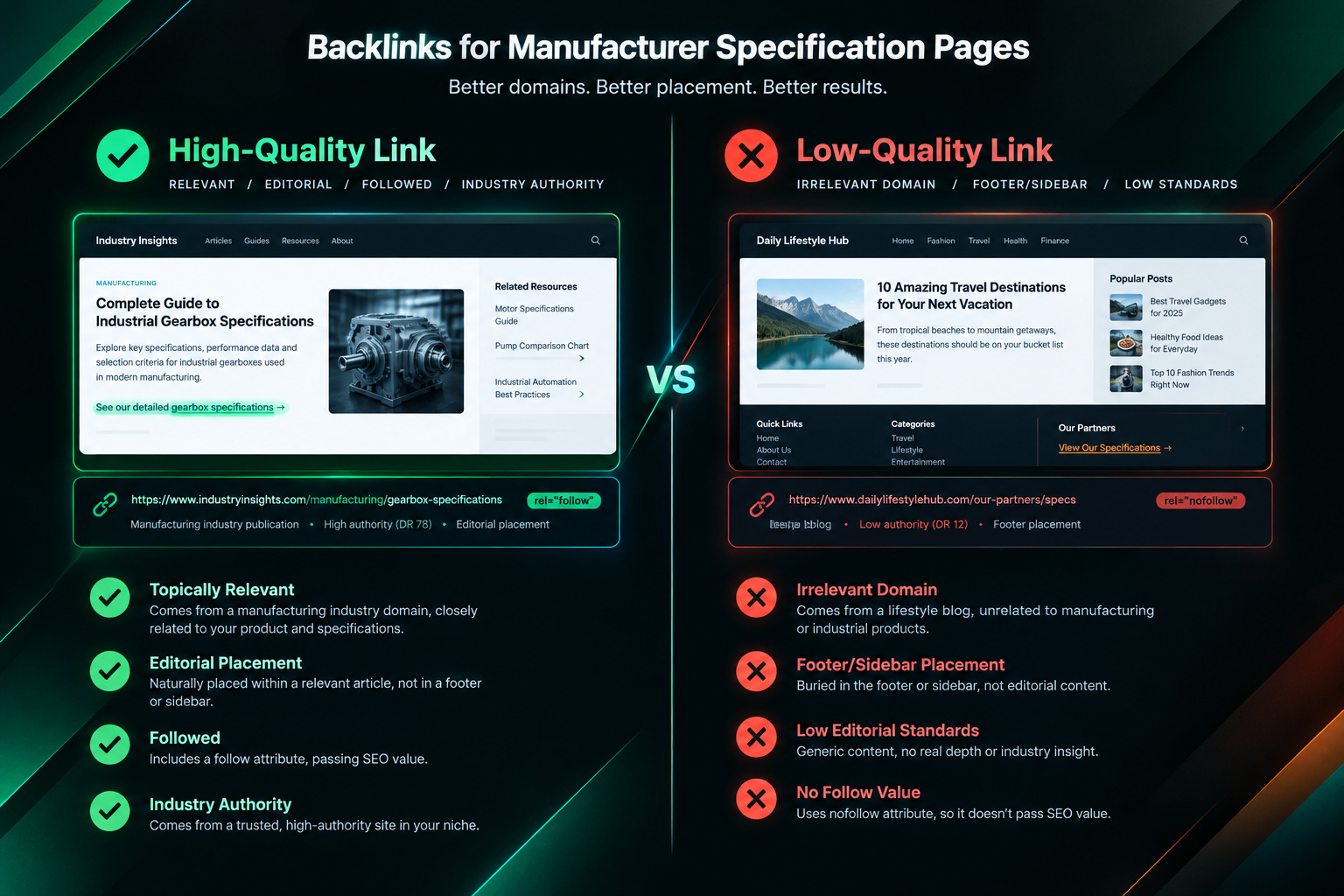
Link attributes also matter. A followed contextual link within the body of a relevant technical article is generally considered more valuable than a nofollow link in a comment or a sponsored link in a paid placement. Google’s documentation distinguishes between editorial links, which it treats as genuine votes of confidence, and paid or sponsored links, which should be disclosed using the rel=”sponsored” attribute. Manufacturers working with link building service providers should understand how placements are categorised and disclosed to avoid potential policy compliance issues.
Third-party metrics such as Domain Rating from Ahrefs, Domain Authority from Moz, or Trust Flow from Majestic can help filter outreach targets and assess the relative strength of a referring domain’s link profile, but they are not Google metrics and should not be used as the sole quality criterion. A domain with a high authority score but no topical relevance to the manufacturer’s industry is likely to provide less benefit than a lower-metric domain that is a recognised authority within the specific technical field.
Timelines, Realistic Expectations, and Limitations
Link acquisition campaigns for technical specification pages typically operate on longer timelines than campaigns targeting general content pages, for several reasons. Technical publishers often have longer editorial review cycles, specification content may require verification before a publisher agrees to reference it, and the pool of genuinely relevant outreach targets in niche industrial sectors is smaller than in broader content categories.
From outreach initiation to published placement, timelines commonly range from several weeks to several months depending on the publisher’s editorial process and the responsiveness of contacts. Once a link is published, search engines need to crawl and index the referring page before the link signal is processed, which can add additional time before any measurable effect on rankings or organic traffic becomes apparent. The relationship between individual link acquisitions and ranking changes is not linear or guaranteed; rankings are influenced by many factors including content quality, technical SEO, user engagement signals, and the overall competitive environment.
Manufacturers should also be aware that link building alone is unlikely to resolve ranking problems caused by thin content, crawling or indexing issues, search-intent mismatches, or strong competition from established industry authorities. A site-specific SEO assessment is advisable before committing significant resource to a link acquisition campaign, to ensure that the specification pages being targeted are technically sound and that link building is the appropriate priority given the site’s current condition.
When to Consider Outsourcing Specification Page Link Building
Managing a link acquisition campaign for technical specification pages requires consistent outreach effort, publisher relationship management, content contribution, and quality assessment — tasks that can be difficult to sustain alongside core manufacturing and marketing responsibilities. Outsourcing to a specialist link building provider can make sense when the internal team lacks the outreach infrastructure, publisher relationships, or time to run campaigns consistently.
When evaluating a provider, manufacturers should look for demonstrated experience in technical or industrial niches, a transparent process for publisher assessment and placement approval, clear reporting on placement quality and link attributes, and an honest account of realistic timelines and expected outcomes. Providers who guarantee specific ranking improvements or fixed numbers of links within short timeframes without understanding the site’s current condition and competitive environment should be approached with caution.
White-label link building arrangements may also be relevant for SEO agencies managing manufacturer clients, allowing the agency to offer specification page link acquisition as part of a broader SEO programme without building an in-house outreach team. In either case, the quality of the underlying outreach process and publisher network matters more than the volume of links promised.
Frequently Asked Questions
Do technical specification pages naturally attract backlinks without outreach?
Some specification pages do attract organic links when they contain genuinely unique data that technical audiences cannot find elsewhere. However, passive link earning is slow and unpredictable. Most manufacturers benefit from combining content quality improvements with active outreach to relevant publishers and communities.
Are links from technical forums and Q&A sites valuable for SEO?
Links from technical forums often carry nofollow or ugc attributes, which means they do not pass PageRank in the same way as editorially placed followed links. Their primary value is referral traffic from engaged technical audiences and the potential for community members to reference the specification page in their own published content.
How many backlinks does a specification page need to rank well?
There is no universal link count that guarantees a ranking outcome. The number of relevant, quality backlinks needed depends on the competitiveness of the target keyword, the authority of competing pages, the quality of the specification content itself, and other on-page and technical SEO factors. A site-specific assessment is more useful than a fixed target.
Can manufacturers use guest posting to build links to specification pages?
Yes, contributed technical articles that naturally reference a specification page as a supporting resource can be an effective approach. The contributed content should provide genuine value to the publisher’s audience, and the link should be contextually appropriate. Paid placements where the link is the primary purpose should be disclosed with the rel=”sponsored” attribute in line with Google’s published guidance.
How long does it take to see results from a specification page link building campaign?
From outreach to published placement typically takes several weeks to several months. After publication, additional time is needed for search engines to crawl and process the link. Measurable changes in rankings or organic traffic may take several months to become apparent, and outcomes depend on many factors beyond the links themselves.
What makes a specification page a strong candidate for link building?
Pages with original data, proprietary performance measurements, compliance certifications, downloadable documentation, or application guidance that is not widely replicated elsewhere are generally stronger candidates. Commodity specification pages where the data is available from many sources are harder to build links to without significant content differentiation.
Deciding Whether Specification Page Link Building Is Right for Your Situation
Earning backlinks to technical specification pages is a realistic goal for manufacturers whose content provides genuine reference value to technical audiences, but it requires a clear-eyed assessment of the content’s current quality, the competitive environment, and the resource commitment involved. The strategies most likely to produce durable, high-quality results — manual outreach to relevant publishers, contributed technical content, digital PR based on original data, and unlinked mention recovery — all require consistent effort over time rather than a one-off campaign.
Manufacturers with complex, proprietary, or niche technical content are generally better positioned to earn editorial links than those with commodity product lines. In either case, the specification content itself must be genuinely useful and well-structured before outreach begins, and the campaign should be assessed against realistic timelines rather than short-term ranking expectations.
If your team is considering a link acquisition campaign for specification pages and would benefit from specialist outreach support, discussing your site’s current backlink profile, content quality, and competitive position with an experienced link building provider is a sensible starting point before committing to a specific approach.