Switching link building agencies is a significant decision that affects your backlink profile, ongoing SEO momentum, and internal workload. Whether your current provider has underdelivered, your business goals have shifted, or you simply need a different approach, a poorly managed transition can create gaps in link acquisition, introduce low-quality placements, or leave your team without clear reporting for months. This guide explains how to approach the process methodically, what to audit before you leave, what to look for in a new provider, and what to realistically expect during and after the switch.
Key Takeaways
- Audit your existing backlink profile before ending any agency relationship so you have a clear baseline and can identify links worth preserving or disavowing.
- Understand your current contract terms, including notice periods, link replacement guarantees, and data ownership, before initiating a transition.
- A gap in active link building rarely causes immediate ranking drops, but sustained inactivity over several months can allow competitors to widen their authority advantage.
- Vetting a new agency thoroughly before signing reduces the risk of repeating the same problems that prompted the switch in the first place.
- Realistic timelines for a new campaign to show measurable SEO impact typically range from three to six months after placements begin, depending on the site, niche, and competition.
Why Businesses Switch Link Building Agencies
Understanding the most common reasons for switching helps you diagnose whether a change is genuinely necessary or whether the underlying issue could be resolved with better communication or revised campaign goals. The most frequent triggers include consistently low-quality placements on irrelevant or low-authority sites, a lack of transparent reporting, missed delivery timelines, anchor text strategies that feel misaligned with the site’s existing profile, and a mismatch between the agency’s specialisation and the client’s industry or business model. In some cases, businesses switch because their own goals have changed: a SaaS company scaling into enterprise markets, for example, may need a different outreach approach than the one that served them during early growth.
It is worth distinguishing between dissatisfaction caused by the agency’s performance and dissatisfaction caused by unrealistic expectations. Link building is a long-term investment. Organic ranking improvements typically take months to become measurable, and even high-quality placements on editorially relevant sites do not guarantee specific ranking positions. If your current agency has been transparent, delivered placements on reputable sites, and communicated clearly, the issue may be timeline expectations rather than service quality. If, however, reporting is opaque, placements are on sites with no clear editorial standards, or the agency cannot explain its outreach methodology, those are more substantive reasons to consider a change.
Auditing Your Current Backlink Profile Before You Leave
Before ending your current agency relationship, export a full backlink report using a tool such as Ahrefs, Semrush, or Majestic. This gives you a documented baseline of every referring domain, the pages those links point to, the link attributes (followed, nofollowed, sponsored), and the approximate date each link was first detected. This baseline matters for two reasons: it lets you assess the quality of what your current agency has delivered, and it gives your incoming provider the context they need to plan a coherent next campaign rather than duplicating existing placements or creating an unnatural link velocity pattern.
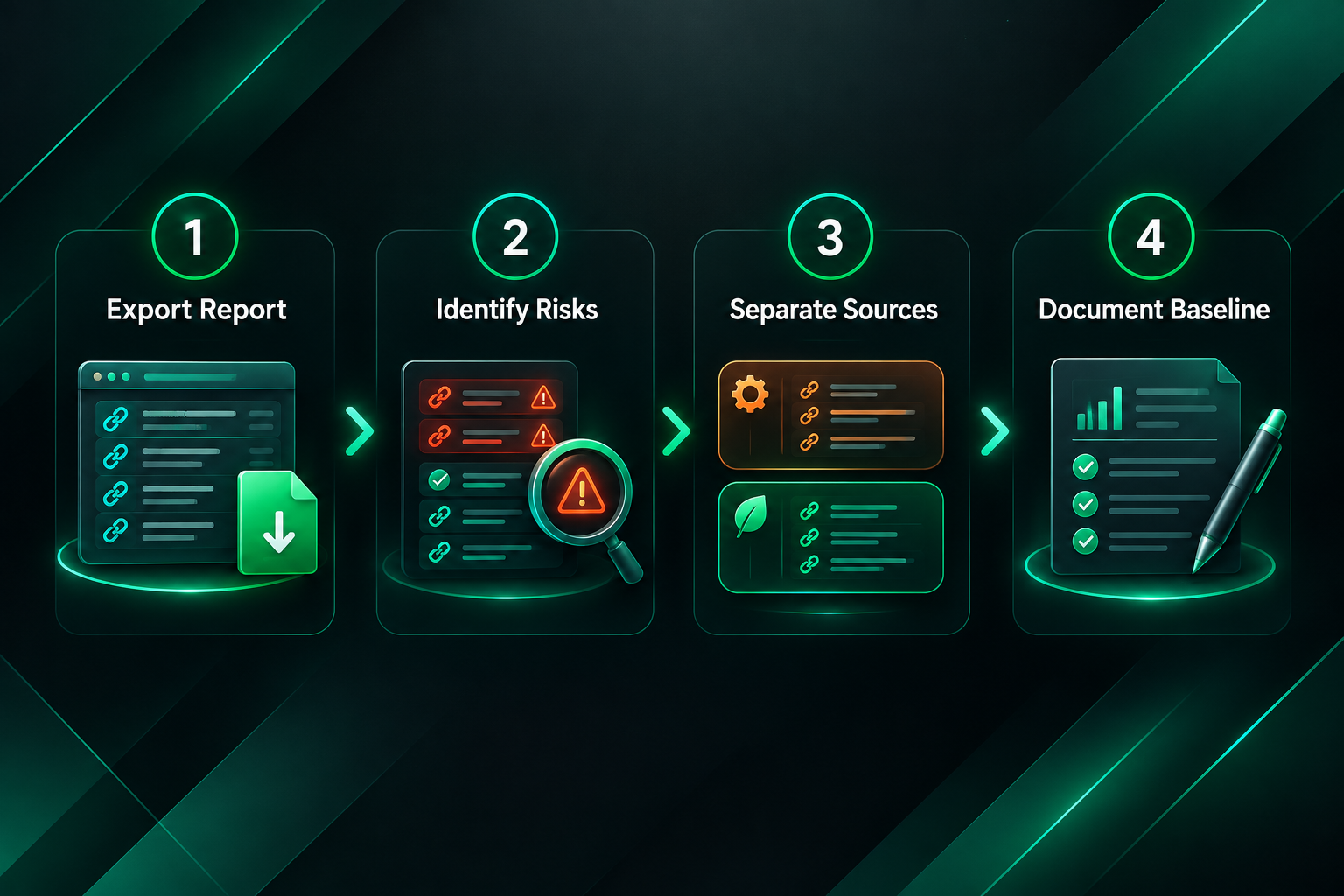
During this audit, look specifically for links that may carry risk. Signs of lower-quality placements include links from sites with no discernible organic traffic, sites that appear to exist primarily to host paid placements, exact-match anchor text used repeatedly across multiple placements, and links from sites in completely unrelated industries with no contextual connection to your content. If you identify a cluster of links that appear manipulative under Google’s spam policies, you may want to discuss a disavow strategy with your incoming provider before the new campaign begins. Disavowing links is not always necessary and should not be done speculatively, but having the audit completed means you can make an informed decision rather than inheriting an unknown risk.
Also confirm which links were built organically or through your own content efforts versus which were acquired through the agency. This distinction matters when evaluating the agency’s actual contribution and when briefing a new provider on what genuinely represents your site’s earned authority.
Reviewing Your Contract and Data Ownership
Before initiating any formal transition, review your existing service agreement carefully. Key clauses to check include the notice period required to terminate the contract, whether the agency offers link replacement guarantees if placements go offline, who owns the outreach data and publisher relationships developed during the campaign, and whether there are any exclusivity or non-compete provisions that could affect your ability to engage a new provider immediately.
Data ownership is a practical concern that is often overlooked. Some agencies maintain proprietary publisher networks and outreach lists that they do not share with clients on termination. This is not inherently unreasonable, but it means your incoming provider will need to build or use their own publisher relationships rather than continuing from where the previous agency left off. Ask your current agency to provide a full list of placements they secured, including the live URLs, target pages, and anchor text used. Most reputable providers will supply this as a matter of course; reluctance to share placement records is itself a signal worth noting.
If your current agency has access to your Google Search Console, Google Analytics, or any SEO platform accounts, revoke or transfer those permissions as part of the offboarding process. Ensure your incoming provider is granted appropriate access once the new relationship is formalised.
Managing the Gap Between Agencies
A period of reduced or paused link acquisition during a transition is common and does not automatically harm your rankings. Google’s ranking systems do not penalise a site for stopping link building; they respond to the cumulative quality and relevance of the existing backlink profile over time. However, if your competitors are actively building links in the same period, a sustained gap of several months can allow them to widen their domain authority advantage on contested keywords, particularly in competitive niches.
To minimise this risk, aim to have your new agency onboarded and ready to begin outreach before formally ending the previous relationship, where your contract allows. If an overlap is not possible, use the transition period productively: update or improve the content on your priority target pages, strengthen internal linking to those pages, and ensure your technical SEO foundation is sound. Link building is more effective when it points to pages with strong, relevant content and a clean technical structure, so this preparation work is not wasted time.
It is also worth noting that some links built by your previous agency may continue to be crawled and indexed during the transition, and their influence on your rankings does not disappear the moment the agency relationship ends. The backlink profile you have accumulated remains in place unless links are removed or disavowed.
What to Look for When Vetting a New Agency
The vetting process for a replacement agency should be more rigorous than the original selection, because you now have direct experience of what went wrong and a clearer picture of what your campaign actually needs. The following factors are worth assessing carefully.
Outreach Methodology and Publisher Quality
Ask the agency to explain how they identify and qualify publishers. A credible manual outreach provider should be able to describe their process for assessing a site’s topical relevance, organic traffic, editorial standards, and existing link profile before pitching a placement. Be cautious of agencies that rely primarily on domain rating (DR) or domain authority (DA) as their sole quality filter. These are third-party metrics calculated by Ahrefs and Moz respectively; they are useful reference points but do not directly measure a site’s value to your specific campaign or its compliance with search-engine guidelines. A site with a high DR but no genuine readership or editorial oversight may deliver less value than a lower-DR site with an engaged, relevant audience.
Transparency in Reporting
Ask to see a sample report from an existing client campaign (anonymised if necessary). A well-structured report should show the live placement URL, the target page the link points to, the anchor text used, the link attribute, and the referring domain’s key metrics. It should also provide context on how each placement fits the broader campaign strategy. Reporting that consists only of a list of URLs with DR scores is insufficient for making informed decisions about campaign direction.
Anchor Text Strategy
Ask how the agency approaches anchor text selection. A thoughtful provider will assess your existing anchor text distribution before recommending new placements and will avoid over-optimising toward exact-match commercial anchors, which can create an unnatural pattern that attracts scrutiny under Google’s link spam policies. There is no universally correct anchor text ratio, and any agency that prescribes a fixed formula without reviewing your specific profile should be treated with caution.
Realistic Timelines and Expectations
A reputable agency will not promise specific ranking positions or traffic increases as a result of link building. They should be able to explain what types of placements they typically secure, approximate delivery timelines, and the factors that influence how quickly SEO effects may become measurable. If an agency guarantees first-page rankings or promises a specific number of links per month without first understanding your site, niche, and competition, those are warning signs rather than selling points.
Specialisation and Fit
Consider whether the agency has relevant experience in your industry or business model. An agency with a strong track record in e-commerce link building may approach a SaaS or B2B campaign differently than one that has built campaigns specifically for software or professional services clients. Ask for examples of campaigns in comparable niches, and assess whether their publisher network includes sites your target audience actually reads.
Briefing Your New Agency Effectively
The quality of your initial brief directly affects how quickly a new agency can build an effective campaign. A thorough brief should include your existing backlink profile export, a list of priority target pages and the commercial or informational goals each page serves, your current keyword rankings for those pages, any previous anchor text patterns you want to continue or move away from, your target geography and language market, and any industries or site types you want to exclude from outreach. If you have identified potentially risky links during your audit, share that information so the new provider can factor it into their strategy.
Be clear about your business model and how organic search fits into your broader acquisition strategy. A link building campaign for a local service business has different goals than one for a SaaS platform targeting international enterprise buyers. The more context your new agency has, the better positioned they are to prioritise the right pages, pursue the right publishers, and frame placements in a way that serves your actual audience.
What to Expect During the First Three to Six Months
The early months of a new link building campaign are typically focused on strategy alignment, publisher identification, and outreach rather than immediate placements. Manual outreach campaigns involve pitching editors and site owners, negotiating placement terms, and waiting for content to be written, reviewed, and published. This process takes time, and the timeline varies considerably depending on the niche, the target publication tier, and the volume of outreach being conducted.
Once placements go live, search engines need to crawl and index the linking pages before any potential ranking influence can begin. This crawling and indexing delay is variable and depends on the authority and crawl frequency of the linking site. Even after indexing, ranking changes are rarely immediate. Most SEO practitioners observe that the measurable impact of a link building campaign, if it occurs, tends to become more visible over a period of three to six months after placements begin, though this varies significantly by site, keyword competitiveness, and the overall quality of the campaign.
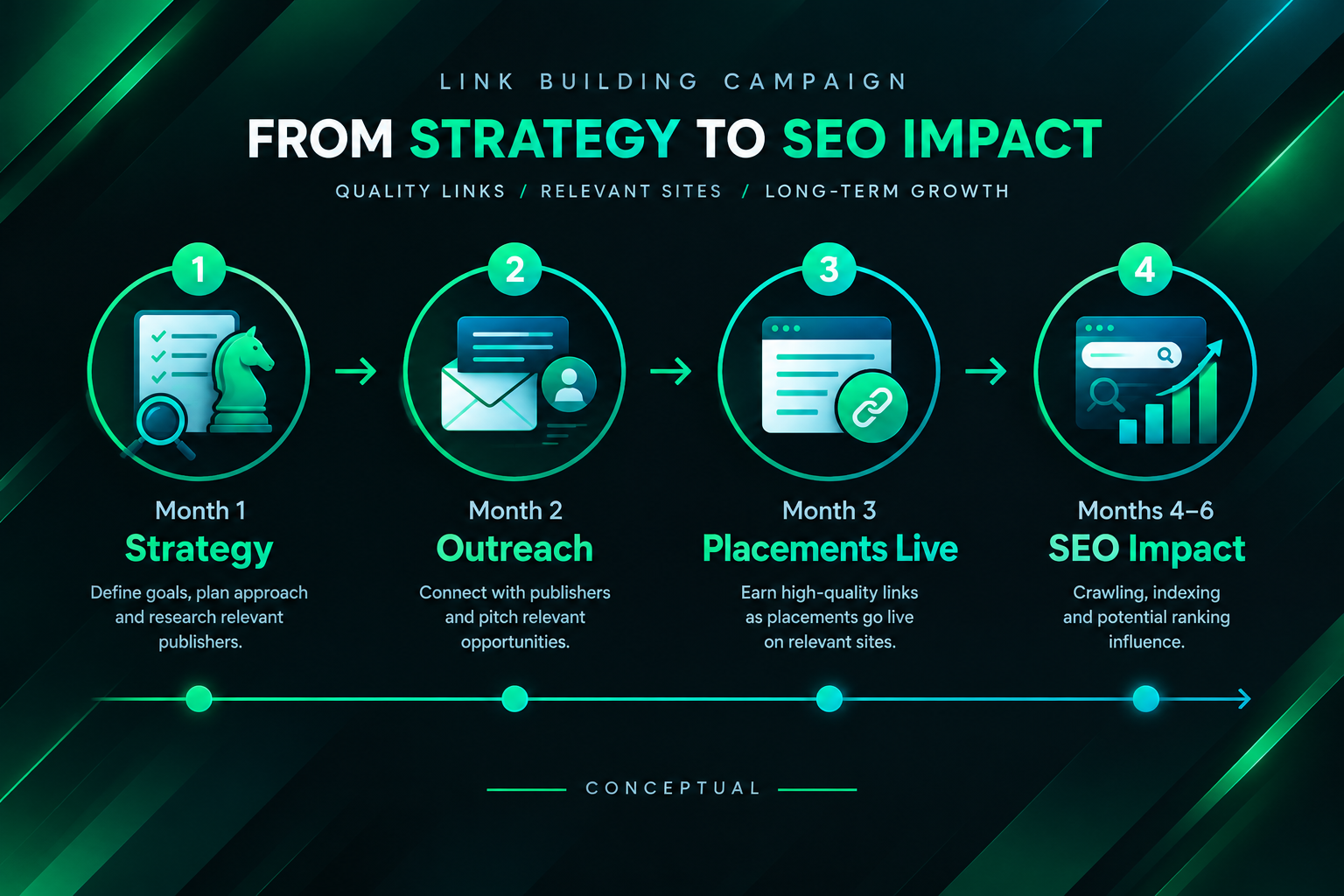
During this period, maintain realistic expectations and focus on the quality and relevance of placements rather than the speed of ranking movement. A smaller number of genuinely relevant, editorially placed links on sites with real audiences is generally more valuable than a high volume of placements on sites that exist primarily to host paid content.
Monitoring and Protecting Your Backlink Profile After the Switch
Once your new campaign is underway, establish a regular monitoring routine for your backlink profile. Tools such as Ahrefs, Semrush, and Google Search Console all provide referring domain data, though they differ in their crawl coverage and update frequency. Set up alerts for significant changes in referring domains, particularly unexpected losses of existing links, which can occur when publishers update or remove content.
Link loss is a normal part of any backlink profile over time. Pages are deleted, sites restructure their content, and publishers occasionally remove third-party links during site migrations. If your previous agency offered a link replacement guarantee, clarify whether that guarantee transfers or expires at the end of the relationship. Your new agency should have a clear policy on monitoring live placements and replacing links that go offline within a defined period after delivery.
If you identify a pattern of link loss that appears connected to the previous agency’s placements, investigate whether those links were on sites that have since been penalised, deindexed, or significantly restructured. In some cases, losing links from low-quality sites may have a neutral or even marginally positive effect on your profile, though this should not be assumed without reviewing the specific sites involved.
Frequently Asked Questions
Will switching agencies cause my rankings to drop?
A transition itself does not cause rankings to drop. Your existing backlink profile remains in place when you change providers. However, a sustained gap in link acquisition over several months may allow competitors to build an advantage in contested keyword areas. The risk depends on how competitive your niche is and how actively your competitors are building links during the same period.
How long should I give a new agency before evaluating results?
Most link building campaigns require at least three to six months of active placements before measurable SEO effects become visible, and even then, results depend on many factors beyond link building alone, including content quality, technical SEO, and competition. Evaluating a new agency after only four to six weeks is unlikely to give you a meaningful picture of campaign performance.
Should I disavow links built by my previous agency?
Not automatically. Disavowing links is a significant action that should be based on a careful audit rather than a precautionary response to changing agencies. If your audit identifies links that appear manipulative, are from deindexed sites, or are from sites with no genuine editorial content, discuss the specific cases with your incoming provider before taking action. Disavowing links that are neutral or beneficial can remove value from your profile unnecessarily.
Can I run two link building agencies simultaneously during the transition?
Running two agencies simultaneously is possible but requires careful coordination to avoid duplicate outreach to the same publishers, conflicting anchor text strategies, and inconsistent messaging. If you choose to overlap providers during a transition, ensure both agencies have access to the same target page list and backlink profile data, and establish clear communication about which publishers each agency is approaching.
What data should I take with me when I leave an agency?
At minimum, request a full list of all live placements including URLs, target pages, anchor text, and link attributes. Also export your backlink profile from any SEO tools connected to your account, and ensure you retain access to your own Google Search Console and analytics platforms. Confirm that any content created as part of the campaign and published on your own site remains your property.
How do I know if my new agency is actually doing manual outreach?
Ask for examples of outreach emails sent on your behalf, the names of publishers contacted, and the editorial criteria used to qualify each site. A genuine manual outreach provider should be able to show you the communication trail for at least some placements and explain why specific publishers were selected for your campaign. Agencies that cannot or will not share this level of detail may be using link marketplaces or automated tools rather than genuine editorial outreach.
Making the Switch Without Losing SEO Momentum
Switching link building agencies is manageable when approached with preparation rather than urgency. The most important steps are completing a thorough backlink audit before you leave, understanding your contract obligations, briefing your new provider with full campaign context, and setting realistic expectations for the time it takes a new campaign to show measurable results. Rushing the transition to escape a poor relationship can introduce new risks: an inadequately briefed agency may repeat the same strategic mistakes, or a hasty vetting process may result in selecting a provider with similar quality issues to the one you left.
If you are uncertain whether your current agency’s performance justifies a switch or whether your expectations need recalibrating, a third-party backlink audit or an independent SEO review can provide useful perspective before you make a final decision. The goal of any link building campaign is to build a backlink profile that supports your site’s long-term organic visibility, and that goal is best served by a deliberate, well-informed transition rather than a reactive one. If you are considering a new provider, discussing your existing profile, campaign history, and business goals in detail before committing to a new contract is a reasonable and worthwhile step.