

A well-constructed statistics page can become one of the most consistently linked assets on a website. Journalists, bloggers, researchers, and content teams regularly search for reliable data to cite, and a page that aggregates credible statistics on a specific topic gives them exactly what they need. This guide explains how to plan, build, and promote a statistics page with the goal of earning editorial backlinks over time, including the realistic effort involved and the factors that determine whether the approach is likely to work for your site.
Key Takeaways
- Statistics pages earn backlinks because they serve a genuine need: writers need citable data, and a well-organised page saves them research time.
- The quality and credibility of your data sources matter more than the number of statistics you include; citing primary sources is essential.
- Topic selection is the most important early decision — a niche with active content production and limited existing data resources gives you the best opportunity.
- Promotion through targeted outreach is usually necessary; most statistics pages do not attract links passively without some initial distribution effort.
- Results vary considerably depending on your niche, domain authority, content quality, and outreach execution, and the process typically takes several months to show measurable impact.
Why Statistics Pages Attract Backlinks
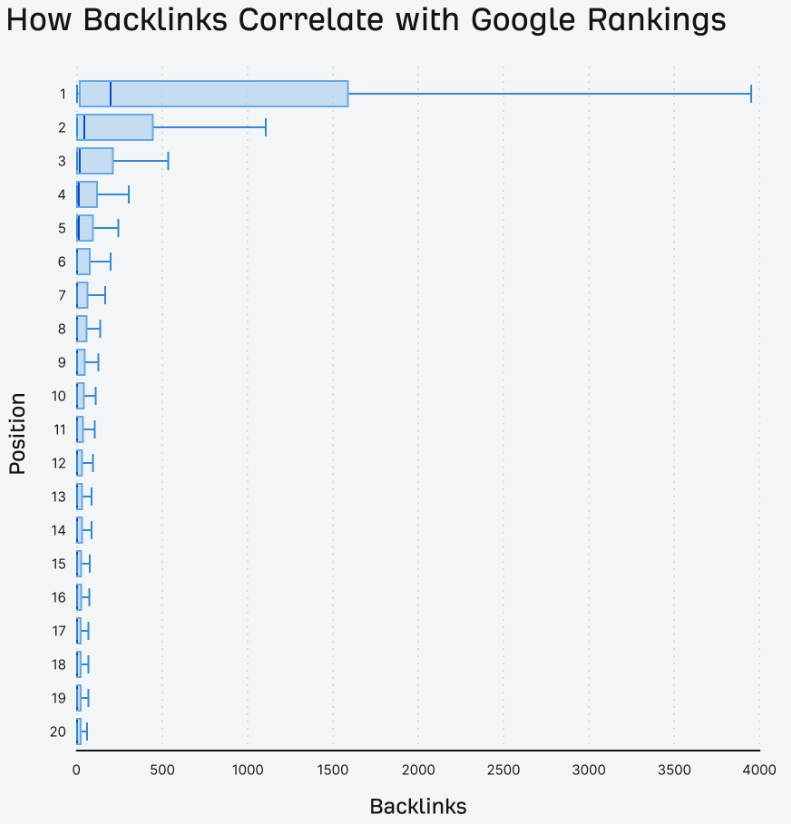
Statistics pages work as link magnets because they solve a specific problem for content creators. When a writer needs to support a claim with data, they search for a reliable source. If your page appears in those results and presents credible, well-organised statistics, the writer is likely to link to it rather than hunting through multiple primary sources. This is sometimes called a data aggregation asset — a page that collects and presents existing research in a format that is easier to cite than the original studies.
The backlink value of a statistics page comes from its utility. Unlike a blog post that argues a position or a product page that promotes a service, a statistics page is inherently reference material. That makes it suitable for editorial links — links placed because the content genuinely helps the reader, rather than because of a commercial arrangement. Editorial links are generally considered higher quality from an SEO perspective because they reflect genuine endorsement rather than a paid or reciprocal placement.
Statistics pages also tend to accumulate links over time rather than in a single burst. As new content is published in your niche, writers continue to discover and cite the page, which means a well-maintained statistics asset can generate backlinks for months or years after its initial publication. However, this passive accumulation is slower than many site owners expect, and active outreach is usually required to build initial momentum.
Choosing the Right Topic
Topic selection determines whether your statistics page has a realistic chance of attracting links. The ideal topic sits at the intersection of three conditions: there is active content production in the niche, writers in that niche regularly cite statistics, and existing statistics resources are either absent, outdated, or poorly organised.
To identify a suitable topic, start by examining what content is already being published in your industry. Look at high-traffic blog posts, news articles, and guides in your niche and note how often they cite external data. If writers in your space regularly link to statistics from third-party sources, that is a strong signal that a well-constructed statistics page could attract similar citations. Tools such as Ahrefs or Semrush can help you identify which existing statistics pages in your niche are already earning backlinks, which tells you both that demand exists and who your competition is.
Avoid topics where the data landscape is already dominated by authoritative institutions — for example, government health statistics or major financial indices. In those cases, writers will almost always cite the primary source directly rather than an aggregator. Instead, look for topics where the data is scattered across multiple industry reports, surveys, and studies, making aggregation genuinely useful. Niche B2B topics, emerging technology categories, and specific marketing or e-commerce sub-topics often present good opportunities.
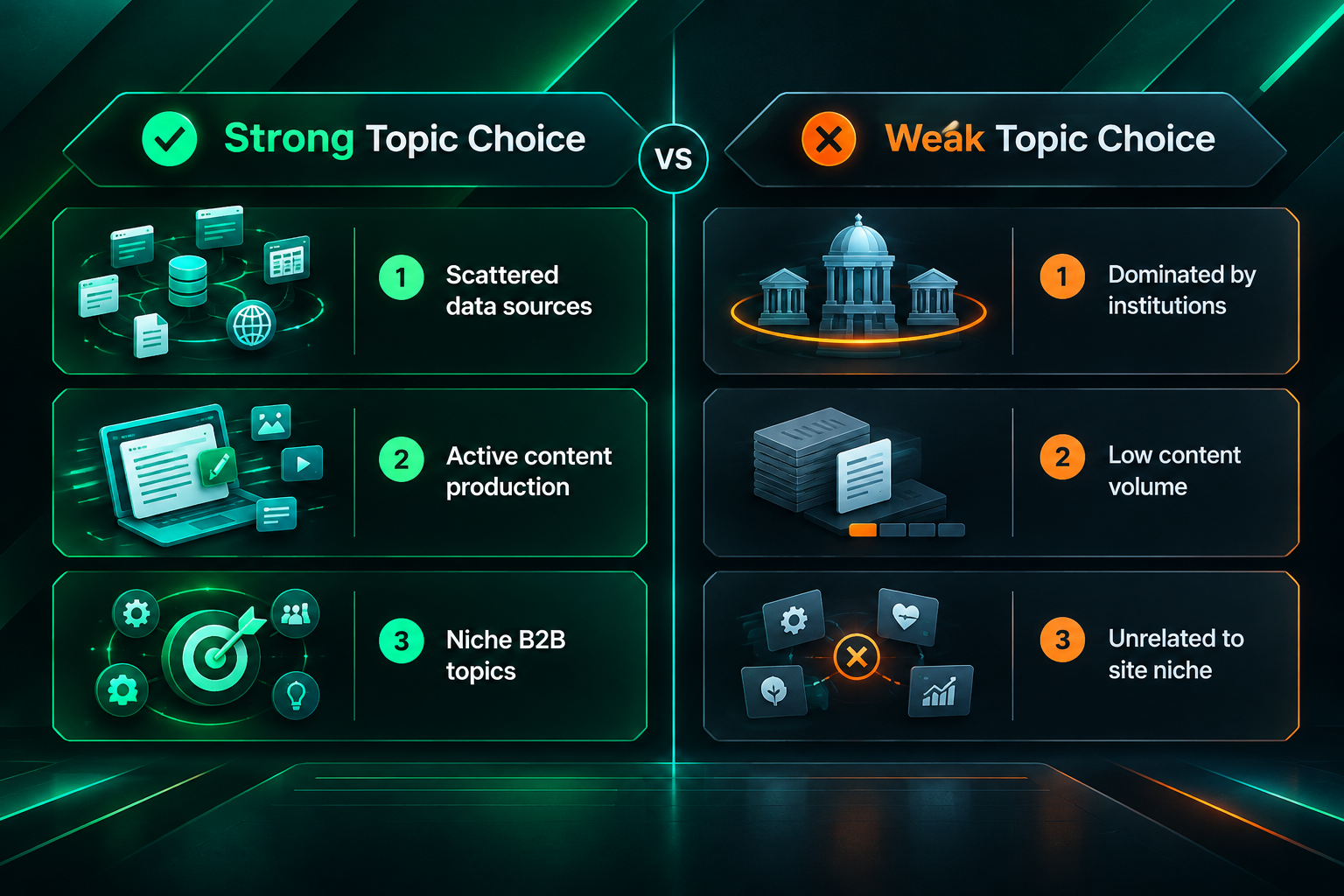
The topic should also be closely related to your website’s existing subject matter. A statistics page on a topic unrelated to your core content is less likely to attract links from the audiences you want to reach, and the backlinks it earns may have limited relevance to your target pages. Topical relevance between the linking page and the linked page is a meaningful factor in how search engines assess the value of a backlink.
Sourcing Credible Data
The credibility of your statistics page depends entirely on the quality of your sources. Writers who cite your page are implicitly trusting that the data you present is accurate and properly attributed. If your sources are unreliable, outdated, or misrepresented, the page will not earn the trust of careful writers, and it may attract criticism rather than links.
Prioritise primary sources wherever possible. These include original research studies, government datasets, industry association reports, peer-reviewed publications, and surveys conducted by recognised organisations. When you cite a statistic, link directly to the original source rather than to another aggregator that cited it. This practice, sometimes called source transparency, makes your page more trustworthy and easier for writers to verify.
Be precise about what each statistic actually measures. A common mistake on statistics pages is presenting data without adequate context — for example, citing a percentage without specifying the sample size, geography, time period, or methodology. Vague or decontextualised statistics are less useful to writers and more likely to be misused. Including brief contextual notes alongside each statistic improves the page’s credibility and usefulness.
Check publication dates carefully. Statistics pages that present outdated data as current are a significant credibility risk. Where possible, note the year each statistic was published and, if the data is from a recurring study, indicate whether more recent editions exist. Committing to regular updates — for example, refreshing the page annually — is one of the most effective ways to maintain its link-earning potential over time, because writers prefer to cite current data.
Structuring the Page for Usability and SEO
A statistics page needs to be easy to navigate, easy to cite, and easy for search engines to understand. These three requirements overlap considerably, but each has specific implications for how you structure the content.
Organise Statistics Into Logical Categories
Group related statistics under clear subheadings rather than presenting a single undifferentiated list. A writer looking for a specific type of data — for example, statistics about customer retention rather than customer acquisition — should be able to find the relevant section quickly. Logical categorisation also helps search engines understand the topical scope of the page, which can improve its visibility for a wider range of related queries.
Make Individual Statistics Easy to Copy and Cite
Each statistic should be presented as a standalone, self-contained fact. Include the source name, publication year, and a direct link to the original study or report immediately after each data point. Some statistics pages also include a formatted citation that writers can copy directly, which reduces friction and makes the page more useful. The easier you make it to cite your page correctly, the more likely writers are to do so.
Use a Clean, Scannable Format
Writers visiting a statistics page are usually looking for a specific data point, not reading the page from top to bottom. A clean layout with clear headings, concise data points, and minimal visual clutter makes the page easier to scan. Avoid embedding statistics inside long paragraphs of commentary. Where commentary is useful — for example, to explain the significance of a trend — keep it brief and separate from the data itself.
Optimise for Search Visibility
A statistics page that does not appear in search results will not attract organic links. Target a primary keyword that reflects how writers search for data in your niche — typically a phrase such as “[topic] statistics”, “[topic] data”, or “[topic] facts and figures”. Include the keyword naturally in the page title, the opening paragraph, and the main heading. Use descriptive subheadings that reflect the categories of data on the page, as these may also rank for more specific queries. A well-structured page with clear headings and properly attributed data is also more likely to be featured in search engine results as a reference resource.
Building the Page: Practical Steps
Creating a statistics page that is genuinely useful requires more preparation than most content projects. The following sequence reflects the typical workflow for a page built with link acquisition as a primary goal.
-
- Define the topic and target audience. Identify the specific niche, the types of writers likely to cite the page, and the questions those writers are trying to answer with data.
- Audit existing resources. Search for competing statistics pages on the same topic. Assess their quality, recency, and the number of backlinks they have earned. Identify gaps — categories of data they do not cover, outdated statistics they have not refreshed, or sources they have missed.
- Collect and verify sources. Gather statistics from primary sources. Record the source name, URL, publication date, and relevant methodology notes for each data point. Discard statistics that cannot be traced to a credible primary source.
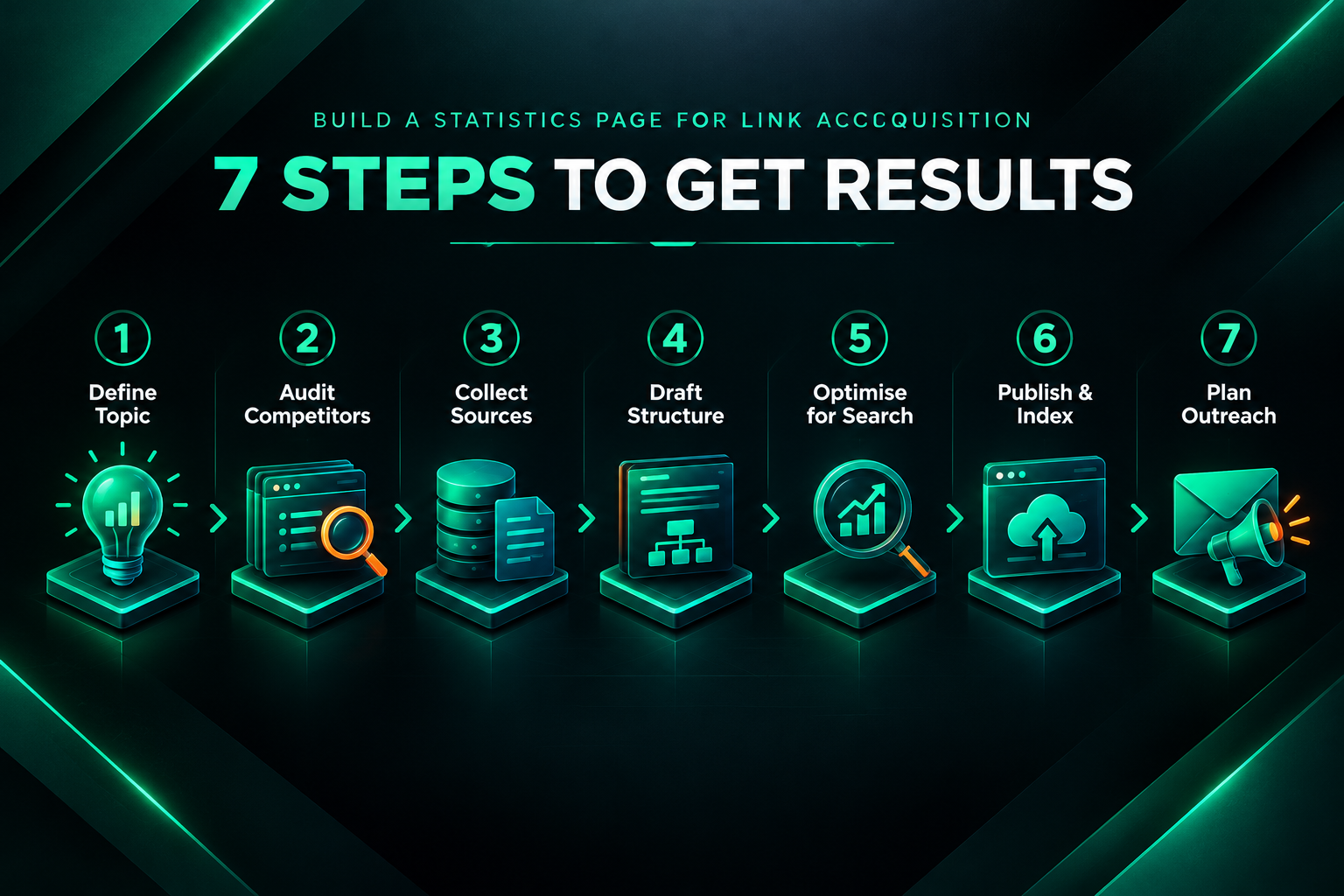
- Draft the page structure. Organise the statistics into logical categories. Write brief contextual notes where they add genuine value. Format each statistic for easy citation.
- Optimise for search. Apply on-page SEO best practices: a clear title tag, a descriptive meta description, logical heading hierarchy, and internal links from relevant pages on your site.
- Publish and index. Publish the page and submit it for indexing via Google Search Console. Add internal links from relevant existing pages to help search engines discover and contextualise the new content.
- Plan outreach. Identify writers, publications, and websites that have recently published content citing statistics in your niche. These are your primary outreach targets.
Promoting the Page Through Outreach
Most statistics pages do not accumulate backlinks without active promotion, particularly in the early months after publication. Outreach is the process of contacting writers, editors, and site owners who are likely to find the page useful and encouraging them to link to it.
The most effective outreach targets are writers who have already cited statistics on your topic. If a journalist published an article that cited a statistic from a competitor’s page, they have demonstrated both that they write about the topic and that they are willing to cite external data. Reaching out to suggest your page as an additional or updated resource is a natural and non-intrusive approach. Tools such as Ahrefs allow you to identify which pages are linking to competing statistics resources, giving you a targeted list of potential outreach contacts.
Outreach messages for statistics pages should be brief and specific. Explain what the page covers, why it may be useful to the recipient’s audience, and — where relevant — note that it includes more recent or more comprehensive data than existing resources. Avoid generic outreach templates that do not reference the recipient’s specific content. Personalised outreach consistently produces better response rates than mass-distributed messages.
Beyond direct outreach, consider distributing the page through relevant industry newsletters, communities, and social channels where your target audience is active. A statistics page shared in a relevant professional community can generate organic links from writers who discover it through those channels rather than through search. Digital PR — pitching the page’s most newsworthy statistics to journalists — is another distribution method that can generate high-authority links from news publications, though it requires a different skill set and is not always appropriate for every niche or data set.
Maintaining the Page Over Time
A statistics page that is not updated will gradually lose its link-earning potential. As the data ages, writers become less likely to cite it, and some may actively replace existing citations with links to more current resources. Regular maintenance is therefore not optional if you want the page to continue generating backlinks.
Set a schedule for reviewing and updating the page — annually is a reasonable minimum for most topics, and more frequently for fast-moving industries. When you update the page, note the update date prominently so that writers can see the data is current. If a statistic has been superseded by newer research, replace it and update the source citation. If new categories of data have become available since the page was first published, add them.
Each time you make a significant update, consider a second round of outreach to writers who have previously cited the page or who have published relevant content since the last update. Informing existing citers that the page has been refreshed can prompt them to update their citations and may encourage additional links from new contacts who were not reached in the original outreach campaign.
Realistic Expectations and Limitations
Statistics pages can be effective link acquisition assets, but the results vary considerably depending on the niche, the quality of the page, the strength of the outreach effort, and the existing authority of the domain. It is important to approach this strategy with realistic expectations.
Building a statistics page that earns a meaningful number of backlinks typically takes several months. The page needs time to be indexed and to begin ranking for relevant queries, and outreach campaigns take time to execute and produce responses. Sites with limited existing domain authority may find that their statistics page ranks poorly initially, reducing its organic discoverability and making outreach the primary acquisition channel in the early stages.
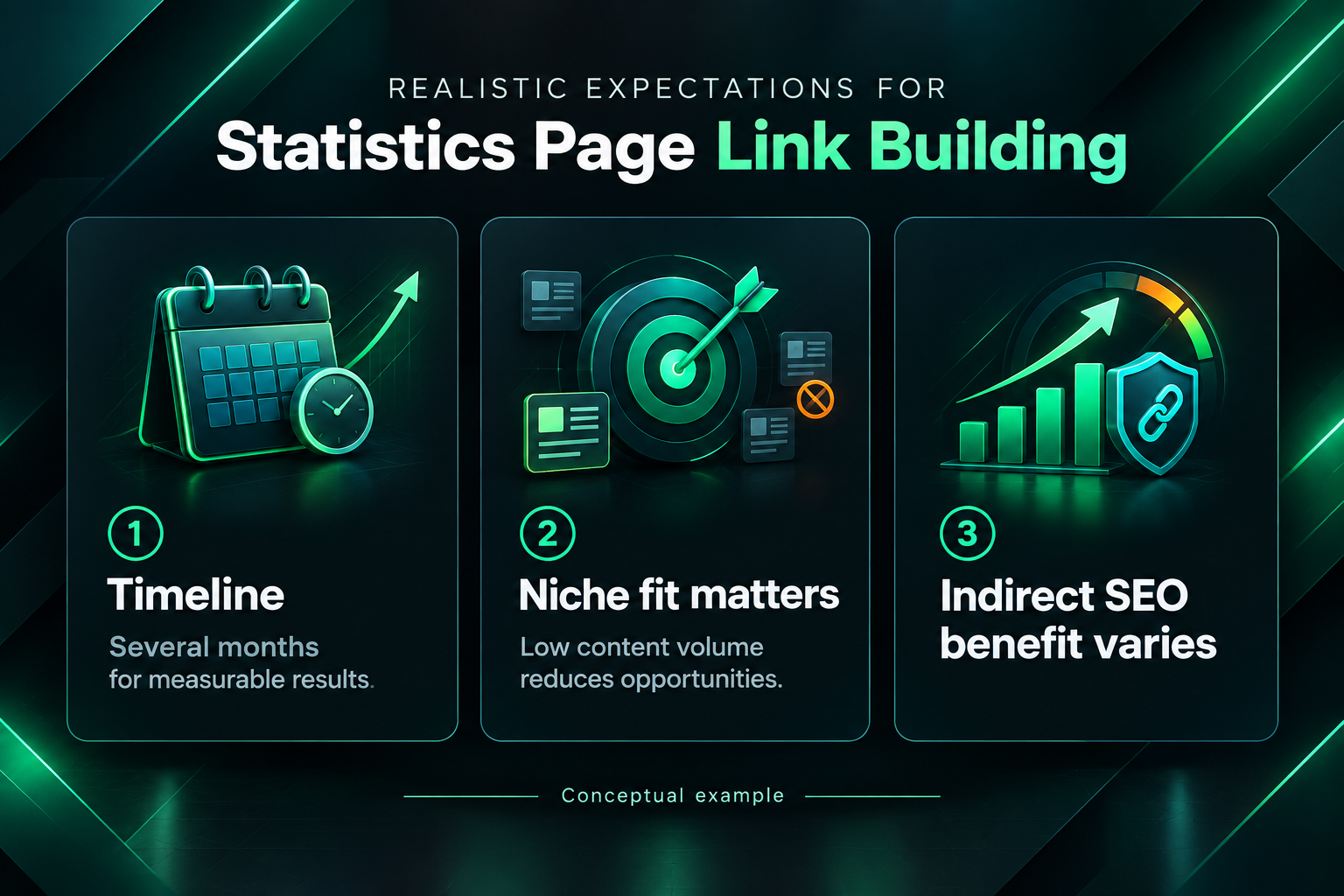
Not every niche is equally well-suited to this approach. Topics with low content production volume — where few writers are actively publishing articles that cite statistics — will generate fewer natural citation opportunities. Similarly, topics where the data landscape is dominated by a small number of highly authoritative institutions may be difficult to compete in, because writers will default to citing those institutions directly.
The relationship between backlinks earned by a statistics page and improvements in search rankings or organic traffic for other pages on your site is not direct or guaranteed. Backlinks to a statistics page may contribute to the overall authority of your domain, which can have indirect benefits for other pages, but the extent of this effect depends on many factors including your existing backlink profile, the authority of the linking domains, and the competitive landscape for your target keywords. Do not treat a statistics page as a guaranteed solution to ranking or traffic challenges — it is one component of a broader SEO strategy.
When to Consider Professional Support
Creating and promoting a statistics page requires a combination of research skills, content production, on-page SEO knowledge, and outreach capability. For teams with limited bandwidth or outreach experience, some or all of these tasks can be handled by a specialist link building service.
Professional outreach teams can identify relevant link prospects more efficiently, personalise outreach at scale, and manage follow-up sequences that most in-house teams do not have time to execute consistently. They can also advise on whether a statistics page is the most appropriate link acquisition asset for your specific goals, or whether an alternative approach — such as original research, a data-driven tool, or a comprehensive industry guide — might generate better results for your niche and target pages.
If you are considering outsourcing the outreach component of a statistics page campaign, look for a provider that uses manual, personalised outreach rather than automated mass-distribution, that can demonstrate experience with editorial link acquisition in your niche, and that is transparent about the types of sites they target and the link attributes they aim to secure. The quality of the placements matters considerably more than the volume.
Frequently Asked Questions
How many statistics should a statistics page include?
There is no fixed number that guarantees success. A page with 30 well-sourced, clearly presented statistics from credible primary sources will typically outperform a page with 150 poorly attributed or outdated data points. Focus on quality, accuracy, and organisation rather than volume. That said, a page that covers a topic comprehensively — including multiple relevant sub-categories — is generally more useful to writers and more likely to rank for a wider range of related queries.
Should I create original research or aggregate existing statistics?
Both approaches can attract backlinks, but they require different resources. Aggregating existing statistics is faster and less expensive, but the page competes with other aggregators. Original research — conducting your own survey or analysing a proprietary dataset — can generate links that aggregation pages cannot, because the data is exclusive and cannot be found elsewhere. Original research also tends to attract higher-authority links from news publications and industry media. If your budget and resources allow, a page that combines original data with curated third-party statistics can be particularly effective.
How long does it take for a statistics page to start earning backlinks?
The timeline varies. With active outreach, some links may be secured within the first few weeks of publication. Organic links from search discovery typically take longer — often three to six months or more, depending on how quickly the page ranks for relevant queries. Significant accumulation of backlinks from a statistics page is usually a medium-term outcome rather than an immediate one.
Do statistics pages need to be updated regularly?
Yes. Outdated statistics reduce the page’s credibility and usefulness, which reduces its link-earning potential over time. Writers prefer to cite current data, and some will actively replace citations to outdated pages with links to more recent resources. Annual updates are a reasonable minimum; more frequent updates may be appropriate for fast-moving topics.
Can a statistics page help pages other than itself rank better?
Backlinks to a statistics page may contribute to the overall authority of your domain, which can have indirect benefits for other pages. However, the relationship between domain-level authority signals and individual page rankings is complex and depends on many factors. A statistics page is not a reliable mechanism for directly improving the rankings of unrelated pages, and it should not be treated as a substitute for building links directly to your target pages where that is the primary goal.
What makes a statistics page fail to attract links?
Common reasons include: poor topic selection in a niche with low content production; reliance on secondary or unverifiable sources; outdated data; a disorganised or difficult-to-navigate format; insufficient outreach; and low domain authority that prevents the page from ranking in search results. Addressing these factors during the planning stage significantly improves the likelihood of success.
Is a Statistics Page the Right Link Acquisition Asset for Your Site?
A statistics page can be a durable and cost-effective link acquisition asset when it is built on credible data, structured for usability, and promoted through targeted outreach. The approach works best for sites in niches where writers actively cite statistics, where existing data resources are limited or outdated, and where the team has the capacity to maintain the page over time. It is less likely to produce strong results in highly competitive data landscapes, in niches with low content production, or when the page is published without any outreach effort.
Before committing to this approach, assess whether a statistics page is the most appropriate asset for your specific link acquisition goals. In some cases, original research, a data-driven tool, or a comprehensive reference guide may generate stronger results. In others, a statistics page may complement an existing link building campaign by providing a linkable asset that supports outreach to editorial publishers.
If you are unsure whether a statistics page is the right fit for your site, or if you need support with the outreach component of a campaign, speaking with a specialist link building team can help you assess your options and allocate your resources effectively.


