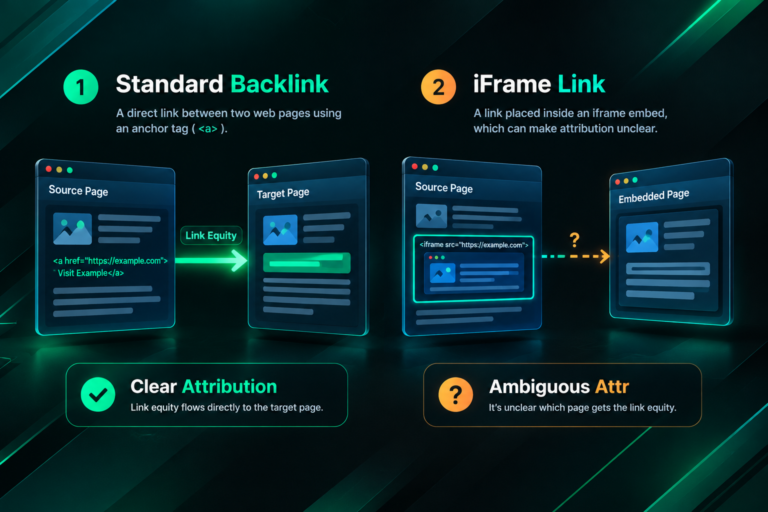
A niche edit is one of the most established methods used in modern link building because it places a backlink inside an existing, relevant page instead of publishing an entirely new article. As search competition grows, managed campaigns increasingly combine niche edits in SEO, guest post placements, and editorial backlinks to create a balanced SEO strategy that improves visibility while maintaining a natural backlink profile.
Professional agencies rarely rely on a single acquisition method. Instead, they evaluate the target website, the competitive landscape, and ranking objectives before deciding whether a link insertion, a guest article, or an editorial placement will deliver the greatest SEO value. This approach helps distribute authority across important landing pages while controlling anchor text diversity, link velocity, and publisher quality.
This guide explains how niche edit campaigns work, how they compare with guest posting, which situations benefit most from this link building tactic, and the best practices agencies use to deliver sustainable results without increasing unnecessary SEO risk.
What Are Niche Edits
Niche edits are contextual backlinks added to existing published articles through manual publisher outreach. Unlike a guest post, which requires writing and publishing new content, a niche edit uses a page that is already live, indexed, and relevant to the destination page. This difference makes the strategy valuable for managed campaigns seeking efficient growth without sacrificing editorial quality.
According to long-standing industry research and agency experience, backlinks remain one of the strongest signals used by every major search engine when evaluating authority and topical trust. That is why experienced outreach teams assess much more than a single metric before requesting any placement. They review topical alignment, page performance, organic traffic, editorial standards, and the overall domain reputation before deciding whether to pursue a placement.
Definition of Niche Edits
A niche edit is the process of inserting a contextual backlink into existing content on a website after receiving approval from the publisher or site owner. The method is also known as a link insertion, curated links, or a contextual update because the backlink becomes part of an article that has already been published and indexed.
Unlike automated placement schemes, professional agencies secure opportunities through manual outreach, ensuring every contextual link fits naturally within the surrounding paragraph. A quality niche edit service evaluates whether the page remains relevant, receives consistent traffic, and maintains editorial integrity before requesting permission to add your link.
The objective is not simply to acquire another backlink. The goal is to strengthen authority through relevant editorial references that support the target page while preserving a natural reading experience.
How Niche Edits Work
A professionally managed niche edit campaign follows a structured workflow rather than purchasing random placements from public marketplaces. Every stage is designed to improve quality control, campaign consistency, and long-term SEO performance.
- Identify industry-relevant websites with strong editorial standards and verified traffic.
- Review each domain, page quality, indexing status, and backlink history.
- Conduct manual outreach to publishers or the site owner.
- Select an appropriate paragraph where the backlink improves reader value.
- Insert a contextual anchor naturally within the article.
- Verify indexing, monitor the placement, and report campaign performance.
This process reduces the likelihood of acquiring spammy placements while helping build backlinks that align with a sustainable link building strategy. Agencies also evaluate whether the page can pass link equity, support the intended keyword, and contribute meaningful authority to the selected destination.
Why Existing Pages Have SEO Value
One reason a niche edit continues to perform well is that the backlink appears on an already indexed page with established history. Search engines have often crawled these URLs multiple times, allowing accumulated signals such as trust, engagement, and historical performance to influence how backlink value is interpreted.
An established page may already possess inbound backlinks, stable organic traffic, and measurable authority. When a manual link insertion is added naturally, the placement can inherit existing link equity instead of waiting for a new page to gain visibility from scratch. Although no agency can guarantee faster ranking improvements, this characteristic often makes niche edits attractive for competitive campaigns.
The quality of the surrounding content remains equally important. Pages with strong editorial standards, topical relevance, and authentic audience engagement typically provide greater long-term value than pages created solely to sell links. Experienced link building agencies therefore prioritize trusted publisher relationships over volume, ensuring every contextual link placement contributes to a healthier backlink profile rather than creating signals that could trigger a penalty.
Differences Between Niche Edits and Guest Posts
Both niche edit placements and guest post backlinks are valuable components of a managed link building campaign, but they solve different SEO challenges. Rather than viewing one approach as universally better, experienced agencies evaluate campaign objectives, target pages, publisher availability, and budget before selecting the most appropriate acquisition method. In many competitive industries, guest posting and niche edits work together to create a balanced backlink profile that appears natural to every major search engine.
| Factor | Niche Edit | Guest Post |
|---|---|---|
| Content source | Existing published page | Newly written article |
| Publication speed | Usually faster | Usually longer |
| Content creation | Minimal updates | Full content creation required |
| Indexation | Often already indexed | Requires indexation after publishing |
| Best purpose | Strengthen existing assets | Expand topical authority |
| Typical workflow | Link insertion | New editorial publication |
Content Creation Requirements
A guest post requires research, writing, editing, publisher approval, and publication of new content before a backlink can be placed. This process offers greater editorial flexibility because agencies can shape the article around strategic topics while naturally incorporating the destination page.
A niche edit, by comparison, relies on existing content that already matches the campaign theme. Instead of producing another article, the outreach team identifies a suitable paragraph where a relevant link insertion improves the reader's experience. This approach reduces production time while maintaining editorial consistency.
For businesses comparing both strategies, our guide to guest posting vs niche edits explains how each method fits different SEO objectives and campaign stages.
Authority and Indexation
An important distinction is page maturity. A guest post begins its life as a completely new URL, meaning search engines must discover, crawl, and evaluate the article before its full SEO value develops.
A niche edit appears on an already indexed page that may already receive organic traffic, possess established domain authority, and attract natural backlinks. Because historical trust already exists, these pages can sometimes transfer authority more efficiently. The outcome still depends on the quality of the referring domain, editorial standards, topical relevance, and the strength of the surrounding content.
Cost, Speed, and Scalability
Campaign planning often comes down to operational efficiency. Although pricing varies across publishers, the overall workflow differs significantly.
- Guest post campaigns require writing, editing, publisher review, and publication.
- Niche edit campaigns eliminate much of the content creation process.
- Manual outreach remains essential for both acquisition methods.
- Campaign scaling depends on publisher relationships rather than automation.
- Transparent reporting helps evaluate long-term ROI instead of short-term placement volume.
When agencies manage hundreds of placements across multiple industries, operational efficiency becomes just as important as individual backlink quality. This is why many outsourced campaigns combine both acquisition models instead of relying exclusively on one.
Best Use Cases for Each Method
A guest post performs well when businesses need to establish topical authority, publish expert insights, or support a broader content marketing initiative. It is also useful when no suitable existing article is available on a publisher's website.
A niche edit becomes the stronger option when authoritative pages already discuss the topic and can naturally reference the target resource. Many agencies also use niche edits to strengthen commercial landing pages that do not require additional informational articles.
Rather than treating these approaches as competitors, managed campaigns combine niche edits and guest posting to diversify referring pages, publication dates, and backlink acquisition patterns. Businesses interested in scalable outreach often integrate both methods through an outsourced link insertion campaign designed around publisher relationships rather than one-off placements. Learn more about managed link insertion workflows in this guide to outsourced link insertions.
Benefits of Niche Edits for Managed SEO Campaigns

The primary benefits of niche edits come from combining efficiency with editorial relevance. Agencies managing long-term SEO services frequently include this acquisition method because it supports consistent growth without requiring every backlink to originate from a newly published article. When combined with guest post placements, digital PR, and other editorial strategies, niche edits help create a more balanced authority profile that supports sustainable ranking improvements.
Professional agencies evaluate every placement using measurable quality indicators instead of relying on inflated marketplace scores. Traffic patterns, topical alignment, publisher reputation, indexing status, and editorial review all contribute to the final decision. This quality-first approach protects campaigns from weak placements while maximizing long-term SEO value.
Faster Impact From Established Pages
A well-selected niche edit benefits from the credibility of an existing article that has already accumulated trust over time. Because the page has often earned backlinks, visibility, and consistent crawling, the added backlink may contribute value without waiting for a completely new publication to mature.
Industry experience consistently shows that aged editorial pages with stable performance often provide stronger long-term authority than newly published content with no established history. While results always depend on competition and overall site quality, existing authority makes this acquisition method attractive for managed campaigns.
Natural Link Placement
Editorial quality matters as much as the backlink itself. A successful niche edit blends naturally into the surrounding paragraph so readers perceive it as a useful reference rather than an artificial addition.
Key characteristics of a natural placement include:
- Strong topical relevance between both pages.
- A descriptive anchor text that fits the sentence naturally.
- Editorial context that improves reader understanding.
- Placement within the main article instead of sidebars or footers.
- Manual review before publishers add your link.
These practices reflect white-hat niche edits, where editorial value takes priority over link volume.
Efficient Budget Allocation
Producing every backlink through a guest post requires writers, editors, and publisher coordination. While that investment is often worthwhile, campaigns operating across dozens of commercial pages may benefit from a more flexible allocation of resources.
A niche edit reduces production costs because the article already exists. Agencies can therefore dedicate additional resources to publisher research, quality verification, relationship management, and advanced outreach. This balance enables larger campaigns to maintain consistent acquisition while preserving editorial standards instead of sacrificing quality for scale.
Flexible Anchor Text Distribution
Anchor diversity is a defining characteristic of healthy link building. Managed campaigns rarely repeat identical commercial phrases because excessive optimization may hurt your SEO and create unnatural patterns.
Instead, agencies develop structured distribution plans that combine branded, topical, partial-match, and natural anchor text variations across guest post, editorial, and niche edit placements. This measured approach strengthens authority while supporting a resilient backlink profile capable of adapting to future algorithm changes.
For a deeper explanation of balanced anchor planning, see this resource on anchor text strategy for managed link building campaigns.
When Managed Campaign Should Use Niche Edits
A managed campaign should use a niche edit when the objective is to strengthen existing assets with authoritative, contextual references rather than relying exclusively on newly published articles. Experienced agencies treat niche edits in SEO as one component of a broader link building strategy that also includes guest post placements, editorial backlinks, digital PR, and other trusted acquisition methods. This balanced approach supports sustainable growth while maintaining a natural backlink profile across different publishers and content types.
Before launching outreach, agencies evaluate the competitive landscape, the strength of the target domain, current rankings, and the quality of existing backlinks. These insights determine where opportunities for niche edits exist and whether another acquisition method would deliver greater long-term value.
Building Authority for Competitive Keywords
Commercial pages targeting competitive search terms often require consistent authority growth over many months. A carefully selected niche edit placed on an authoritative, relevant page can strengthen those URLs by passing trust through contextual editorial references.
Rather than chasing large numbers of backlinks, professional agencies prioritize placements that reinforce topical expertise and align with the overall SEO strategy. This measured link building tactic supports gradual ranking improvements while reducing the risk of unnatural acquisition patterns.
Supporting Existing Content
Many businesses already have valuable landing pages, buying guides, blog articles, and resource hubs that deserve additional authority instead of replacement. A niche edit backlink allows agencies to reinforce these assets without publishing duplicate material.
Common pages supported through managed campaigns include:
- Commercial landing pages.
- Educational blog articles.
- Industry resource hubs.
- Product category pages.
- Evergreen buying guides.
- Service pages targeting qualified search intent.
This approach allows agencies to strengthen a target page that already performs well while continuing to improve overall visibility through carefully planned outreach.
Diversifying Link Profile
Search engines evaluate patterns rather than isolated backlinks. Campaigns that acquire only one type of backlink may appear less natural than those built through multiple editorial sources.
An effective acquisition strategy often combines:
- Guest post placements.
- Editorial mentions.
- Niche edit links.
- Digital PR campaigns.
- Broken link building.
- Resource page link building.
- Carefully earned brand mentions.
Diversification improves the overall link profile while reducing dependence on a single acquisition model. Agencies managing enterprise campaigns rarely build links using only one technique because each method contributes different strengths.
Accelerating Ongoing Campaigns
Long-term campaigns require consistent acquisition to maintain authority growth. Producing every backlink through extensive content creation can slow publication schedules, particularly in competitive industries.
A niche edit enables agencies to maintain campaign momentum by leveraging relevant editorial pages that already exist. Because publishers do not always require a completely new article, placements can often be secured more efficiently without compromising quality. Combined with guest post publishing schedules, this workflow supports scalable link building while maintaining editorial consistency and transparent reporting.
Factors That Make Niche Edit High Quality
Not every niche edit delivers meaningful SEO value. High-performing placements are selected through careful evaluation rather than marketplace metrics alone. Experienced agencies review topical alignment, publisher reputation, editorial processes, traffic performance, and page quality before requesting any backlink.
According to years of operational campaign management, a single placement on a trusted website frequently provides greater long-term benefit than several backlinks from weak or irrelevant sources. Quality evaluation therefore remains central to every managed link building campaign.
Relevance Between Linking Page and Target Page
Topical alignment is one of the strongest indicators of backlink quality. The referring article should discuss subjects closely related to the destination page so readers naturally understand why the reference exists.
A high-quality niche edit demonstrates:
- Strong semantic alignment.
- Matching audience intent.
- Logical contextual integration.
- Consistent editorial tone.
- Clear relevance between the referring article and the destination.
When both pages address similar topics, the backlink contributes greater credibility while improving the overall user experience.
Organic Traffic and Page Performance
Pages receiving stable organic traffic generally indicate that search engines continue to trust their content. Although traffic alone is never the only metric, it provides valuable evidence that the article remains useful and visible.
Professional agencies also evaluate indexing status, keyword stability, engagement signals, and historical performance before approving a placement. These indicators help identify pages capable of delivering long-term authority instead of temporary gains.
Website Authority and Editorial Standards
Publisher quality extends beyond numerical scores. A trustworthy domain demonstrates consistent editorial oversight, original content, and a genuine audience rather than existing solely to sell backlinks.
Characteristics of reliable publishers include professionally reviewed articles, transparent ownership, industry expertise, and editorial consistency. Agencies also avoid websites associated with link farms, excessive advertising, aggressive link exchange practices, or obvious spammy publishing behavior because these signals may weaken campaign performance or increase the likelihood of a future penalty.
Link Placement Within Content
Placement location directly influences both usability and perceived editorial value. A backlink positioned naturally inside the main article generally performs better than links placed in author boxes, sidebars, or unrelated sections.
The ideal link placement appears inside a relevant paragraph where it expands the discussion and supports the surrounding information. This editorial approach strengthens the contextual relationship between the referring article and the destination page while encouraging a more natural reading experience.
Risks and Common Mistakes
A niche edit can become a valuable long-term asset or a weak SEO signal depending on execution. The difference usually comes down to publisher quality, editorial standards, and campaign management rather than the acquisition method itself. Professional agencies focus on sustainable practices that strengthen authority while avoiding shortcuts capable of damaging long-term performance.
Low-Quality Link Sellers
One of the biggest mistakes is purchasing placements from networks that prioritize quantity over quality. Many of these websites exist only to sell backlinks and offer little editorial oversight.
Warning signs include identical article structures, unrealistic publication volume, poor writing quality, minimal traffic, and obvious commercial footprints. Experienced agencies avoid these publishers because weak placements rarely produce lasting SEO value.
Irrelevant Pages and Forced Context
A backlink should contribute to the article instead of interrupting it. When a niche edit is inserted into unrelated content, readers immediately recognize that the reference feels unnatural.
Forced placement weakens topical relevance and reduces editorial credibility. Even if the referring website has authority, poor contextual alignment limits the overall link benefits and may send inconsistent signals to a search engine.
Over-Optimized Anchor Text
Repeating the same commercial phrase across multiple backlinks creates an unnatural acquisition pattern. Modern campaigns therefore distribute anchors carefully instead of maximizing exact-match terms.
Balanced anchor planning combines branded references, descriptive phrases, partial-match variations, and natural language. This approach protects campaigns from over-optimization while supporting healthier long-term ranking performance.
Short-Term Tactics Instead of Long-Term Strategy
Some businesses expect a niche edit to replace every other SEO investment. In reality, sustainable growth requires technical optimization, quality content, user experience improvements, and diversified authority acquisition.
Professional agencies integrate niche edit link building into a broader marketing framework instead of treating it as a standalone solution. Combined with white hat SEO, editorial outreach, and ongoing optimization, this strategy creates a stronger foundation for lasting search visibility.
Best Practices for Successful Managed Niche Edit Campaign
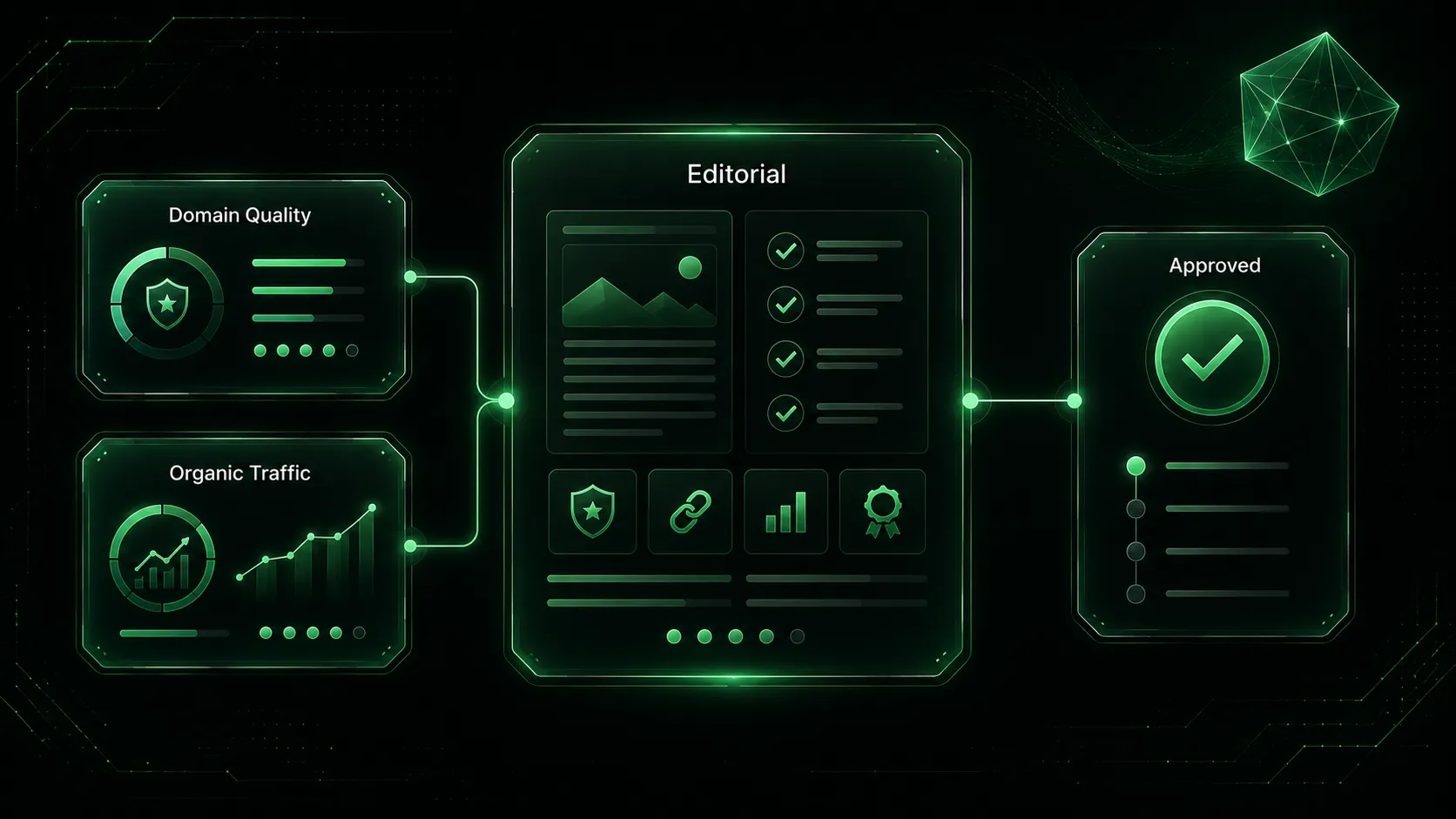
Long-term success depends on planning, publisher selection, and continuous performance analysis rather than the number of backlinks acquired each month. Professional agencies build campaigns around measurable business objectives, manual outreach, and transparent reporting so every niche edit supports broader SEO growth. Following best practices for niche edits helps maximize authority while reducing unnecessary risk.
Define Campaign Goals Before Outreach
Every successful campaign begins with clear objectives before contacting publishers. Agencies identify the pages that require additional authority, prioritize commercial and informational opportunities, and align every placement with the broader marketing strategy.
Typical planning considerations include:
- Define primary business objectives.
- Select target landing pages.
- Prioritize valuable keyword groups.
- Determine suitable publisher categories.
- Establish realistic acquisition velocity.
- Plan reporting milestones and success metrics.
This structured approach ensures each niche edit contributes to measurable business outcomes rather than simply increasing backlink numbers.
Evaluate Every Placement Carefully
Quality control separates sustainable campaigns from inconsistent backlink acquisition. Before approving any placement, agencies perform detailed reviews instead of relying on a single authority score.
| Evaluation Factor | Why It Matters |
|---|---|
| Topical relevance | Improves contextual alignment and user value |
| Indexing status | Confirms the page is visible to search engines |
| Organic traffic | Indicates ongoing page performance |
| Backlink profile | Reveals overall website trust and history |
| Editorial quality | Supports long-term credibility |
| Publisher reputation | Reduces risk associated with low-quality websites |
Reviewing multiple signals provides a more accurate assessment than any individual metric, allowing agencies to invest only in placements that support sustainable growth.
Combine Niche Edits With Other Link-Building Methods
The strongest campaigns rarely rely on one acquisition technique. Instead, agencies combine multiple editorial approaches to create a natural authority profile across different website types and publication formats.
An effective campaign may include guest post placements, digital PR, editorial backlinks, resource page outreach, strategic brand mentions, and carefully selected niche edit opportunities. This diversified acquisition model improves resilience while strengthening authority and traffic over time.
Monitor Performance and Refine Strategy
Campaign management does not end after publication. Agencies continuously monitor ranking movement, indexed backlinks, referral traffic, publisher quality, and overall campaign ROI to identify opportunities for improvement.
Performance reviews also help refine future outreach, adjust acquisition priorities, and optimize publisher selection. By analyzing long-term trends instead of isolated placements, agencies can scale successful strategies while maintaining a healthy backlink profile and consistent search visibility.
FAQ
What Are Niche Edits in SEO?
A niche edit is a backlink added to an existing published article through manual outreach rather than a newly written page. The purpose is to earn contextual editorial references from relevant websites that strengthen authority and support long-term SEO performance.
Are Niche Edits Better Than Guest Posts?
Neither method is universally better. A guest post offers complete editorial control and supports topical expansion, while a niche edit leverages existing authoritative pages. Most managed campaigns achieve stronger results by combining both acquisition strategies.
How Long Does It Take for Niche Edits to Show Results?
Results vary depending on competition, website authority, crawl frequency, and overall SEO health. Many campaigns observe measurable changes within several weeks to a few months, but consistent link acquisition and broader optimization remain the biggest factors influencing long-term performance.
Are Niche Edits Safe for SEO?
Yes, when secured through manual outreach on relevant editorial websites with genuine traffic and strong quality standards. Low-quality placements, manipulative practices, and irrelevant links increase risk, while ethical acquisition methods support sustainable search performance.
Can Managed SEO Campaign Rely Only on Niche Edits?
No. Although a niche edit is an effective acquisition method, the strongest campaigns combine niche edits with guest post placements, editorial backlinks, technical optimization, quality content, and other trusted link building strategies to produce sustainable long-term results.