Earning backlinks for a crowdfunding campaign presents a distinct challenge: your campaign page is temporary, your window for traffic is narrow, and most link building strategies are designed for long-lived websites rather than time-sensitive fundraising pages. Understanding which acquisition methods are realistic, which carry meaningful risk, and how to prioritise your effort can make a significant difference to how much organic and referral traffic your campaign receives before it closes.
Key Takeaways
- Crowdfunding campaign pages have a short lifespan, which limits the long-term SEO value of backlinks but does not eliminate the referral traffic benefit during the campaign window.
- The most reliable link acquisition methods for crowdfunding campaigns involve genuine news value, community relevance, and relationships with journalists, bloggers, and niche publishers.
- Paid or low-quality link placements carry search-engine policy risks and are unlikely to deliver meaningful organic traffic within a typical campaign timeline.
- A campaign hosted on a major crowdfunding platform inherits some of that platform’s domain authority, but individual campaign pages rarely rank competitively for broad keywords without external links and strong on-page content.
- Backlink acquisition should be one part of a broader campaign promotion strategy that includes social sharing, email outreach, press coverage, and community engagement.
Why Backlinks Matter for Crowdfunding Pages
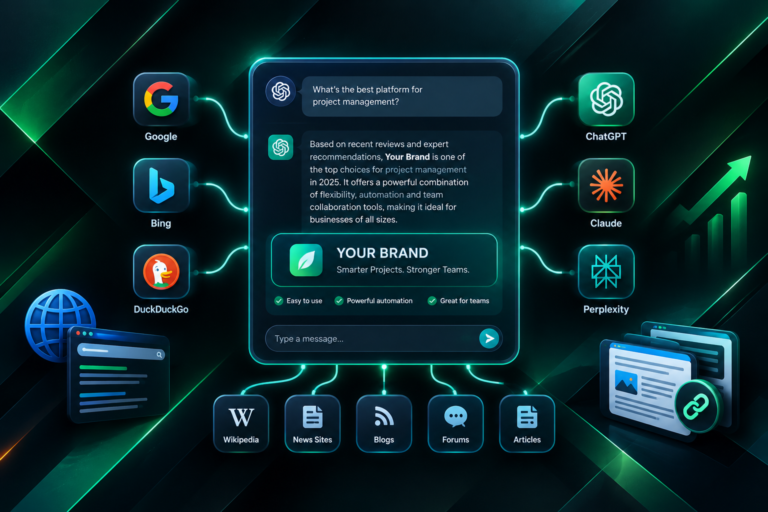
A backlink to a crowdfunding campaign page serves two distinct purposes: it may contribute to the page’s visibility in organic search results, and it delivers direct referral traffic from the linking website. For most crowdfunding campaigns, referral traffic is the more immediately valuable outcome. Organic search rankings take time to develop, and a campaign running for 30 to 60 days may close before any meaningful ranking improvement becomes measurable. Referral traffic from a relevant blog post, news article, or community forum, by contrast, can arrive within hours of a link going live.
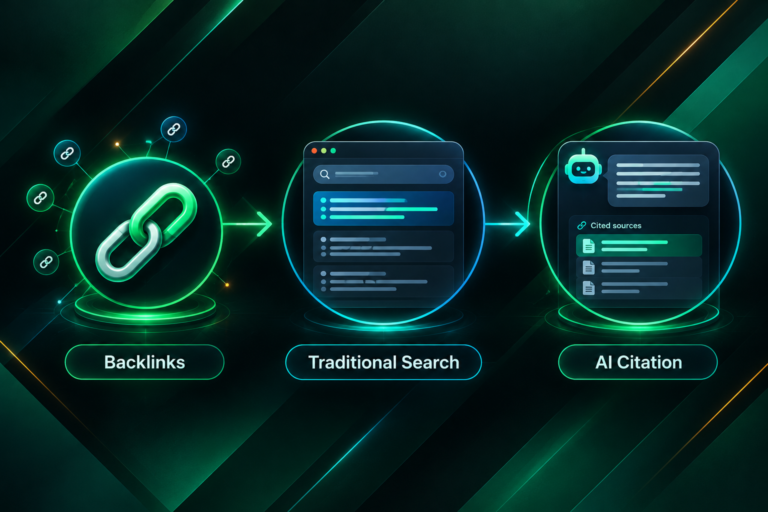
Search engines evaluate backlinks as signals of relevance and credibility. A campaign page that earns links from topically relevant, editorially independent sources is more likely to appear in search results for queries related to the campaign’s product, cause, or industry. However, the competitive landscape for most crowdfunding-related keywords is significant, and a single campaign page is unlikely to outrank established content without a combination of strong on-page content, genuine external interest, and a meaningful number of quality referring domains. Realistic expectations are important here: backlinks can support visibility, but they are not a guaranteed route to campaign success.
Assessing Your Campaign’s Link-Earning Potential
Before investing time in link acquisition, it is worth assessing whether your campaign has characteristics that make it genuinely linkable. Publishers and journalists link to crowdfunding campaigns when the campaign offers something newsworthy, useful, or interesting to their audience. A campaign that introduces a genuinely novel product, addresses a well-documented problem in a creative way, or has a compelling human story is far more likely to attract editorial links than a campaign that resembles dozens of similar projects already on the platform.
Consider the following factors when evaluating your campaign’s link-earning potential:
- Novelty and differentiation: Does the product, cause, or approach offer something that has not been widely covered?
- Audience specificity: Is there a clearly defined community, industry, or interest group that would find the campaign directly relevant?
- Visual and narrative quality: Does the campaign page include compelling images, video, or a story that a journalist or blogger could reference?
- Early momentum: Campaigns that reach a meaningful funding percentage quickly are more likely to be covered by media outlets that track crowdfunding trends.
- Founder or team credibility: Prior coverage, industry recognition, or a notable background can make a campaign more attractive to journalists.
If your campaign lacks strong differentiation, link acquisition efforts are likely to produce limited results regardless of the outreach volume. In that case, focusing on direct community promotion, social sharing, and email marketing may deliver a better return on your time.
Practical Link Acquisition Methods for Crowdfunding Campaigns
Press and Media Outreach
Earned media coverage is one of the most effective ways to acquire backlinks for a crowdfunding campaign. Technology, design, consumer product, and social impact journalists regularly cover crowdfunding launches, particularly on platforms with established audiences. A well-crafted press release or personalised pitch sent to relevant journalists and editors can result in editorial links from news websites, industry publications, and blogs with genuine readership.
Effective press outreach for a crowdfunding campaign typically involves identifying journalists who have previously covered similar campaigns or topics, personalising each pitch to explain why the campaign is relevant to their audience, and providing high-quality assets such as images, a product sample, or access to the founder for an interview. Generic press releases distributed through wire services may generate some syndicated coverage, but individually targeted outreach to relevant journalists tends to produce higher-quality placements with genuine editorial value.
The timing of press outreach matters. Pitching before the campaign launches allows journalists to publish coverage on or near the launch date, when momentum is most important. Following up with updated coverage when the campaign reaches a significant funding milestone can generate a second wave of links and traffic.
Niche Blog and Community Outreach
Beyond mainstream press, niche blogs, forums, and online communities that serve your campaign’s target audience can be valuable sources of both backlinks and direct referral traffic. A campaign for a cycling product, for example, may benefit more from a link on a respected cycling blog than from a mention in a general technology publication, because the audience is more likely to be interested in the product and to share it further.
Outreach to niche bloggers and community managers should be approached as a relationship-building exercise rather than a link request. Offering something of genuine value, such as early access to the product, an exclusive interview, or a discount for the blogger’s audience, increases the likelihood of coverage. Many bloggers who cover crowdfunding campaigns in a specific niche are open to reviewing or featuring projects that are relevant to their readers, provided the campaign meets a reasonable quality threshold.
Community platforms such as Reddit, niche Facebook groups, and specialist forums can also generate referral traffic, though links from these sources are typically nofollow and contribute less directly to search rankings. They can, however, drive meaningful traffic and increase the likelihood that other publishers discover and link to the campaign organically.
Guest Posting and Content Placement
Guest posting involves contributing an original article to a relevant publisher’s website in exchange for a link back to your campaign or a related page. For crowdfunding campaigns, guest posts work best when the content offers genuine value to the publisher’s audience rather than functioning as a thinly disguised advertisement for the campaign.
A founder with relevant expertise might contribute a how-to article, an industry perspective, or a problem-solution piece to a publication that covers their sector. The link to the campaign can appear naturally within the author biography or, where editorially appropriate, within the article itself. Publishers vary significantly in their willingness to link directly to crowdfunding pages, and some may prefer to link to a brand website or landing page instead. It is worth clarifying link placement expectations before investing time in writing a guest post.
The quality of the publisher matters considerably. A guest post on a website with genuine editorial standards, a real audience, and topical relevance to your campaign is likely to deliver both referral traffic and a meaningful backlink signal. Placements on low-quality websites with thin content and no real readership are unlikely to produce either benefit and may carry search-engine policy risks if the links appear manipulative.
Digital PR and Newsjacking
Digital PR involves creating content or stories that are genuinely interesting enough to attract links from journalists and publishers without direct outreach for every placement. For crowdfunding campaigns, this might involve publishing original research related to the campaign’s topic, creating a compelling data visualisation, or connecting the campaign to a trending news story in a credible way.
Newsjacking, the practice of connecting your campaign to a current news event or trend, can generate rapid media interest if the connection is genuine and timely. However, forced or opportunistic newsjacking can damage credibility and is unlikely to produce quality links. The approach works best when the campaign’s subject matter has a natural and honest connection to a topic that journalists are already covering.
Crowdfunding Aggregators and Review Sites
A number of websites specifically track, review, and feature crowdfunding campaigns across various categories. Submitting your campaign to relevant aggregators and review platforms can generate backlinks and referral traffic from audiences that are already interested in discovering new crowdfunding projects. The quality and authority of these sites varies considerably, so it is worth assessing each one before investing time in a submission.
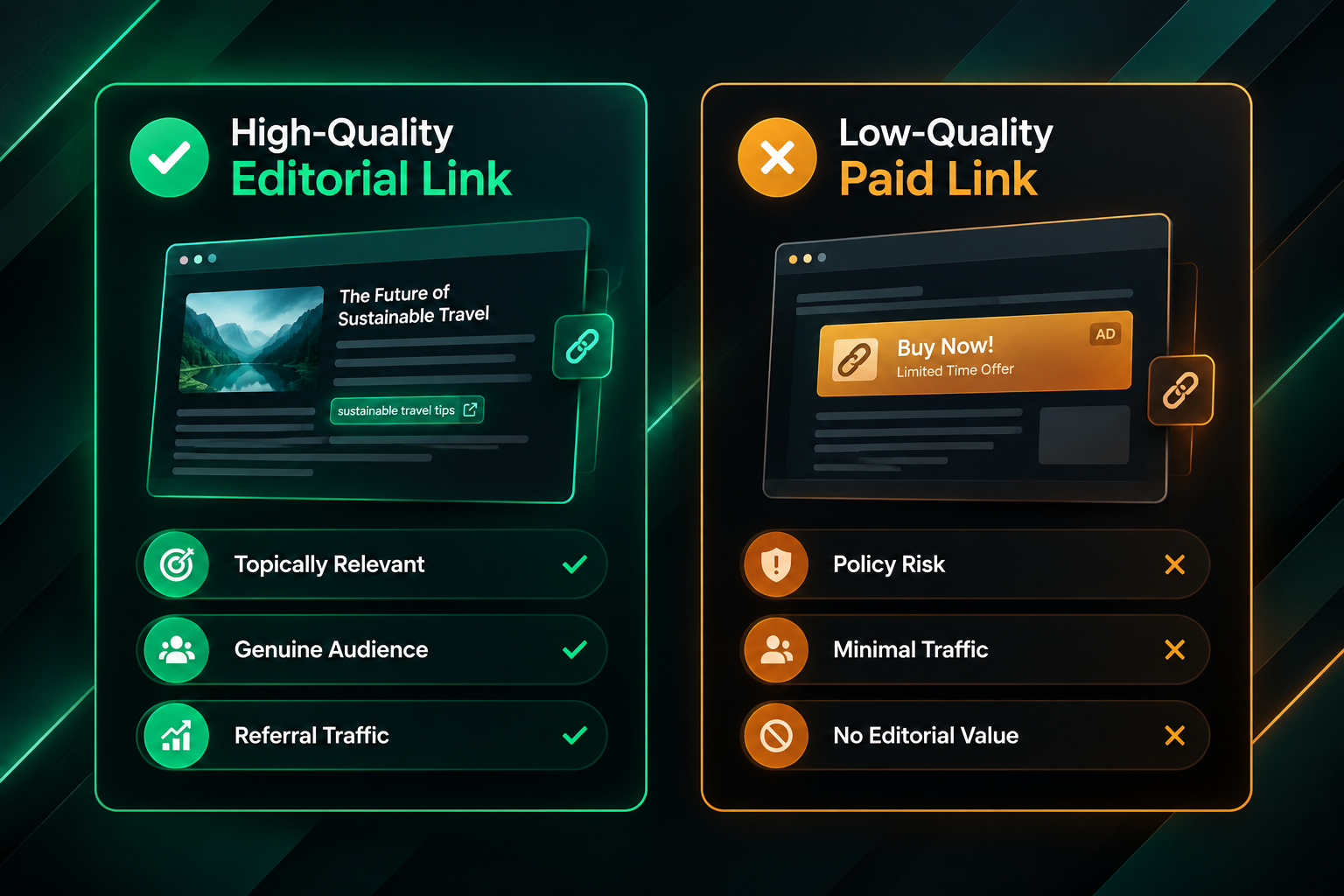
Some aggregator sites charge a fee for featured placement. Whether this represents good value depends on the site’s genuine audience size, the relevance of its readership to your campaign, and whether the resulting link is editorially placed or clearly marked as sponsored. Sponsored or paid links should, under Google’s published link spam policies, carry a rel=”sponsored” or rel=”nofollow” attribute. Placements that present paid links as editorial endorsements carry a policy risk that is worth understanding before committing to a fee.
Link Quality and Publisher Assessment
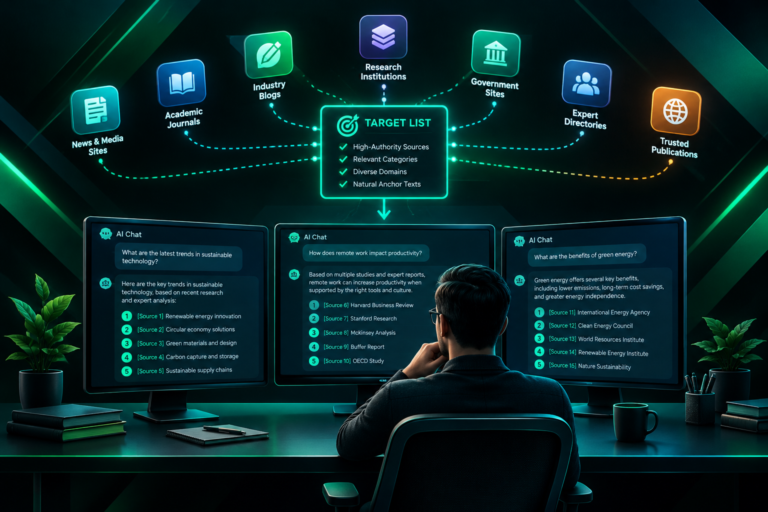
Not all backlinks contribute equally to a campaign page’s visibility. When evaluating potential link sources, several factors are worth considering beyond simple domain-level metrics such as Domain Rating (a proprietary Ahrefs metric), Domain Authority (a Moz metric), or similar scores from other SEO tools. These metrics can provide a rough indication of a website’s link profile strength, but they are not Google-provided signals and should not be treated as guarantees of ranking improvement.
More meaningful quality indicators for crowdfunding campaign link building include:
- Topical relevance: Does the linking website cover topics closely related to your campaign’s product, cause, or industry?
- Genuine audience: Does the website have real readers who engage with its content, as evidenced by comments, social shares, or visible traffic indicators?
- Editorial standards: Does the website publish original, well-written content, or does it appear to exist primarily to host links?
- Link placement context: Is the link embedded naturally within relevant content, or does it appear in a sidebar, footer, or list of unrelated links?
- Link attribute: Is the link followed, nofollow, or sponsored? Followed editorial links from credible sources carry the most potential SEO value, though nofollow links can still drive referral traffic.
Prioritising a smaller number of high-quality, relevant placements over a large volume of low-quality links is generally a more effective and lower-risk approach for crowdfunding campaigns.
Risks and Limitations to Understand
Several risks are worth understanding before committing to a link acquisition strategy for a crowdfunding campaign.
Campaign page lifespan: Most crowdfunding campaign pages are removed or archived after the campaign closes. Backlinks pointing to a page that no longer exists lose their referral traffic value immediately and their SEO value over time. If you plan to continue building a brand after the campaign, consider whether links should point to a permanent brand website or landing page rather than the campaign page itself.
Platform restrictions: Some crowdfunding platforms restrict the types of external promotion allowed or have terms of service that affect how campaign pages can be linked to. Reviewing the platform’s terms before launching an outreach campaign is advisable.
Paid link risks: Purchasing links from link brokers, private blog networks, or low-quality directories in an attempt to accelerate rankings carries a meaningful risk of violating Google’s link spam policies. For a campaign page on a major crowdfunding platform, a manual action or algorithmic penalty affecting the platform could have consequences beyond your individual campaign. Even for standalone campaign websites, paid links that are not properly attributed carry policy risk.
Timeline constraints: Organic search rankings typically take weeks to months to respond to new backlinks, depending on how quickly search engines crawl and index the linking pages and the campaign page itself. For a campaign with a 30-day window, organic ranking improvements may not materialise before the campaign closes. Referral traffic from links is more immediate and is often the more realistic goal within a short campaign timeline.
Resource requirements: Effective outreach takes time. Researching relevant publishers, personalising pitches, following up, and managing relationships is a meaningful workload. Campaigns with limited team capacity may find that the time invested in link outreach produces a lower return than direct community promotion or paid advertising.
When to Consider Professional Link Building Support
Some campaign teams choose to work with a professional link building service to manage outreach on their behalf. This can make sense when the campaign has a meaningful budget, a longer timeline, or a product that is genuinely newsworthy enough to attract quality placements at scale. A professional outreach team with established publisher relationships can often secure placements more efficiently than a founder managing outreach alongside all other campaign responsibilities.
Before engaging a link building service for a crowdfunding campaign, it is worth clarifying several practical points. First, whether the service has experience with campaign pages or time-sensitive projects, since standard link building campaigns are often designed for long-term SEO goals rather than short-window traffic objectives. Second, whether placements will be on topically relevant, editorially credible websites rather than generic link networks. Third, what the expected timeline is for placements to go live, since a service that typically delivers links over 60 to 90 days may not align with a campaign that closes in 30 days.
It is also worth understanding what happens to the links after the campaign closes. If the campaign page is archived or removed, links pointing to it will no longer deliver referral traffic. Some campaign teams redirect the campaign URL to a permanent brand page after closing, which can preserve some of the referral and SEO value of acquired links, though the effectiveness of this approach depends on how the redirect is implemented and how search engines handle the change.
Alternatives and Complementary Strategies
Backlink acquisition is one component of a broader crowdfunding promotion strategy. Several complementary approaches can deliver traffic and visibility without the timeline constraints of organic link building.
- Email marketing: Reaching existing subscribers, customers, or community members directly is often the fastest way to generate early campaign momentum and social proof.
- Social media promotion: Sharing the campaign across relevant social platforms and engaging with communities that have an interest in the campaign’s topic can drive significant referral traffic without requiring editorial link placements.
- Paid advertising: Targeted paid campaigns on social platforms or search engines can deliver traffic within hours of launch and can be scaled based on campaign performance.
- Influencer partnerships: Collaborating with relevant influencers or content creators who have an established audience in your campaign’s niche can generate both traffic and organic links from their followers’ content.
- Platform-specific promotion: Many crowdfunding platforms have internal discovery features, newsletters, and staff-picked categories that can significantly increase a campaign’s visibility without external link building.
The most effective crowdfunding promotion strategies typically combine several of these approaches rather than relying on any single channel. Backlink acquisition is most valuable when it is part of a coordinated effort that also includes direct audience engagement, press coverage, and community participation.
Frequently Asked Questions
Can a crowdfunding campaign page rank in Google search results?
A crowdfunding campaign page can appear in search results, particularly for branded queries or highly specific long-tail searches related to the product or cause. Ranking competitively for broader keywords is more difficult and typically requires a combination of strong on-page content, genuine external links, and sufficient time for search engines to assess the page’s relevance. For most campaigns with a short active window, referral traffic from links is a more realistic near-term goal than significant organic ranking improvement.
How many backlinks does a crowdfunding campaign need?
There is no fixed number of backlinks that guarantees a particular ranking or traffic outcome. The quality, topical relevance, and editorial credibility of linking websites matter more than raw link count. A small number of links from genuinely relevant, well-regarded publications is likely to be more valuable than a large volume of links from low-quality or unrelated websites. The appropriate scale of link acquisition depends on the campaign’s goals, timeline, competition, and available resources.
Should links point to the campaign page or to a brand website?
This depends on your goals. If the primary objective is driving traffic to the campaign during its active window, links pointing directly to the campaign page are most effective. If you are building a long-term brand and plan to continue operating after the campaign closes, links to a permanent brand website or landing page may deliver more lasting SEO value, since those pages will continue to exist and accumulate authority after the campaign ends.
Are nofollow links from community platforms worth pursuing?
Nofollow links do not pass the same link equity as followed editorial links, but they can still drive meaningful referral traffic from relevant communities. For a crowdfunding campaign where immediate traffic is the priority, a nofollow link on a highly active forum or community platform with a large, relevant audience may deliver more practical value than a followed link on a low-traffic website. Both types of links have a role in a balanced promotion strategy.
How quickly can backlinks affect a crowdfunding campaign’s traffic?
Referral traffic from a new backlink can arrive within hours of the link going live, provided the linking page is indexed and has an active readership. Organic search ranking improvements driven by new backlinks typically take longer, often several weeks or more, depending on how quickly search engines crawl and process the new links and how competitive the target keywords are. For campaigns with a short active window, prioritising placements on websites with genuine, engaged audiences is more likely to produce measurable traffic within the campaign timeline.
What should I look for when assessing a link building service for my campaign?
Look for a service that can demonstrate experience with time-sensitive or campaign-based projects, provides transparent information about the websites where links will be placed, and can deliver placements within your campaign’s active window. Ask whether placements will be on topically relevant websites with genuine audiences, how link quality is assessed, and what the process is if a placement does not go live before your campaign closes. Be cautious of services that promise large volumes of links at very low cost, as these are often associated with low-quality placements that carry search-engine policy risks.
Deciding Whether Backlink Acquisition Is Right for Your Crowdfunding Campaign
Backlink acquisition can be a worthwhile component of a crowdfunding campaign’s promotion strategy, but its value depends heavily on the campaign’s timeline, the quality of available link opportunities, and whether the campaign has genuine news or interest value that makes it linkable in the first place. For campaigns with a short active window, referral traffic from relevant, high-quality placements is often a more realistic and immediate benefit than organic ranking improvement.
The most effective approach combines targeted press and blogger outreach, community engagement, and a small number of high-quality editorial placements, rather than pursuing link volume for its own sake. Paid or low-quality link placements are unlikely to deliver meaningful results within a typical campaign timeline and carry policy risks that are not proportionate to the potential benefit.
If your campaign has a meaningful budget, a longer timeline, or a product with genuine media appeal, working with a professional outreach team may help you secure quality placements more efficiently than managing outreach independently. A qualified SEO or link building professional can assess your campaign’s specific situation, identify the most relevant publishers, and help you set realistic expectations for what backlink acquisition can and cannot achieve within your campaign window.