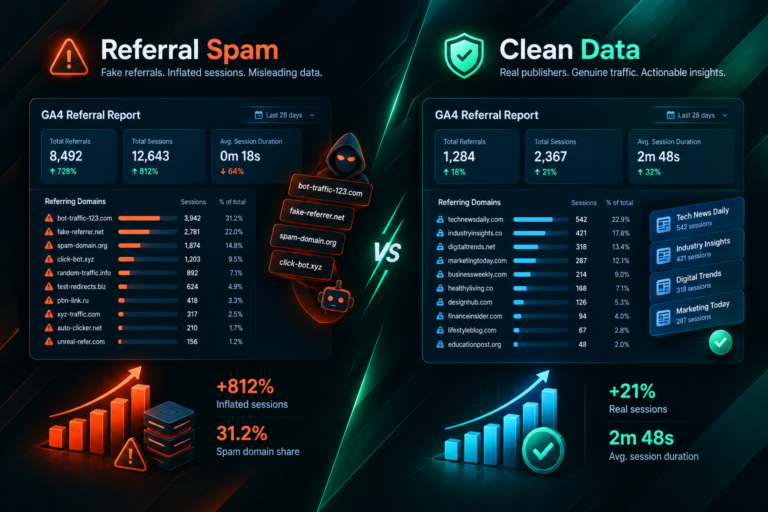
If you run link building outreach campaigns, you have almost certainly checked your open rate and wondered whether the number on screen reflects reality. The short answer is that it often does not. Open rate tracking relies on a mechanism that was never designed for precision, and several technical and behavioural factors routinely inflate or deflate the figure you see in your outreach tool. Understanding why this happens does not mean abandoning open rate data entirely, but it does change how you should interpret it and which signals you should prioritise when evaluating campaign performance.
Key Takeaways
- Outreach email open rates are measured using tracking pixels, a method that produces both false positives and false negatives, making the raw figure an unreliable standalone metric.
- Email security tools, privacy-focused mail clients, and Apple Mail Privacy Protection are among the most significant sources of inflated open rate data.
- Image-blocking settings and plain-text email preferences cause genuine opens to go unrecorded, deflating open rates for some audience segments.
- Reply rate, positive reply rate, and conversion to placed link are more reliable indicators of outreach campaign health than open rate alone.
- Open rate data still has limited diagnostic value when interpreted alongside other signals, but should not be used as the primary measure of outreach effectiveness.
How Outreach Email Open Rate Tracking Works
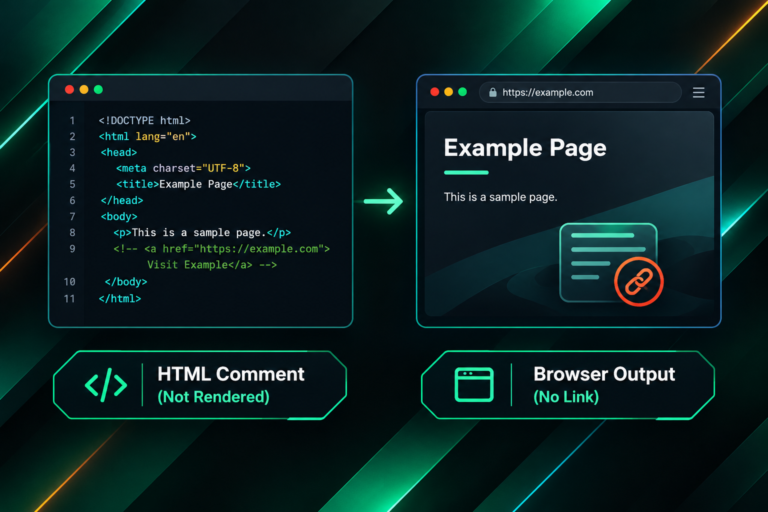
Most outreach platforms, including tools commonly used for link building campaigns, measure email opens by embedding a tiny transparent image, usually a single pixel, into the HTML of each sent message. When a recipient opens the email and their mail client loads the image from the sender’s server, the platform records an open event and timestamps it. This approach has been standard across email marketing and outreach software for many years because it requires no action from the recipient and works without any integration with the recipient’s mail provider.
The fundamental problem is that the pixel-loading event and the act of a human reading an email are not the same thing. The tracking pixel fires when an image is loaded, not when a person consciously opens and reads a message. Anything that loads images automatically, blocks images entirely, or pre-fetches email content on behalf of the recipient will either create a false open record or prevent a genuine open from being recorded. Both outcomes distort the data your outreach tool reports.
The Main Reasons Open Rates Are Inflated
Inflated open rates, where the platform records an open that does not correspond to a human reading the email, are now the more common distortion for many outreach senders. Several distinct mechanisms contribute to this.
Email Security Gateways and Bot Scanning
Corporate and enterprise email environments frequently route incoming messages through security gateways that scan content for malicious links, phishing attempts, and suspicious attachments before delivering the message to the recipient’s inbox. As part of this scanning process, the gateway may load all images in the email, including tracking pixels, to check whether they contain harmful content or redirect to dangerous URLs. When this happens, the outreach platform records an open event even though no human has seen the message. Publishers at larger media organisations, universities, and enterprise companies are particularly likely to have this kind of infrastructure in place, which means outreach campaigns targeting high-authority domains may show artificially elevated open rates for exactly the contacts most likely to have robust security filtering.
Apple Mail Privacy Protection
Apple introduced Mail Privacy Protection in iOS 15 and macOS Monterey, released in 2021. When a recipient uses Apple Mail with this feature enabled, Apple’s servers pre-fetch email content, including tracking pixels, before the message is delivered to the device. This means the outreach platform records an open at the moment Apple’s proxy server loads the pixel, regardless of whether the recipient ever opens the email. Because Apple Mail has a substantial share of email client usage, particularly among professionals using iPhones and Mac computers, this single feature can account for a meaningful proportion of recorded opens in a typical outreach campaign. The open timestamp recorded is also unreliable because it reflects when Apple’s server fetched the content, not when the recipient viewed the message.
Email Preview Panes
Many desktop email clients, including Microsoft Outlook and various webmail interfaces, display a preview of message content in a reading pane without the recipient formally opening the email. Depending on the client’s settings and whether images are loaded automatically in the preview pane, this can trigger the tracking pixel and register an open. A recipient who glances at the preview and immediately deletes the message may appear in your outreach data as someone who opened the email, even though they never engaged with the content in any meaningful way.
Automated Link and Image Prefetching
Some email clients and browser-based mail interfaces prefetch linked content or images to improve load speed for the user. Google’s Gmail, for example, routes images through Google’s image proxy servers, which can cache and serve images on behalf of users. While Gmail’s proxy behaviour does not necessarily create the same volume of false opens as Apple Mail Privacy Protection, prefetching and caching behaviour across different clients and platforms adds another layer of uncertainty to pixel-based open tracking.
The Main Reasons Open Rates Are Deflated
While inflated open rates are currently the more widely discussed problem, deflated open rates, where genuine human opens go unrecorded, remain a real issue for certain outreach audiences and email formats.
Image Blocking by Recipients
Some email clients block remote images by default and require the recipient to click a prompt to load them. If a recipient opens the email but does not load images, the tracking pixel never fires and the open is not recorded. This is more common in corporate environments where IT policy restricts automatic image loading, and among recipients who have manually configured their email client to block remote content for privacy or bandwidth reasons. Outreach campaigns targeting technical audiences, developers, or security-conscious professionals may see deflated open rates for this reason.
Plain-Text Email Clients and Preferences
Tracking pixels only function in HTML emails. If a recipient’s mail client is configured to display emails in plain text only, or if the recipient has set a preference for plain-text rendering, the pixel is never loaded and the open is not counted. Some outreach practitioners send plain-text emails deliberately because they can appear more personal and less like marketing messages, but this format makes open tracking impossible by design.
Cached or Offline Reading
Recipients who download emails for offline reading, or whose mail client caches content in a way that does not trigger a fresh image request, may read an email without the tracking pixel firing. This is a less common scenario but contributes to the overall unreliability of open rate data at the margins.
Why This Matters Specifically for Link Building Outreach
Link building outreach differs from bulk email marketing in ways that make open rate inaccuracy particularly consequential. In a mass marketing context, open rate is often used as a directional indicator across large volumes of sends, where individual false positives and negatives average out to some degree. In link building outreach, campaigns are typically smaller, more targeted, and directed at specific publishers, editors, and website owners. A campaign might involve a few hundred carefully selected prospects rather than tens of thousands of subscribers. At this scale, a handful of false opens or missed genuine opens can shift the reported open rate by several percentage points, making it genuinely misleading as a performance signal.

There is also a specific risk of misdiagnosis. If an outreach campaign targeting high-authority domains shows a high open rate but generates few replies, a link builder might conclude that the email copy is engaging but the offer is weak, and adjust the pitch accordingly. In reality, the high open rate may be almost entirely composed of security gateway scans and Apple Mail proxy fetches, meaning the actual human open rate is much lower and the real problem may be deliverability, subject line relevance, or prospect targeting rather than the offer itself. Acting on inaccurate open rate data can lead to the wrong optimisation decisions.
Which Metrics Are More Reliable for Outreach Campaigns
Given the limitations of open rate tracking, experienced link building practitioners tend to weight other signals more heavily when evaluating outreach campaign performance.
Reply Rate
A reply requires a deliberate human action. When a prospect responds to an outreach email, regardless of whether the response is positive, negative, or a request for more information, it confirms that a real person read the message. Reply rate is therefore a more reliable indicator of whether your emails are reaching inboxes and being read than open rate. A low reply rate combined with a high open rate is a strong signal that the open rate data is inflated, not that the offer is failing to convert interested readers.
Positive Reply Rate
Separating positive replies, those that express interest, ask for more details, or agree to a placement, from total replies gives a clearer picture of campaign quality. A campaign with a reasonable reply rate but a low positive reply rate may indicate that the targeting is broad, the pitch is not compelling, or the offer does not match what publishers in that niche typically accept. This distinction is more actionable than open rate data because it reflects actual editorial decision-making rather than server-side image loading.
Conversion to Placed Link
The ultimate measure of outreach campaign effectiveness for link building purposes is the number of links successfully placed on relevant, quality publishers. This metric is entirely unaffected by tracking pixel inaccuracies and reflects the real output of the campaign. Tracking the ratio of outreach contacts to placed links, sometimes called the placement rate or conversion rate, provides a meaningful benchmark for comparing campaigns, testing different outreach approaches, and assessing the quality of a prospect list.
Bounce Rate and Deliverability Signals
Hard bounce rate, the proportion of emails that could not be delivered because the address does not exist or the domain rejects the message, is a reliable and actionable metric. A high hard bounce rate indicates problems with prospect list quality or email verification. Soft bounces and spam folder placement are harder to measure directly but can sometimes be inferred from patterns in reply data and deliverability testing tools. Monitoring sender reputation and domain health is a more productive use of attention than optimising for open rate.
Can Open Rate Data Still Be Useful?
Open rate data is not entirely without value, but its usefulness depends on how it is interpreted. Rather than treating the absolute open rate figure as an accurate measure of how many people read your email, it can be used as a relative indicator when comparing campaigns sent to similar audiences using the same outreach tool and email format. If one subject line variant consistently produces a higher open rate than another across multiple sends to comparable prospect lists, that pattern may reflect a genuine difference in subject line performance, even if the absolute figures are inflated. The relative comparison is more meaningful than the raw number.
Open rate data can also serve as a rough deliverability signal. A sudden, unexplained drop in open rate across campaigns sent to similar audiences may indicate that emails are being routed to spam folders or that the sending domain has developed a reputation problem, even if the absolute figure was never accurate. Treating open rate as a directional trend indicator rather than a precise measurement is a more appropriate use of the data.
Some outreach tools now attempt to filter out known bot opens and security scanner activity from their open rate calculations, or provide separate reporting for suspected non-human opens. These features improve the quality of the data but do not eliminate the underlying problem, particularly for Apple Mail Privacy Protection, which is difficult to distinguish from genuine opens at the individual record level.
Practical Steps for More Accurate Outreach Measurement
Link builders and outreach managers who want a clearer picture of campaign performance can take several practical steps to reduce reliance on open rate data and build a more reliable measurement framework.
- Prioritise reply rate and positive reply rate as the primary campaign health metrics, and set benchmarks based on historical campaign data rather than industry averages, which vary significantly by niche and outreach method.
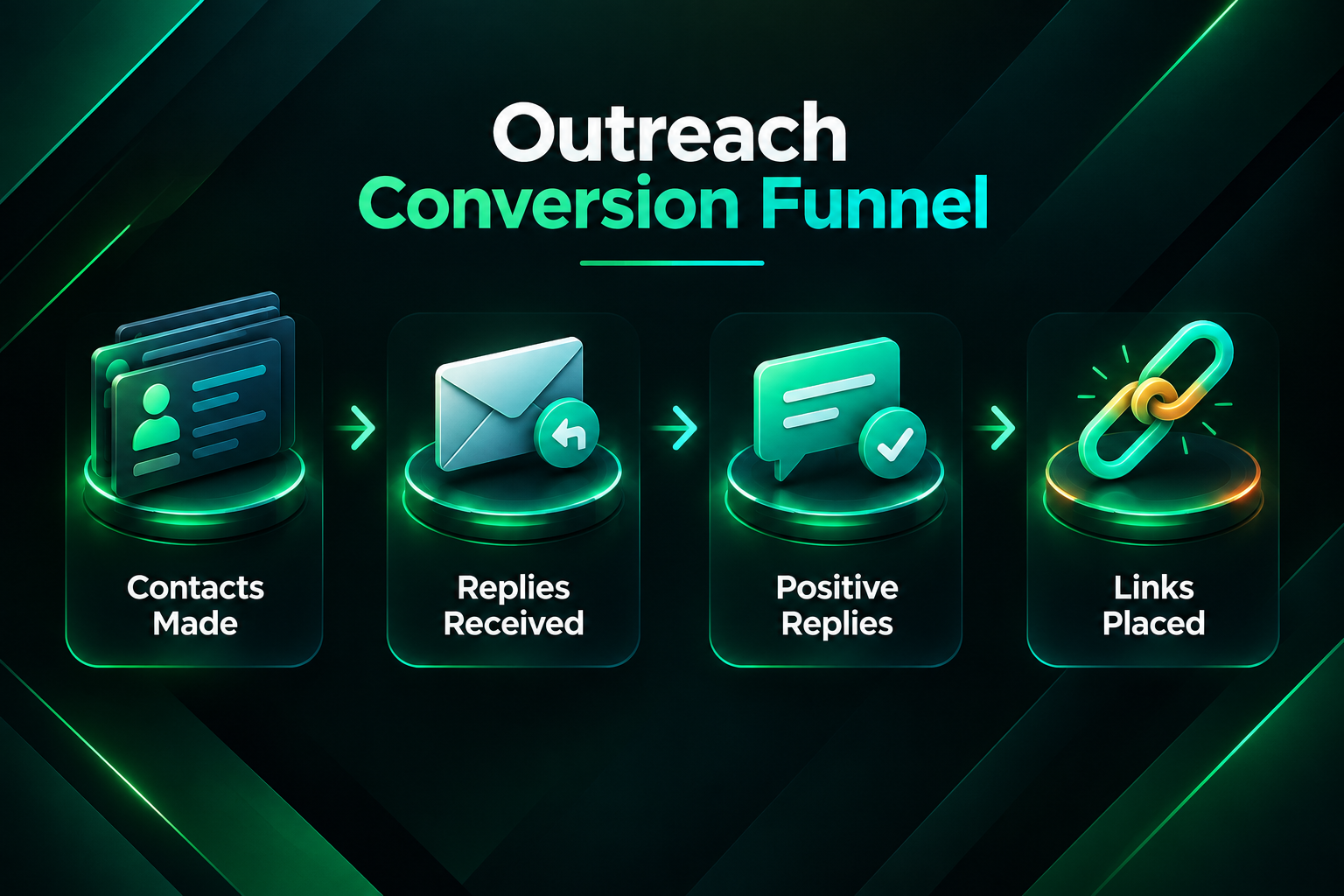
- Track placement rate from the start of each campaign, recording the number of contacts made, positive replies received, and links successfully placed. This creates a conversion funnel that is independent of pixel tracking.
- Use email verification tools before sending to reduce hard bounces and improve the accuracy of deliverability data.
- Test subject lines using reply rate as the success metric rather than open rate, particularly when targeting audiences likely to use Apple Mail or corporate email environments with security scanning.
- Monitor sender domain reputation using available tools and maintain good sending hygiene, including appropriate sending volume, warm-up periods for new domains, and consistent from-name and domain practices.
- Segment reporting by audience type where possible, since open rate inaccuracy is more pronounced for some publisher segments, such as large media organisations and enterprise companies, than for others.
Frequently Asked Questions
Does a high open rate mean my outreach emails are performing well?
Not necessarily. A high open rate may reflect security gateway scanning, Apple Mail Privacy Protection prefetching, or preview pane activity rather than genuine human engagement. Reply rate and placement rate are more reliable indicators of outreach performance. If your open rate is high but your reply rate is low, the open data is likely inflated.
Is Apple Mail Privacy Protection the biggest cause of inaccurate open rates?
Apple Mail Privacy Protection is one of the most significant and widely discussed sources of inflated open rates since its introduction in 2021, particularly for outreach targeting professionals who use iPhones or Mac computers. However, corporate email security gateways that scan incoming messages can also generate substantial volumes of false opens, especially when targeting publishers at larger organisations.
Should I stop tracking open rates altogether?
Removing open rate tracking entirely is an option, and some outreach practitioners choose plain-text email formats that make pixel tracking impossible. However, open rate data can still serve as a rough directional indicator for relative comparisons and deliverability trend monitoring, provided you do not treat the absolute figure as an accurate measure of human engagement. The key is to weight reply rate and placement rate more heavily in your reporting.
How do outreach tools try to correct for inaccurate open rates?
Some outreach and email marketing platforms attempt to identify and filter out suspected bot opens or security scanner activity based on patterns such as multiple rapid opens from the same IP address or opens occurring within seconds of sending. These filters improve data quality but are imperfect, and Apple Mail Privacy Protection in particular is difficult to filter reliably because Apple’s proxy servers behave similarly to genuine user opens in many respects.
Does open rate inaccuracy affect link building outreach differently than email marketing?
Yes. Link building outreach campaigns are typically smaller and more targeted than bulk email marketing, which means individual false opens and missed genuine opens have a proportionally larger effect on the reported open rate. The misdiagnosis risk is also higher because link builders may make specific copy or targeting decisions based on open rate data that does not accurately reflect human engagement with their emails.
What is a realistic reply rate benchmark for link building outreach?
Reply rate benchmarks vary considerably depending on the niche, the quality of the prospect list, the outreach method, and the offer being made. There is no universally applicable figure, and published industry averages should be treated with caution because they aggregate very different campaign types. Tracking your own historical reply rates across comparable campaigns is a more useful benchmark than external averages.
What Outreach Metrics Should Actually Guide Your Link Building Decisions
Open rate has long been treated as a headline metric for outreach campaigns, but the technical reality of pixel-based tracking means it is one of the least reliable numbers in your reporting dashboard. The combination of security gateway scanning, Apple Mail Privacy Protection, preview pane behaviour, and image blocking creates a measurement environment where the open rate figure can be simultaneously inflated by automated systems and deflated by privacy-conscious recipients, often within the same campaign.
For link building outreach specifically, where campaigns are targeted, the stakes per contact are higher, and the goal is a specific editorial outcome rather than a click or a purchase, building your performance framework around reply rate, positive reply rate, and placement rate gives you a much clearer and more actionable picture of what is working. These metrics reflect real human decisions and real campaign outputs, rather than server-side image loading events.
If you are managing outreach campaigns in-house and finding it difficult to establish reliable performance benchmarks, or if you are evaluating whether to outsource link building outreach to a specialist provider, understanding which metrics genuinely reflect campaign quality is an important starting point. A provider or team that reports primarily on open rates without contextualising reply rates and placement outcomes may not be giving you the full picture of campaign performance. Asking specifically how outreach effectiveness is measured, and which metrics are used to optimise campaigns over time, is a reasonable and important question before committing to any outreach programme.