Press releases have been a staple of public relations for decades, but their role in SEO has become increasingly contested. Businesses and marketers often ask whether distributing a press release still generates backlinks that meaningfully improve search rankings, or whether the practice has been largely neutralised by search engine updates and changing editorial standards. The honest answer is nuanced: press release backlinks can serve a legitimate purpose in certain contexts, but their direct SEO value is frequently overstated, and the strategy carries specific risks that are worth understanding before committing budget to it.
Key Takeaways
- Press release backlinks distributed through wire services are typically nofollowed or treated with reduced weight by search engines, limiting their direct ranking impact.
- Genuine editorial coverage generated by a newsworthy press release can produce high-quality followed backlinks, but this outcome depends heavily on the story’s newsworthiness and the quality of outreach.
- Google has publicly stated that links in press releases distributed at scale should not be used to manipulate PageRank, and using keyword-rich anchor text in mass-distributed releases carries a policy risk.
- Press releases may still support brand visibility, referral traffic, and indirect SEO signals even when the direct link equity is limited.
- For most link building campaigns, press releases work best as a complementary tactic rather than a primary link acquisition strategy.
What Are Press Release Backlinks?
A press release backlink is a hyperlink that appears within a press release document, pointing back to a company’s website. These links can appear in two distinct ways. The first is within the press release itself as distributed through a wire service such as PR Newswire, Business Wire, or GlobeNewswire, where the release is syndicated across hundreds of partner websites simultaneously. The second is within coverage that journalists, bloggers, or editors independently write after reading the press release, where they choose to link to the company’s website as a natural editorial citation.
These two types of backlinks are fundamentally different in terms of SEO value. Syndicated wire distribution links are created at scale across many domains simultaneously, which is a pattern search engines have specifically addressed in their link spam guidance. Editorially placed links from journalists who independently covered the story are treated differently because they reflect a genuine third-party decision to reference the source. Understanding this distinction is essential before evaluating whether press release link building is appropriate for a given campaign.
How Search Engines Treat Press Release Links
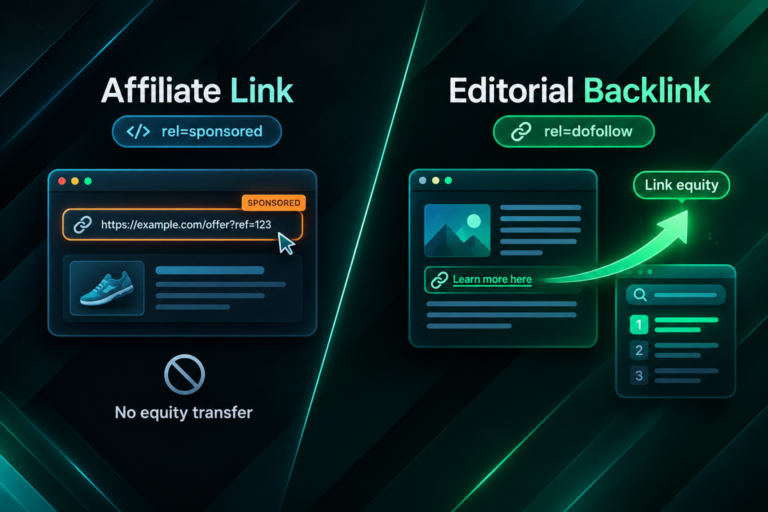
Google’s guidance on press release links has been relatively consistent since the Penguin algorithm updates began in 2012. The search engine has stated that links embedded in press releases distributed through wire services should be nofollowed or otherwise marked to avoid passing PageRank, because mass distribution creates an artificial link pattern rather than a genuine editorial endorsement. Many major wire services now apply the nofollow or sponsored link attribute to outbound links by default, which means the direct link equity passed to the target page is reduced or eliminated.
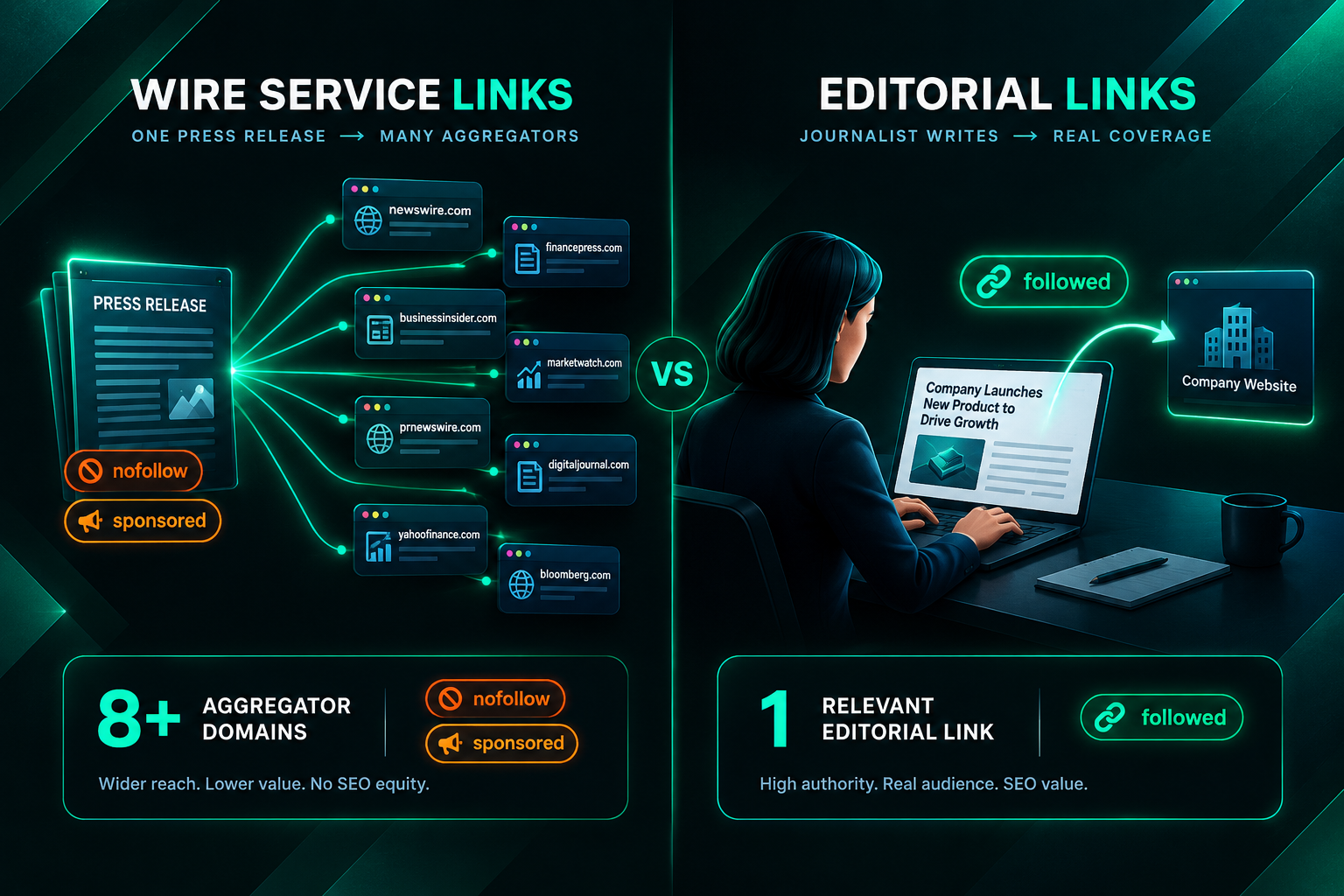
This does not mean press release links are entirely without value. Nofollow links can still drive referral traffic if the release is published on high-traffic news aggregators or industry portals. They may also contribute to a natural-looking backlink profile when used in proportion with other link types. However, treating wire-distributed press release links as a reliable source of followed, authority-passing backlinks is not supported by current search engine policy or by the technical reality of how most wire services handle link attributes.
Bing’s approach to press release links is less publicly documented, but the general principle that editorially earned links carry more weight than mass-distributed ones applies across major search engines. Any strategy that relies on volume rather than genuine editorial merit carries inherent risk regardless of the platform.
When Press Release Backlinks May Still Help SEO
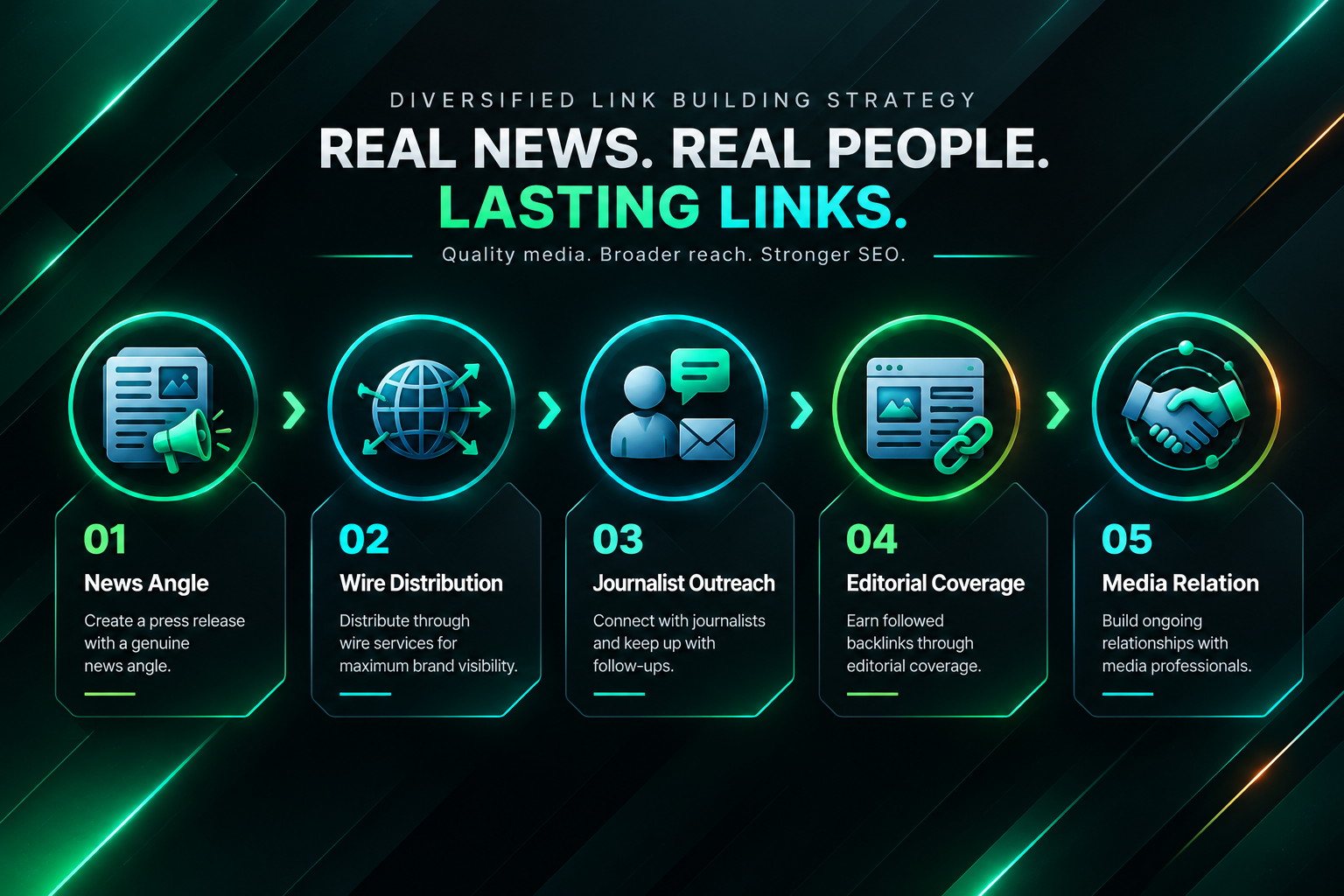
Despite the limitations of wire-distributed links, press releases can still contribute to an SEO strategy in specific circumstances. The most valuable scenario is when a genuinely newsworthy press release prompts independent journalists, industry publications, or bloggers to write their own coverage and include a followed link to the company’s website. This type of link is editorially earned, contextually relevant, and typically placed on authoritative domains within the relevant industry. It is, in effect, a form of digital PR rather than traditional press release distribution.
Press releases may also support SEO indirectly. A release that generates significant brand mentions, even without a hyperlink, can contribute to entity recognition signals that some SEO practitioners believe influence how search engines understand a brand’s authority and relevance. Referral traffic from news portals and industry sites can expose content to audiences who may later link to it organically. Brand awareness generated through press coverage can increase branded search volume, which is a measurable signal of growing online presence even if it is not a direct ranking factor.
For local businesses, a press release picked up by regional news outlets can generate locally relevant backlinks from domains that carry genuine authority within a specific geographic market. This type of placement may be more achievable and more relevant than national wire distribution for businesses whose primary audience is local.
The Risks of Using Press Releases Primarily for Link Building
Using press releases as a primary link acquisition tactic carries several risks that are worth weighing carefully. The most significant is the policy risk associated with keyword-rich anchor text in mass-distributed releases. If a press release contains exact-match or partial-match anchor text pointing to a commercial page and is distributed across hundreds of domains simultaneously, this pattern can resemble a link scheme as described in Google’s spam policies. Websites that have received manual actions for unnatural links in the past are particularly vulnerable to this type of signal.
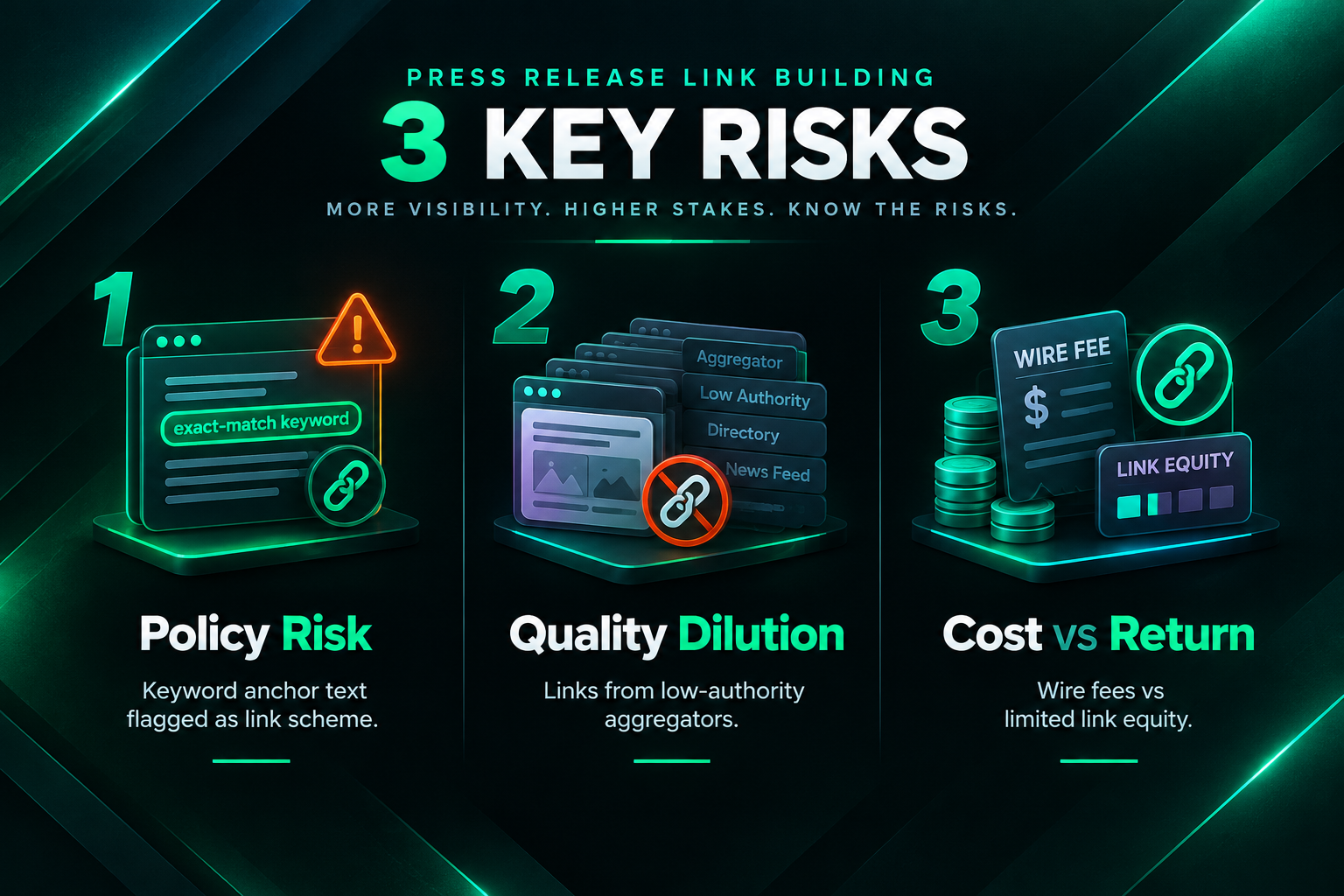
There is also a quality dilution risk. Many press release wire services syndicate content to low-quality aggregator sites alongside reputable news outlets. A backlink profile that contains a large number of links from thin, low-authority aggregator pages may not provide meaningful SEO benefit and could, in some assessments, contribute to a spammy-looking link profile. The sheer volume of identical or near-identical anchor text appearing across many domains in a short period is a pattern that link analysis tools and search engine algorithms are designed to identify.
A further practical risk is cost versus return. Premium wire distribution services can be expensive, and the direct SEO return from the links generated is often limited given the nofollow attributes applied by most major services. Businesses that allocate significant budget to press release distribution primarily for link building purposes may find that the same investment in manual outreach, guest posting, or digital PR campaigns produces more measurable link equity.
Press Release Quality and Newsworthiness
The SEO value of a press release is closely tied to its genuine newsworthiness. A release announcing a significant product launch, a meaningful research finding, a notable partnership, or a verifiable industry development has a realistic chance of attracting independent editorial coverage. A release written primarily to create an opportunity for keyword-rich links, with no genuine news angle, is unlikely to earn organic coverage and will generate only the syndicated links that carry limited direct SEO value.
Journalists and editors receive large volumes of press releases and apply editorial judgment about what merits coverage. Releases that are clearly promotional, lack a credible news hook, or are poorly written are typically ignored. This means the quality of the underlying story and the writing of the release itself directly affects whether the strategy produces editorially earned backlinks or only wire-distributed ones.
For businesses considering press releases as part of a broader digital PR strategy, investing in a genuinely newsworthy story and professional writing is more likely to produce useful SEO outcomes than distributing a high volume of low-quality releases. A single release that earns coverage in three or four relevant industry publications may deliver more link equity than dozens of wire-distributed releases that generate only nofollow syndication links.
Comparing Press Release Links to Other Link Building Methods
Understanding where press release backlinks sit relative to other link acquisition methods helps clarify when they may be worth including in a campaign and when alternative approaches may be more appropriate.
| Method | Typical Link Attribute | Editorial Control | Scalability | Policy Risk | Best Use Case |
|---|---|---|---|---|---|
| Wire-distributed press release | Nofollow / Sponsored | Low (syndicated) | High | Moderate if keyword-rich anchors used | Brand visibility, referral traffic |
| Earned press coverage (digital PR) | Followed (editorial) | High (journalist decides) | Low to moderate | Low | Authority link acquisition, brand building |
| Manual guest posting | Followed (editorial) | High (agreed placement) | Moderate | Low to moderate depending on approach | Topically relevant authority links |
| Niche edits / link insertions | Followed (editorial or paid) | Moderate | Moderate | Moderate | Existing content relevance, faster placement |
| Digital PR campaigns | Followed (editorial) | High | Low to moderate | Low | High-authority links, brand awareness |
This comparison illustrates that wire-distributed press release links occupy a specific and limited position in the link building landscape. They are scalable and can support brand visibility, but they are not a reliable source of the followed, editorially placed backlinks that most SEO campaigns prioritise for improving organic search rankings.
Who May Benefit from Press Release Link Building
Press releases as part of an SEO strategy may be most appropriate for businesses that have a genuine news story to tell and want to combine brand visibility with the possibility of earning editorial backlinks. Specific situations where press releases may add value include product launches with a credible market angle, research publications or original data that journalists in the industry would find useful, significant company milestones such as funding rounds or acquisitions, and responses to industry developments where the company has a credible expert perspective.
Businesses in industries where trade publications actively cover company news, such as technology, finance, healthcare, and manufacturing, may find that a well-crafted press release reaches editors who are genuinely looking for relevant stories. In these contexts, the press release serves as a pitch mechanism, and the SEO value comes from the editorial coverage it generates rather than from the wire distribution itself.
Businesses that are primarily seeking to build followed backlinks to commercial or product pages through press release distribution alone are less likely to find the strategy cost-effective. In those cases, manual outreach campaigns, guest posting on relevant industry publications, or structured digital PR campaigns are generally better aligned with the goal of acquiring link equity that may influence search rankings.
Integrating Press Releases into a Broader Link Building Strategy
Press releases are most effective when treated as one component of a diversified link acquisition strategy rather than a standalone tactic. A campaign that combines manual outreach for guest posts, digital PR for high-authority editorial links, and occasional press releases for genuine news announcements is more likely to build a natural, varied backlink profile than one that relies heavily on any single method.
When planning a press release as part of a link building campaign, several practical considerations apply. The anchor text used in the release should be natural and brand-focused rather than keyword-optimised, particularly for wire-distributed versions. The target page should be relevant to the news being announced rather than a generic commercial page. The release should be distributed to outlets that are genuinely relevant to the industry rather than to the broadest possible list of wire service partners.
Monitoring which publications independently cover the release and following up with those journalists for future story pitches can extend the value of a single press release into an ongoing media relationship. This approach, which is closer to traditional PR than to link building, is more likely to produce the kind of editorially earned backlinks that carry meaningful SEO weight over time.
Measuring the SEO Impact of Press Release Campaigns
Assessing the SEO impact of press release activity requires distinguishing between different types of outcomes. Referral traffic from news portals and industry sites is measurable through Google Analytics or equivalent tools and provides a direct indication of whether the distribution reached an engaged audience. New referring domains appearing in tools such as Ahrefs, Semrush, or Majestic after a release can indicate whether independent editorial coverage was generated, though it is important to distinguish between syndicated aggregator links and genuine editorial placements.
Changes in organic search rankings or organic traffic following a press release campaign are difficult to attribute directly to the press release links themselves, because many other factors influence ranking changes simultaneously. A more reliable approach is to track the specific pages that were linked to, monitor their ranking positions for target keywords over a period of several months, and assess whether any measurable movement correlates with the link acquisition. Even then, correlation does not confirm causation, and a site-specific assessment is needed to draw meaningful conclusions.
Third-party metrics such as Domain Rating from Ahrefs or Domain Authority from Moz may show movement after a press release campaign, but these proprietary metrics are not Google ranking signals and should not be treated as direct evidence of improved search performance. They can be useful for tracking changes in the overall backlink profile, but they do not replace monitoring actual ranking and traffic data.
Frequently Asked Questions
Do press release links count as backlinks for SEO purposes?
Press release links do appear as backlinks in third-party link analysis tools, but their SEO value depends on the link attribute applied. Wire-distributed press release links are typically nofollowed or marked as sponsored, which means they pass reduced or no PageRank. Editorially earned links from journalists who independently covered the story are generally followed and carry more direct SEO value.
Can press release distribution cause a Google penalty?
Mass distribution of press releases with keyword-rich anchor text pointing to commercial pages can create a link pattern that resembles a link scheme under Google’s spam policies. This does not automatically result in a manual action, but it increases the risk, particularly for websites that already have a history of unnatural link building. Using natural, brand-focused anchor text and avoiding excessive distribution reduces this risk.
How long does it take to see SEO results from a press release?
Syndicated wire links typically appear in link analysis tools within days of distribution. Editorially earned coverage may take longer to appear, depending on publication schedules. Any measurable impact on organic rankings or traffic, if it occurs, is generally not visible for several weeks to months after the links are indexed, and results vary significantly depending on the website’s existing authority, competition, and other SEO factors.
Is digital PR the same as press release link building?
Digital PR and press release link building overlap but are not identical. Digital PR is a broader strategy that uses newsworthy content, data, and story pitches to earn editorial coverage and backlinks from authoritative publications. Press release distribution is one tool within that approach, but digital PR campaigns often involve original research, expert commentary, and targeted journalist outreach rather than relying on wire distribution alone.
Should I use keyword-rich anchor text in my press release links?
Using exact-match or partial-match commercial anchor text in press releases distributed at scale is generally not recommended. Google’s guidance specifically identifies this as a practice that can manipulate PageRank, and it increases the risk of the links being discounted or flagged. Brand name anchors, URL anchors, and natural descriptive phrases are safer choices for press release link text.
Are there better alternatives to press releases for building backlinks?
For campaigns focused primarily on acquiring followed, authority-passing backlinks, manual guest posting on relevant industry publications, niche edits in existing content, and structured digital PR campaigns typically offer more reliable outcomes than wire-distributed press releases. Press releases remain useful for brand visibility and as a mechanism for pitching genuine news stories to journalists who may then provide editorial coverage.
Making an Informed Decision About Press Release Backlinks
Press release backlinks are not a straightforward SEO tool, and their value depends heavily on how they are used and what outcome the campaign is designed to achieve. Wire-distributed links from press release syndication carry limited direct link equity under current search engine guidance, and using them primarily to build keyword-anchored backlinks at scale carries a measurable policy risk. These are important limitations to understand before allocating budget to press release distribution as a link building tactic.
Where press releases genuinely add value is as a mechanism for communicating newsworthy stories to journalists and editors who may independently cover them, generating editorially earned backlinks that carry real SEO weight. This approach requires a genuine news angle, professional execution, and realistic expectations about the volume of coverage that any single release is likely to generate. It is closer to digital PR than to traditional link building, and it works best as part of a diversified strategy that includes other acquisition methods.
Businesses and SEO teams considering whether press releases belong in their link building mix should assess the newsworthiness of their available stories, the relevance of their target publications, and whether the expected outcomes align with their SEO goals. If the primary objective is to acquire followed backlinks to specific commercial or product pages, a campaign built around manual outreach, guest posting, or structured digital PR is likely to be more effective. If the objective includes brand visibility, media relationships, and the possibility of earning editorial coverage, a well-executed press release strategy may complement those goals.
A qualified SEO provider can help assess whether press release activity is appropriate for a specific website’s backlink profile, competitive landscape, and campaign objectives, and can advise on how to integrate it with other link acquisition methods for the best overall outcome.