

City-level editorial links help a business become more recognizable within the markets it serves. For law firms, dentists, contractors, clinics, franchises, and service-area companies, the right placements can support Local SEO, city landing pages, Google Maps visibility, and organic demand from nearby buyers.
Our agency manages outreach, publisher communication, content development, citation review, anchor planning, and placement monitoring. Backlinks alone do not guarantee map pack rankings. They work best when combined with Google Business Profile optimization, reviews, accurate NAP data, service-page quality, and measured link velocity that fits the domain.
Why Local Link Building Supports Local Search Growth
Local link building supports local search growth because search engines evaluate more than website authority. They also assess prominence, relevance, proximity signals, entity consistency, and whether trusted sources connect the brand with a market.
For service-area businesses, local link building strategies should be built around search intent, publisher quality, and market coverage. Effective local link building connects backlinks to city pages, GBP signals, citation accuracy, reviews, local rankings, and the real visibility patterns seen in local search results.
Local Links As City-Level Authority Signals
Local links act as city-level authority signals when the referring site is tied to the same business area. A placement from a neighborhood blog, chamber page, or regional trade association gives search engines additional context about where the business operates.
The value comes from fit, not volume. We review whether the source has real readership, clean outbound patterns, and content that makes the backlink useful to people in that market. This review helps prevent weak placements from diluting a campaign that should be built around trust.
Local Backlinks For Stronger Local SEO
Local backlinks for Local SEO work best when source geography and service relevance align. A city-relevant publication may help a service page more than a high-metric but unrelated national blog.
Our agency evaluates geo relevant backlinks for local SEO by page topic, index status, organic traffic, audience match, and anchor context. The goal is not just a link; the goal is stronger geographic trust through backlinks from locally relevant websites.

Mon-Fri: 09:00 AM – 06:00 PM
Ranking Benefits From Editorial City Mentions
Editorial city mentions can support ranking when they reinforce where a business serves customers and why that business belongs in the local market. A regional article mentioning a contractor, clinic, or legal practice adds contextual association around service and place.
This works best when the linked destination is useful. City service pages, service-area pages, and practical guides need clear copy, accurate contact details, internal links, and proof that the business can serve that searcher. That alignment can support local search ranking without relying on shortcuts.
Local Pack Visibility Through Trusted Sources
Local pack visibility is influenced by Google Business Profile quality, reviews, proximity, relevance, prominence, and website authority. Trusted regional sources can support prominence when they reference a business naturally.
We do not treat backlinks as a shortcut. For map visibility, we align acquisition with review signals, citation consistency, website content, category accuracy, and tracking across zip codes, suburbs, and service-area queries. That combined view reflects real local search ranking factors more accurately than backlink metrics alone.
Reviews And Links As Combined Trust Signals
Reviews and links tell different parts of the trust story. Reviews show customer experience, while editorial references show recognition from publishers, associations, directories, or community groups.
When a business earns a link from a credible nearby organization and also maintains a healthy review profile, the combined signal looks more realistic. Search engines and customers both see evidence that the brand is active, visible, and trusted. A well-placed citation can act as a vote of confidence.
Quality Standards For Sustainable Link Building
Sustainable link building depends on quality control before outreach begins. Our review process screens each website for audience value, topic fit, editorial standards, and signs of manipulative outbound linking.
We prioritize:
- Geographic fit: city, suburb, county, region, or service-area connection.
- Topical fit: industry, service, or buyer-intent alignment.
- Editorial control: human review, not automated posting.
- Traffic quality: evidence of real organic visibility.
- Placement context: natural copy around the backlink.
High-quality local links should look like legitimate references. They should not look like paid footprints, spun content, or irrelevant sidebar placements.
Build Local Link Foundation With Business Directories
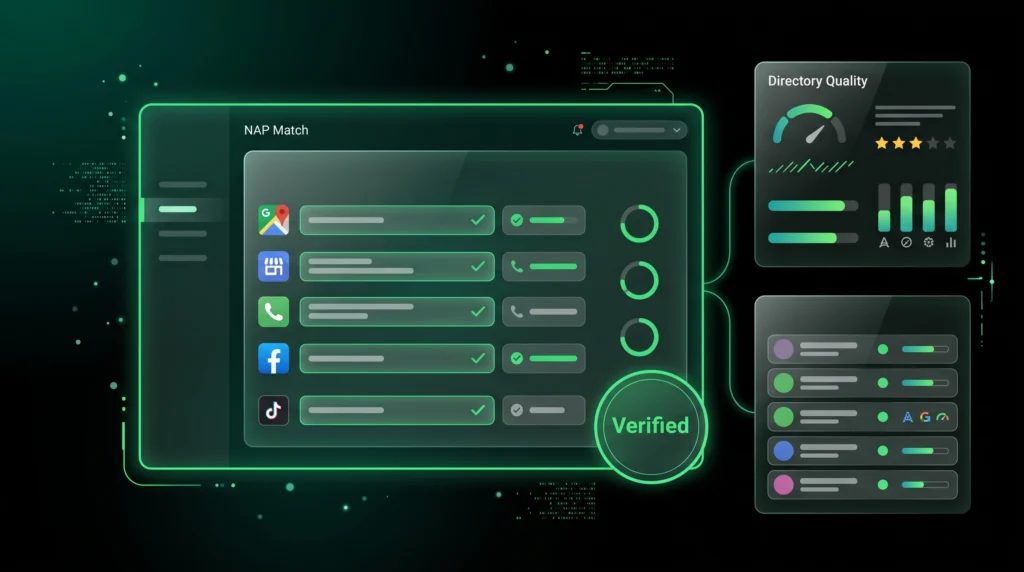
Business directories and citations create the verification layer for location-based SEO. They help a search engine confirm name, address, phone number, categories, service areas, and location relationships.
Editorial links usually carry stronger authority, but citation accuracy still matters. A strong foundation combines NAP consistency, Google Business Profile alignment, directory quality, and city-level backlinks that show real-world relevance.
Business Directories For Local Visibility
Business directories help businesses appear where people and search systems verify providers. For brick-and-mortar locations and service-area companies, consistent listings reduce confusion around phone numbers, addresses, categories, and service coverage.
We treat directories as structured trust assets. The strongest listings support entity clarity, referral discovery, and category relevance without relying on mass submissions to weak platforms. A clean directory layer also makes later editorial outreach easier to verify.
Local Business Directories Worth Prioritizing
Local business directories worth prioritizing are not always the biggest platforms. City directories, niche industry indexes, chamber pages, and regional association websites often provide stronger market context than generic listing sites.
| Directory Type | SEO Value | Best Use |
| City directory | Geographic validation | Location discovery |
| Industry directory | Topic relevance | Service credibility |
| Chamber listing | Business trust | Community proof |
| BBB profile | Trust verification | Brand confidence |
| Association page | Audience fit | Referral visibility |
A better business bureau profile may also help consistency and trust when it is accurate, maintained, and relevant to the business category.
Relevant Local Directories By City And Industry
Relevant local directories by city and industry help connect a provider with both service category and market. A dental office should prioritize healthcare directories and regional wellness platforms before broad, thin listing sites.
Our team uses local directories for SEO as one part of the strategy. Directory work supports verification; editorial acquisition supports authority, referral visibility, and stronger city-level recognition.
Chamber Of Commerce Listings
Chamber of commerce listings can strengthen business legitimacy because chambers are recognized community institutions. Many chamber sites also include member profiles, category pages, event pages, and sponsorship sections.
We review each local chamber of commerce opportunity before recommending it. Indexing, member page structure, outbound link behavior, and business category relevance all determine whether the listing deserves priority. For multi-location brands, each market may need its own chamber review.
Competitor Backlink Profile Research
Competitor backlink profile research shows where ranking businesses already earned recognition. It reveals directories, articles, sponsorship pages, partner mentions, and community sites that may also be realistic targets.
Our process includes:
- Identify competitors by city, service, and search intent.
- Review citations, editorial placements, sponsorships, and partner links.
- Filter weak, irrelevant, or risky domains.
- Sort targets by geographic fit and attainable outreach path.
- Match each opportunity to the right destination page.
The output becomes a campaign map. It helps us separate opportunities that can build authority from links that only inflate a report.
Earn Editorial Links From Local Media And Influencers
Editorial links from local media and influencers help businesses reach audiences that already trust regional voices. These placements may come from city blogs, community magazines, news sites, industry publishers, neighborhood platforms, or creator-owned websites.
The objective is not a generic backlink count. The objective is earning backlinks from websites that help search engines and customers associate the business with its served market.
Local Media Relationships
Local media relationships require relevant story ideas and respectful publisher communication. Editors see plenty of thin pitches, so a business needs a reason to appear that serves readers.
We research publication topics, previous coverage, author preferences, and community interests before pitching. Useful angles may include expert quotes, safety tips, hiring updates, seasonal guidance, or participation in a local event. A good pitch feels like a useful story, not a backlink request.
Newsworthy Local Story Angles
Newsworthy local story angles connect business expertise with community interest. A roofing company might discuss storm preparation, while a clinic might explain seasonal wellness issues affecting families.
A practical outreach sequence looks like this:
- Define the audience and search intent.
- Match expertise to a relevant issue.
- Prepare a short pitch with a clear hook.
- Offer quotes, data, images, or practical guidance.
- Follow up once or twice without pressuring editors.
This process protects publisher relationships. It also improves the chance that the final article feels editorial rather than promotional.
Local Influencers And Micro-Creators
Local influencers and micro-creators can support outreach when they own blogs, event calendars, travel guides, neighborhood resources, or industry websites. Social posts may build awareness, but website placements create measurable backlink value.
We evaluate creators by audience fit, site quality, publishing history, disclosure practices, and whether the content can add genuine value for readers researching services. The best creator partnerships produce useful content and natural referral visibility.
Community Website Contributions
Community website contributions perform well when the content helps residents make better decisions. A contractor can offer seasonal maintenance guidance; a lawyer can explain practical steps after a common issue; a clinic can provide prevention tips.
Regional blogs and neighborhood publishers often need useful copy. We write for readers first, then structure the content so the backlink fits naturally. When we collaborate with local publishers, the placement should make sense even without thinking about SEO.
Use Local Organizations, Partnerships, And Sponsorships
Local organizations, partnerships, and sponsorships create link opportunities when the relationship is genuine. Associations, nonprofits, schools, teams, and business alliances can provide credible market connections.
This type of link building should never look like random logo placement. The strongest opportunities connect real participation, audience value, and a page that search engines can crawl and understand.
Local Organizations With Relevant Audiences
Local organizations with relevant audiences include trade groups, charities, schools, civic groups, professional associations, and neighborhood alliances. These sources may provide backlinks that show community involvement and market fit.
We look for:
- The organization serves the same region or customer base.
- The website is maintained and indexed.
- The placement sits in meaningful content.
- The audience overlaps with likely buyers.
- The relationship can be verified.
This keeps the campaign grounded in real relationships. Search visibility is stronger when link sources match how customers recognize the business.
Sponsorship Links From Events, Charities, And Teams
Sponsorship links from events, charities, and teams can support visibility when the sponsorship is authentic. A sponsor page, event recap, or partner profile may provide a useful backlink and a real audience touchpoint.
Our team reviews local sponsorship links by source quality, page context, event relevance, link visibility, and long-term brand value. We prefer sponsorships that make sense beyond SEO.
Vendor Partner Link Opportunities
Vendor partner link opportunities often come from suppliers, software providers, referral partners, certified installer pages, and complementary businesses. These placements reflect real commercial relationships, which makes them stronger than cold, unrelated links.
For example, a contractor may appear on a supplier directory, while a clinic may be referenced by a regional healthcare partner. Context and relevance matter more than the label on the page. The strongest vendor links support both credibility and referral discovery.
Create Local Content Assets That Build Links
Local content assets give publishers a reason to cite a business. Generic service pages rarely attract editorial attention, but useful regional resources can become linkable when they solve a real customer problem.
We plan assets around search intent, outreach value, and destination-page strategy. The content should help potential customers while giving publishers something credible to reference.
City Guides, Maps, And Resource Pages
City guides, maps, and resource pages can attract backlinks when they help people compare options, prepare for a service, or navigate regulations. A law firm might publish a court-resource guide; a home service company might create a maintenance checklist.
| Asset Type | Best Fit | Link Appeal |
| City guide | Service education | Resident usefulness |
| Resource page | Decision support | Easy citation |
| Map content | Area comparison | Visual utility |
| Checklist | Seasonal tasks | Practical sharing |
Useful assets also support internal linking. A guide can point users toward service pages without forcing sales copy.
Original Local Data Studies
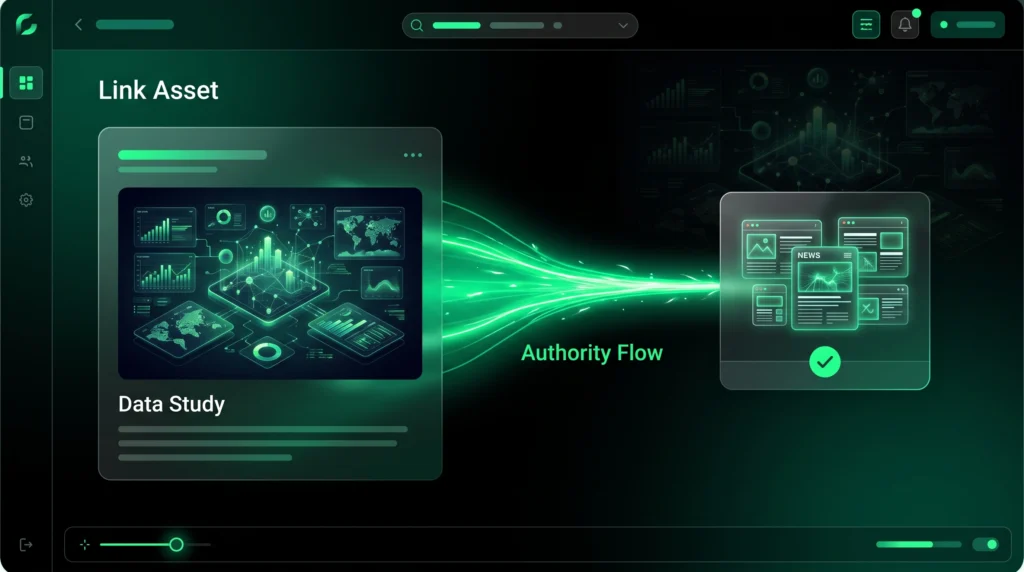
Original local data studies can earn citations because publishers prefer information that is not copied across the web. Data may come from public records, internal service patterns, customer questions, or regional demand trends.
We avoid fabricated numbers. When exact data is unavailable, we use transparent methodology, cautious language, and clear context so news sites, bloggers, and industry platforms can cite the asset confidently. Credibility matters more than dramatic claims.
Turn Brand Visibility Into Link Building Opportunities
Brand visibility often creates missed backlink opportunities. Businesses may appear in event recaps, vendor lists, community articles, award pages, sponsorship posts, or local news coverage without receiving a clickable reference.
A managed campaign turns those mentions into organized outreach. The goal is to convert existing recognition into authority signals that support location pages, organic search, referral visits, and a stronger link profile.
Unlinked Brand Mentions
Unlinked brand mentions are references to a business name without a clickable link. These opportunities are valuable because the publisher already knows the brand, which makes outreach more credible.
A typical workflow includes:
- Find mentions across news sites, blogs, associations, and partner pages.
- Confirm the mention is accurate and positive.
- Select the best destination URL.
- Request a natural link addition.
- Record anchor text, status, and placement date.
This process of earning backlinks often has a higher response rate than cold outreach because the conversation starts from an existing reference.
Contextual Placements On Relevant City Pages
Contextual placements on relevant city pages include niche edits, link insertions, and editorial additions within existing content. These can work well when the page already has traffic, indexation, and a topic that matches the business.
We avoid forced insertions. A contextual backlink should improve the page for readers and point to a destination that answers the same intent. If the paragraph feels unnatural, we reject the placement.
Expert Roundups With Local Voices
Expert roundups with local voices can earn attention from contributors, publishers, and industry readers. The format works when the question is specific and the contributors have credible experience.
A strong roundup might feature business owners, nonprofit leaders, builders, healthcare specialists, or real estate professionals. We keep the focus on practical answers instead of thin quotes. The finished asset should be useful enough to cite.
Local Interview Series
A local interview series can build relationships with community leaders, business owners, event organizers, and niche experts. Each interview creates a reason for promotion, citation, and future collaboration.
This works well for multi-location SEO because each market can have its own publisher and partner network. The content still needs editorial quality, not templated outreach copy.
Partner Case Studies
Partner case studies can earn links from vendors, clients, associations, and collaborators. A case study does not need private metrics to be useful. It can explain a project, challenge, service area, and practical result.
For city-level SEO, a case study should describe the market naturally. The goal is to show real work, real relationships, and relevance to the audience. That makes the local backlink easier to justify editorially.
FAQ
Find opportunities by reviewing competitors, directories, chamber sites, news outlets, bloggers, associations, sponsorship pages, and community websites. Prioritize sources with geographic relevance, editorial quality, organic visibility, and topical fit. Strong prospects usually connect directly to the business location, service area, industry, or audience.
The strategies that work usually include guest posts on regional sites, editorial placements, niche edits on relevant content, sponsorship links, chamber listings, and unlinked brand mention outreach. Results depend on competition, website quality, Google Business Profile strength, reviews, and whether the linked page satisfies search intent.
The number depends on competition, current authority, service-area size, and ranking goals. A small-market provider may need fewer quality links than a law firm in a competitive metro area. Link velocity should look natural and match the business’s existing domain profile.
Business directories can help build links and improve citation consistency when they are relevant, trusted, and accurate. Directories are best for NAP verification and entity clarity. They should not replace editorial backlinks from regional publishers, associations, niche sites, and community platforms.
Influencers can support SEO when they have blogs, event pages, guides, or community websites that provide contextual backlinks. Social-only exposure may help awareness, but it does not create the same backlink value. The strongest opportunities combine audience fit, content relevance, and authentic publisher standards.
Measure impact by tracking organic rankings, Google Maps visibility, map pack movement, Google Business Profile actions, citation status, referring domains, anchor distribution, and placement quality. Backlink results should be reviewed with reviews, proximity, content improvements, internal links, and technical website health.


