

Local backlink building helps HVAC companies and home service businesses earn geographically relevant backlinks from real publishers, directories, associations, chambers, community sites, and local and regional media. As a managed link building agency, we focus on placements that strengthen city-level authority, service-area trust, Google Maps visibility, and organic performance for location-driven searches.
This work should never operate separately from local SEO. Backlinks perform best when Google Business Profile data, NAP consistency, online reviews, service pages, internal linking, and content quality all support the same business entity. Our role is to manage outreach, evaluate publishers, plan geo-targeted anchors, control link velocity, and report how placements influence visibility in local search results.
Every local placement is reviewed against the destination page, because a strong backlink loses value when it points to a weak, mismatched, or thin page. That review keeps acquisition tied to buyer intent rather than vanity metrics.
Value Of Local Backlinks For HVAC And Home Service Growth
Local backlinks help search engines connect a service provider with a defined local market, real customers, and trusted local and regional sources. For HVAC services, roofing, plumbing, legal, dental, real estate, and other service-area industries, that geographic connection can influence how confidently search engines interpret relevance and prominence.
These links do not guarantee rankings by themselves. They support long-term SEO growth when combined with strong technical performance, accurate citations, review development, Google Business Profile optimization, and pages that satisfy city or service-area intent.
We also consider how each local citation or editorial mention supports entity clarity. When the business name, category, service area, and landing page all align, search engines receive a cleaner geographic signal.
Local Visibility Across Service Areas
Service-area companies rarely compete in only one place. A contractor may want visibility across several suburbs, while a franchise may need location-by-location growth across multiple metro areas. Local link building gives each target area clearer supporting signals.
A practical rollout usually follows this sequence:
- Map priority services to city, suburb, or neighborhood landing pages.
- Review local search results and competitors for each target area.
- Find local and regional publishers and citation sources with real audience value.
- Build links gradually to the most relevant pages.
- Track rankings, calls, forms, and map visibility by location.
This keeps campaigns focused on business outcomes, not link volume. It also helps owners see which city pages deserve more support, which services need better content, and where outreach should pause until the website can convert visitors effectively.

Mon-Fri: 09:00 AM – 06:00 PM
Trust Signals For Homeowners And Search Engines
Homeowners look for familiarity before they call. A mention on a neighborhood website, supplier page, local and regional publication, or chamber listing can make an HVAC service provider feel more established than a company with only a basic website.
Search engines also use outside mentions to assess prominence. Contextual editorial links can support backlinks for Google Maps rankings when the business also has accurate categories, consistent NAP data, strong review signals, and relevant location pages. The best signals look natural because they come from real relationships, not artificial link schemes. For a local business, a believable mention from a known community source can carry more practical trust than a higher-metric backlink from an unrelated website.
Local Market And Competitor Backlink Research
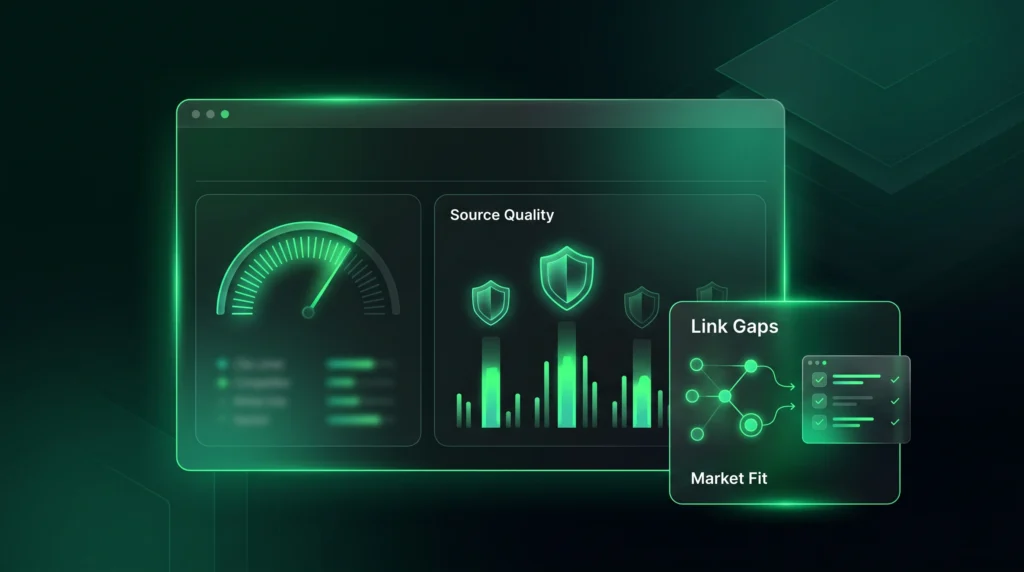
Local market research shows which websites already influence city-level search results. HVAC contractors often compete against nearby companies, lead-generation sites, review platforms, franchise pages, and directories. Each market has a different link profile, so the campaign must fit the actual SERP.
Our team reviews competitor backlinks, GBP strength, citations, content depth, review patterns, and organic movement. The goal is not to copy every competitor link. The goal is to identify sources that are relevant, reputable, and useful for the audience that may hire the business.
Local SERPs often reveal different winners by neighborhood, suburb, or map grid. That is why we compare competitors at the service-area level instead of relying on one broad domain overview.
Competitor Link Source Review
Competitor link source review reveals which local and regional websites repeatedly mention similar businesses. In real campaigns, we separate valuable placements from weak links that exist only because a competitor built them years ago.
We evaluate sources using practical criteria:
- Geographic fit with the target market.
- Topical fit with HVAC services or home services.
- Organic traffic from city or service queries.
- Editorial standards and content quality.
- Outbound link patterns and placement context.
- Real audience value for potential customers.
A source earns priority when it supports relevance, authority, and discovery at the same time. We also check whether the destination page answers the searcher’s need clearly, since even a strong placement cannot compensate for a page that lacks service detail.
Shared Local Citation Opportunities
Shared citation opportunities usually show baseline visibility gaps. Citations help verify business data, while editorial backlinks help build authority and trust. A healthy local SEO campaign uses both, but treats them as separate assets.
| Opportunity Type | Main Value | Campaign Use |
| Core directories | NAP verification | Business data consistency |
| Chamber profiles | Community trust | City-level credibility |
| Industry platforms | Topical relevance | HVAC and home service classification |
| Local and regional listings | Market discovery | Service-area exposure |
Accuracy matters more than mass submission. A small set of clean, reputable listings is stronger than dozens of inconsistent profiles.
Local citation audits also uncover duplicate profiles, category errors, and old phone numbers. Fixing those issues can improve confidence before editorial outreach begins.
Unique Backlink Gap Discovery
Backlink gap discovery looks for opportunities competitors missed. An HVAC company may have citations but no local and regional editorial coverage. A multi-location brand may have strong domain authority but weak support for individual branch pages.
For franchises and local and regional brands, multi-location local link building should be planned by market. Each location needs placements that match its service area, search competition, GBP profile, and landing page quality. This city-by-city strategy helps avoid uneven growth where one branch gains visibility while nearby locations remain under-supported.
Google Business Profile, Citations, And Directory Links
Google Business Profile, citations, and directory links help search engines verify business identity, local service categories, address data, phone numbers, and coverage areas. Many owners still say Google My Business, but Google Business Profile is the current platform.
A managed campaign should not rely only on directory submissions. Citations support verification, while editorial placements support authority. Both can help local SEO, yet neither replaces reviews, content quality, proximity, page relevance, or strong on-site optimization.
Local directory links are selected for verification and discovery, not just authority metrics. We avoid placements that appear abandoned, overloaded with outbound links, or disconnected from the target market.
Google Business Profile Optimization For Local Discovery
Google Business Profile optimization sets the foundation before outreach scales. If categories, service areas, hours, photos, review responses, and website links are incomplete, backlinks may have less impact on local search visibility.
A practical GBP workflow includes:
- Confirm primary and secondary service categories.
- Match listed services to website pages.
- Check business name, address, phone, and URL consistency.
- Review online reviews for relevance and response quality.
- Monitor map-grid movement and organic rankings together.
Strong profile data helps local backlinks reinforce one clear business entity.
Consistent NAP Across Key Platforms
NAP consistency means the business name, address, and phone number are accurate across major platforms. For service-area businesses, consistency also includes website URLs, service categories, service-area settings, and brand formatting.
Data mismatches create confusion. An old phone number, duplicate profile, or outdated address can weaken entity clarity. Local citation building helps confirm the business record, while editorial backlinks build prominence. In agency work, we check both because poor data hygiene can reduce the value of otherwise strong outreach. Local data cleanup also helps agencies managing client portfolios reduce reporting confusion and prevent duplicate profiles from splitting visibility signals.
Local Business Directory Listings
Local business directory listings can support visibility when the directory serves a real local and regional audience. City business directories, chamber sites, neighborhood associations, and specialized service marketplaces may help customers discover a reputable local service provider.
Directory review should include:
- NAP accuracy and category relevance.
- Indexable profile pages.
- Clean outbound link behavior.
- Evidence of regional traffic.
- Clear business description and service coverage.
Backlinks from directories are useful when they support verification and referral discovery. Low-value listings with no audience rarely help a serious campaign.
HVAC And Home Service Industry Directories
Industry directories help search engines understand what the business does. HVAC contractors may earn listings from contractor networks, supplier directories, certified dealer pages, home improvement platforms, and trade associations.
The strongest profiles connect a specific local service provider with specific services. A profile that lists repair, replacement, maintenance, emergency support, and service-area coverage gives better context than a thin name-only listing. For SEO for HVAC, directory quality depends on relevance, accuracy, indexability, and whether the listing helps potential customers evaluate the business.
Community Partnerships For Local Link Building
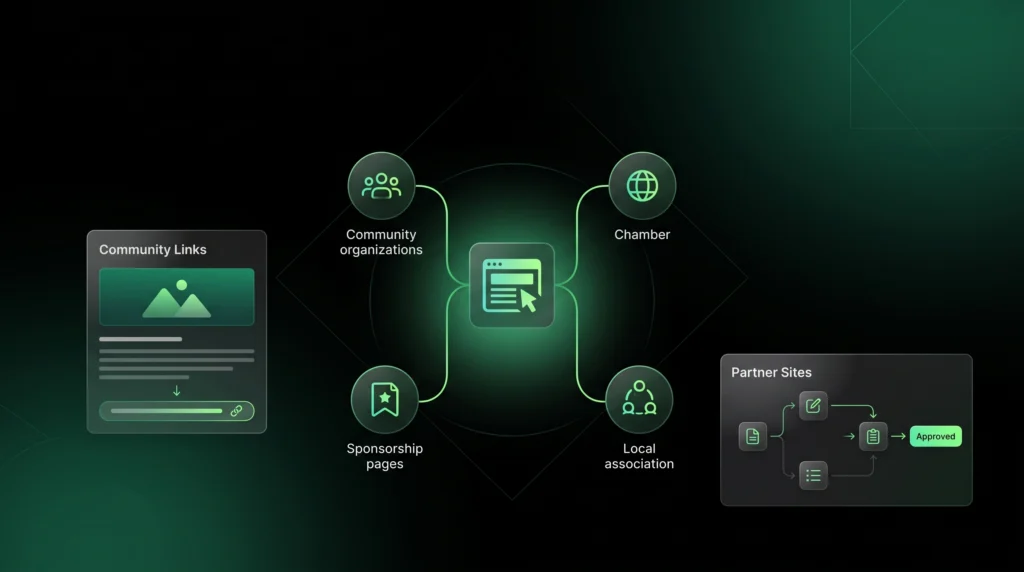
Community partnerships create natural backlinks because they come from real relationships. A local and regional organization, school, charity, supplier, association, or neighborhood site can mention a business in a way that feels credible to both homeowners and search engines.
For home service businesses, these partnerships also create brand familiarity. When a company appears in places residents already know, the online presence becomes more trusted. The backlink is valuable because the relationship is believable and tied to a service area.
Local partnerships also create referral visibility that pure SEO tools may miss. A homeowner may discover the company through a school sponsor page or association profile before ever searching again.
Partnerships With Complementary Local Services
Complementary service partnerships work when two businesses serve the same local audience without competing. HVAC companies may collaborate with roofers, electricians, remodelers, restoration companies, property managers, real estate agents, and home inspection providers.
Useful links may come from partner resource pages, referral guides, project content, or blog articles. The key is context. A link to your website from a trusted nearby partner reinforces geography and service relevance when the surrounding copy explains why the businesses work together.
Sponsorships For Community Events
Sponsorships can produce strong local and regional signals when the event has a real audience. A home service company might support a school fundraiser, youth sports program, neighborhood fair, nonprofit event, or trade gathering.
Before recommending local sponsorship backlinks, we check audience fit, page indexability, sponsor page history, editorial quality, outbound links, and brand mention clarity. The best sponsorships make sense offline first. The link supports the relationship rather than replacing it. This keeps the campaign credible and helps business owners choose opportunities that also build awareness among nearby homeowners.
Trade Association And Supplier Links
Trade association and supplier links connect an HVAC service provider with recognized industry entities. These links may appear on certified dealer pages, local and regional distributor websites, member directories, training platforms, or association profiles.
This matters for E-E-A-T because the business is associated with legitimate industry networks. A supplier or association page may also send qualified referral traffic. For local SEO, the link becomes stronger when the profile includes accurate business data, service categories, and a relevant destination page.
Local Charity And School Collaboration
Local charity and school collaboration works best when it reflects real involvement. A service-area business may donate labor, sponsor a facility improvement, support a safety program, or participate in a community initiative.
The backlink should be a result of the relationship, not the only reason for participation. Search engines and users respond better to mentions that include context, organization identity, and local and regional relevance. Authentic collaboration protects link velocity and creates trust signals that feel earned.
Relationships With Local Influencers
Local influencers include more than social media creators. In local SEO campaigns, useful contacts may include neighborhood bloggers, city newsletter editors, real estate publishers, association leaders, community site owners, and regional journalists.
Publisher relationships are built through useful ideas. We pitch maintenance guidance, emergency preparation, energy-efficiency tips, indoor air quality advice, and common HVAC issues. When the topic helps residents, outreach sounds less promotional and the backlink opportunity becomes easier to justify editorially.
Linkable Content For HVAC And Home Service Websites
Linkable content gives publishers a reason to cite an HVAC site. Service pages often convert visitors, but educational assets, guides, checklists, and regional resources make outreach more persuasive.
For home service businesses, content should answer buyer questions before the sales call. A useful asset may explain common problems, service timing, cost variables, safety considerations, or maintenance decisions. This content supports link building efforts because it gives publishers something helpful to reference.
Local content assets should match the questions residents actually ask before booking service. Strong assets reduce outreach friction because editors can see why the page deserves a citation.
Service Area Guides
Service area guides help search engines connect a business with specific communities. Strong guides explain coverage, response expectations, service availability, common demand patterns, and links to relevant services.
A useful guide is not a doorway page. It should answer real questions for people searching for hvac services in your area. For example, a contractor serving multiple suburbs may need separate pages only when each page offers distinct value, unique service details, and clear relevance to the audience.
Seasonal HVAC Maintenance Resources
Seasonal HVAC maintenance resources attract backlinks because homeowners want practical advice before weather changes. A guide about preparing an HVAC system for summer cooling or winter heating can support both search intent and outreach.
Local and regional publishers usually prefer helpful content over sales copy. A seasonal resource can include inspection timing, warning signs, filter guidance, safety reminders, and when to contact a reputable contractor. When content is useful, it can attract backlinks from local websites without forcing keyword-heavy anchors.
Local Cost And Savings Pages
Local cost and savings pages support high-intent research. Potential customers often compare repair factors, replacement considerations, maintenance plans, energy efficiency, rebates, and service timing before contacting a provider.
The content should avoid invented prices. Better pages explain cost variables, equipment type, home size, service urgency, warranty status, and when a quote is necessary. This balanced approach makes the page more trustworthy and gives local and regional publishers a credible resource to mention in homeowner advice content.
Case Studies And Success Stories
Case studies demonstrate experience without making unsupported promises. For local SEO, the strongest examples explain the customer problem, service process, constraints, and practical result.
An HVAC service provider may describe recurring airflow issues, emergency replacement during peak demand, or maintenance work that prevented system failure. A case study can attract backlinks when it teaches homeowners or property managers something useful. The page also supports conversion because potential customers can see how the company approaches real service situations.
Homeowner Education Infographics
Homeowner education infographics make technical topics easier to share. HVAC companies can explain filter changes, airflow warning signs, thermostat issues, maintenance timing, energy efficiency, or common HVAC issues through simple visuals.
A good infographic should have local and regional relevance without overloading city terms. Neighborhood blogs, home improvement websites, and community newsletters are more likely to reference visuals that help readers make practical decisions. Visual assets also create flexible outreach angles for guest posts, niche edits, and editorial mentions.
Expert Tips For Local Property Owners
Expert tips give property owners actionable guidance while demonstrating practical experience. The strongest advice comes from service realities: missed maintenance, poor installation, aging systems, airflow problems, and emergency repair patterns.
HVAC contractors can explain when to schedule maintenance, what questions to ask before replacement, how to compare contractors, and how to avoid preventable service calls. This type of content supports marketing strategies for HVAC because it builds trust before potential customers request a quote.
Outreach, Guest Posting, And Digital PR
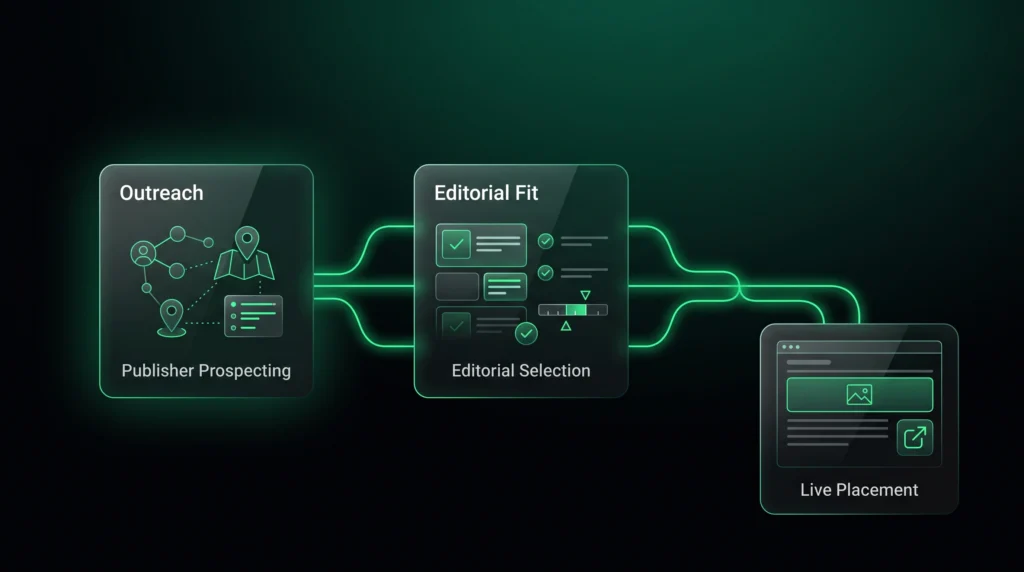
Outreach-based link building is manual relationship work. Our team identifies publishers, reviews audience fit, prepares locally useful topics, manages communication, negotiates placement details, and monitors links after publication.
Guest posting, niche edits, and digital PR work best when the content fits the publication. A local and regional editorial backlink carries stronger value when the surrounding article naturally references the customer problem, service category, and target market. Effective link building depends on relevance, not volume.
Guest Posts On Home Improvement Blogs
Guest posts on home improvement blogs can support link building for HVAC companies when the blog reaches homeowners in the target region or niche. The topic should serve the reader before it promotes the business.
Strong guest post topics include maintenance timing, indoor air quality, energy efficiency, emergency preparation, and how to choose a reputable contractor. Geo-targeted anchor text should be balanced: branded anchors, city modifiers, service phrases, neighborhood references, and natural URL anchors all have a place when used carefully.
Expert Commentary For Local Media
Expert commentary helps local media cover timely service issues. Journalists and community editors may need quotes about heat waves, storm preparation, heating safety, indoor air quality, or emergency repairs.
Our outreach team positions the business as a practical local expert, not a self-promoter. The result may be a brand mention, link back, referral traffic, or stronger entity recognition. Even when a publication does not link, relevant media visibility can still support brand trust and future outreach conversations.
Customer Testimonials For Partner Websites
Customer testimonials can create legitimate partner links when the company has real relationships with suppliers, software providers, associations, or complementary service brands. The testimonial should be specific and useful to the partner’s audience.
For HVAC companies, these links may appear on equipment supplier pages, contractor tools, training providers, dealer networks, or business partner websites. A testimonial placement works best when the page is indexed, the brand mention is clear, and the surrounding context matches the industry.
Project Spotlights And Company Milestones
Project spotlights and company milestones can earn coverage from local and regional news, business publications, chambers, and community blogs. Good angles include facility expansion, new service coverage, safety certifications, community work, hiring news, and supplier partnerships.
A digital PR pitch should answer why the story matters to residents or businesses in the area. Editors respond better when the story explains a practical impact instead of asking for coverage only because the company wants a backlink. Does it improve response times, create jobs, support emergency service, or help homeowners? When the story has a concrete local and regional angle, publishers have a stronger reason to mention the company and link back to your website.
Monitoring Backlink Performance And SEO Results
Monitoring and evaluating your link building efforts protects campaign quality. Local SEO performance depends on more than link count, so reporting must connect placements to rankings, map visibility, organic movement, citation status, and referral visibility.
A professional campaign tracks acquisition and outcomes. We review indexation, anchor distribution, destination pages, placement stability, link velocity, publisher quality, and local search movement. This prevents unstable growth patterns and keeps the campaign connected to real business goals.
Local ranking data is reviewed alongside calls and form submissions, because position changes only matter when visibility reaches real prospects. Reporting should show where backlinks support pages that convert.
New Backlink Tracking
New backlink tracking confirms that placements are live, indexable, relevant, and pointed to the right page. A backlink may look good in a report but fail to support performance if the page is unrelated, hidden from search engines, or surrounded by low-quality outbound links.
Campaign tracking should cover:
- Placement URL and publisher type.
- Target city or service-area relevance.
- Anchor text and destination page.
- Follow or nofollow status.
- Indexation and link stability.
- Referral visibility and ranking movement.
This review keeps link building tactics accountable after publication.
Link Authority And Relevance Review
Link authority is useful, but relevance decides whether a backlink supports city-level growth. A modest local and regional publication can be more valuable than a stronger national website with no service-area connection.
We review organic traffic, topical fit, geographic fit, editorial standards, outbound link behavior, and page context. A reputable local source should have a real audience and a credible reason to mention the business. This quality review helps protect long-term SEO growth and avoids chasing metrics that do not reflect buyer behavior.
Rankings, Calls, Leads Connection
Backlink reporting should connect SEO activity to business visibility. Rankings can shift differently across neighborhoods, suburbs, and map grids, so one broad average does not explain performance.
The best reporting model combines Google Maps visibility, local pack rankings, organic search results, citation status, review signals, GBP activity, calls, forms, and placement monitoring. Backlinks alone do not create leads, but effective link building strategies can help stronger pages appear when potential customers are ready to choose a provider.
FAQ
HVAC businesses can build local backlinks through manual outreach to city blogs, regional publications, local directories, chambers of commerce, supplier pages, and community organizations. The strongest approach combines editorial placements, citation consistency, useful HVAC content, and geo-targeted anchor planning. Backlinks work best when the Google Business Profile, reviews, and service pages are already optimized.
The most useful local backlinks usually come from reputable regional publishers, chamber of commerce sites, local associations, neighborhood blogs, supplier directories, and industry-relevant platforms. Value depends on geographic relevance, topical fit, editorial quality, traffic, and link context. A smaller number of relevant links often supports local SEO better than many generic links.
Directory links can still support HVAC SEO when they come from accurate, reputable, and locally relevant platforms. They are especially useful for NAP consistency and business verification. However, directory links should not replace editorial backlinks, review growth, GBP optimization, or strong location-page content. Low-quality mass directory submissions rarely provide meaningful local value.
Local backlinks can support Google Maps rankings by strengthening prominence, geographic relevance, and brand trust signals. They do not guarantee local pack rankings on their own. Google Maps visibility also depends on proximity, Google Business Profile optimization, categories, reviews, citations, website relevance, and competitive conditions in each service area.
An HVAC website needs enough quality backlinks to compete in its specific local market, not a fixed number. A business in a small suburb may need fewer links than a contractor in a competitive metro area. Quality, relevance, anchor distribution, link velocity, and destination-page strength matter more than a raw backlink count.
Yes, multi-location companies should usually build separate local links for priority locations. Each city or branch competes in a different local search environment, so backlinks should support the relevant location page, service area, and Google Business Profile. The nuance is pacing: link velocity and outreach volume should match each location’s authority, competition, and content quality.


