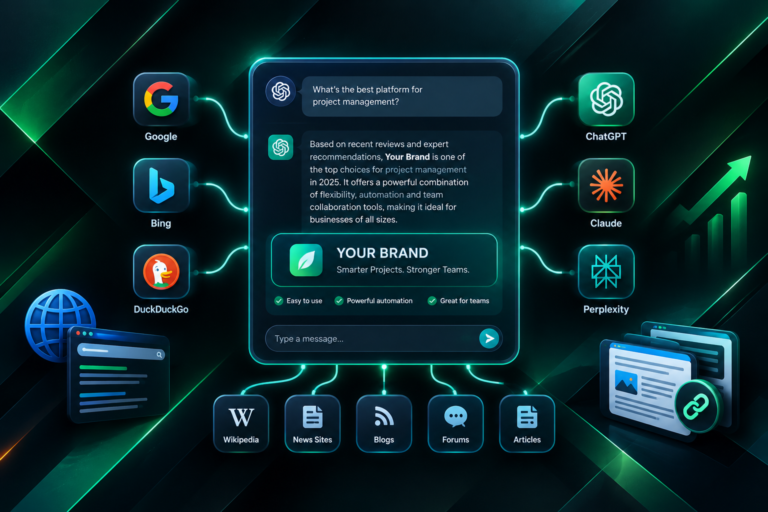
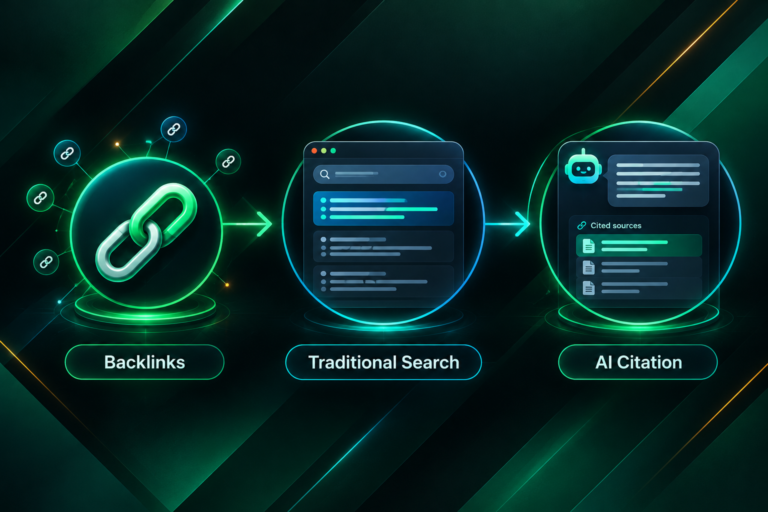
Competitor citation analysis is one of the most practical ways to improve local SEO without relying on guesswork. Instead of submitting a business to hundreds of directories with uncertain value, businesses can analyze where successful competitors have earned citations and use that information to build a smarter optimization strategy. This approach highlights trusted citation sources, reveals missing business listings, and exposes opportunities that directly influence ranking in Google Search and Google Maps.
For a professional link building agency, competitor analysis for local campaigns is never limited to counting directory listings. We evaluate citation quality, publisher authority, business relevance, NAP consistency, and how each listing contributes to long-term visibility. Combined with outreach-based backlink acquisition, competitor citation research creates a stronger local authority profile while supporting sustainable local SEO growth.
A structured review of local SEO competitors also uncovers patterns that explain why certain businesses consistently appear in the local pack. By analyzing your local market, businesses can identify trusted industry directories, discover overlooked opportunities, and strengthen signals that help search engines understand business legitimacy. When paired with strategic link building, citation improvements become another reliable ranking asset rather than an isolated SEO task.
Competitor Citation Analysis: Definition, Purpose, Benefits
A successful local SEO campaign depends on understanding not only your own business profile but also the strengths of every significant competitor. Competitor analysis focused on citations allows businesses to discover where competitors are listed, how consistently their business information appears, and which citation sources contribute the greatest value. Instead of building listings blindly, businesses can prioritize directories that already influence local search performance within their industry.
At our agency, citation research forms part of a broader outsourced SEO strategy. We compare directory coverage, identify trusted publishers, evaluate listing authority, and combine these findings with editorial backlink campaigns. This process helps clients improve ranking, strengthen local trust, and avoid investing resources in directories that provide little measurable SEO benefit.
The primary advantages include:
- Discovering high-value citation opportunities.
- Improving NAP consistency across listings.
- Finding authoritative industry directories.
- Strengthening local authority signals.
- Supporting long-term local SEO growth through data-driven decisions.
Businesses looking for additional opportunities can review local backlink gaps from competitors alongside citation research to create a more complete local authority strategy.
Competitor Citation Analysis: Meaning
Competitor citation analysis evaluates every important citation source where competing businesses maintain listings. Rather than measuring directory quantity alone, the process reviews listing completeness, business categories, NAP accuracy, review signals, website links, and geographic relevance.
Our specialists typically begin with a local SEO analysis that identifies the businesses dominating target search results. From there, we compare directory coverage, determine which local citation sources repeatedly appear among top-performing businesses, and evaluate whether competitors maintain consistent business information. This structured audit provides practical insights that improve campaign efficiency while reducing unnecessary submissions.
Because citations help search engines verify business legitimacy, identifying trusted listings allows companies to strengthen authority without duplicating ineffective directories. The result is a more efficient strategy designed around proven ranking signals rather than assumptions.
Reasons to Analyze Competitor Citations
Why spend months testing directories when successful businesses have already revealed which ones matter? Studying competitor citations accelerates local SEO by identifying authoritative listings that consistently support visibility.
The process helps businesses:
- Discover trusted citation sources already influencing competitors.
- Reduce wasted effort on low-value directories.
- Find niche listings relevant to specific industries.
- Identify inconsistent business information affecting competitors.
- Improve overall search rankings using proven opportunities.
For agencies managing multiple campaigns, this research also improves scalability. Rather than creating a generic citation list for every client, campaigns are customized using verified competitor data. Businesses can further expand these findings by fixing duplicate local listings, ensuring accurate business information before scaling new citations.
Business Types That Benefit Most
Nearly every local business benefits from citation research, but some organizations gain substantially greater value because they compete in crowded markets where every trust signal influences visibility.
Businesses that typically see the strongest results include:
- Multi-location companies managing dozens of business listings.
- Service-area businesses competing across multiple cities.
- Healthcare providers and legal practices.
- Home service contractors.
- Restaurants and hospitality brands.
- Retail businesses targeting local customers.
- Franchise organizations.
- Small companies competing against established brands.
For these organizations, local SEO competitor analysis reveals where competitors are listed, which industry directories generate the strongest authority, and how stronger citation management contributes to long-term SEO success. Combined with editorial backlinks and strategic outreach, citation optimization becomes an important competitive advantage rather than a routine directory submission exercise.
Citation Factors That Influence Local SEO
Not every citation contributes equally to local SEO. Search engines evaluate multiple signals before deciding whether a business deserves stronger visibility in local search. Reviewing competitor citation profiles helps identify which factors consistently support higher ranking, allowing businesses to invest in improvements that deliver measurable results instead of pursuing every available directory.
From an agency perspective, citation optimization works best when combined with outreach-based backlinks, on-page improvements, and technical optimization. Local SEO strategies become more effective when citations reinforce accurate business information while high-quality backlinks strengthen authority. This balanced SEO strategy supports stronger local search rankings and reduces the risk of relying too heavily on a single ranking factor for local SEO.
The most influential citation elements include:
- Consistent business information.
- Trusted directory authority.
- Industry relevance.
- Geographic relevance.
- Complete business profiles.
- Appropriate business categories.
- Ongoing maintenance and monitoring.
Businesses seeking to improve your local search rankings should prioritize quality over quantity, ensuring every listing supports long-term visibility rather than temporary gains.
NAP Consistency Across Citations
The foundation of every successful citation campaign is consistent NAP information—business name, address, and phone number. Every citation source should display identical details because inconsistent listings confuse search engines and hurt trust signals. Even small variations, such as abbreviating a street name or using different phone numbers, may weaken local ranking performance.
During every SEO audit, our specialists compare NAP information across business directories, review platforms, and local listings before launching outreach campaigns. This process ensures that search engines understand and rank businesses using reliable data rather than conflicting information. Accurate listings also reinforce Google Business Profile consistency, making it easier for Google’s systems to verify legitimacy.
Maintaining identical NAP details across every listing is essential for local SEO because consistency supports stronger indexing, improves profile confidence, and helps businesses compete more effectively in google search and google maps.
Citation Quality vs Citation Quantity
Many businesses assume more citations automatically produce better ranking, but quality consistently outweighs volume. A listing on an authoritative, industry-relevant directory typically delivers more value than dozens of low-quality submissions.
When evaluating a competitor, we review each directory using several criteria:
| Evaluation Factor | Why It Matters |
|---|---|
| Domain authority | Indicates trust and credibility. |
| Industry relevance | Connects the business with appropriate audiences. |
| Organic traffic | Demonstrates that real users visit the directory. |
| Editorial standards | Reduces association with spam. |
| Geographic relevance | Strengthens local authority signals. |
This evaluation helps prioritize listings that not only improve search rankings but also support long-term authority. Rather than copying every directory used by a competitor, businesses should focus on trusted platforms that align with their market and audience.
Industry-Specific Citation Sources
Industry-specific directories often provide stronger SEO value than general business listings because they reinforce topical relevance. These specialized platforms send clearer signals about a company's expertise while increasing visibility among potential customers already searching within that sector.
For example, healthcare providers benefit from medical directories, legal firms from professional associations, and contractors from trade-specific listings. Businesses should also pursue links from local sources like chambers of commerce, tourism organizations, neighborhood associations, and business networks.
Valuable industry citation opportunities may include:
- Professional associations.
- Certified trade organizations.
- Local chamber directories.
- Industry review websites.
- Regional business directories.
- Supplier and partner listings.
Resources such as BrightLocal, Moz Local, and Whitespark Local Citation Finder help identify niche opportunities, while SEO tools like Ahrefs can reveal additional authority signals connected to competitors' profiles.
Local Citation Relevance
A geographically relevant local citation often contributes more to local SEO than a listing on a large national directory. Search engines evaluate whether business information appears in trusted regional resources that genuinely serve nearby users.
For example, a local coffee shop gains stronger relevance from neighborhood directories, city business associations, and regional tourism websites than from unrelated global directories. These local sources reinforce geographic authority while helping businesses resonate with your local audience.
Our outreach campaigns frequently combine citations with links from local organizations, sponsorship opportunities, and editorial placements that strengthen local search visibility. This integrated approach creates strong local authority, supports google’s local algorithms, and gives businesses an edge in local competition by building trust from multiple complementary signals.
Competitor Citation Analysis Process
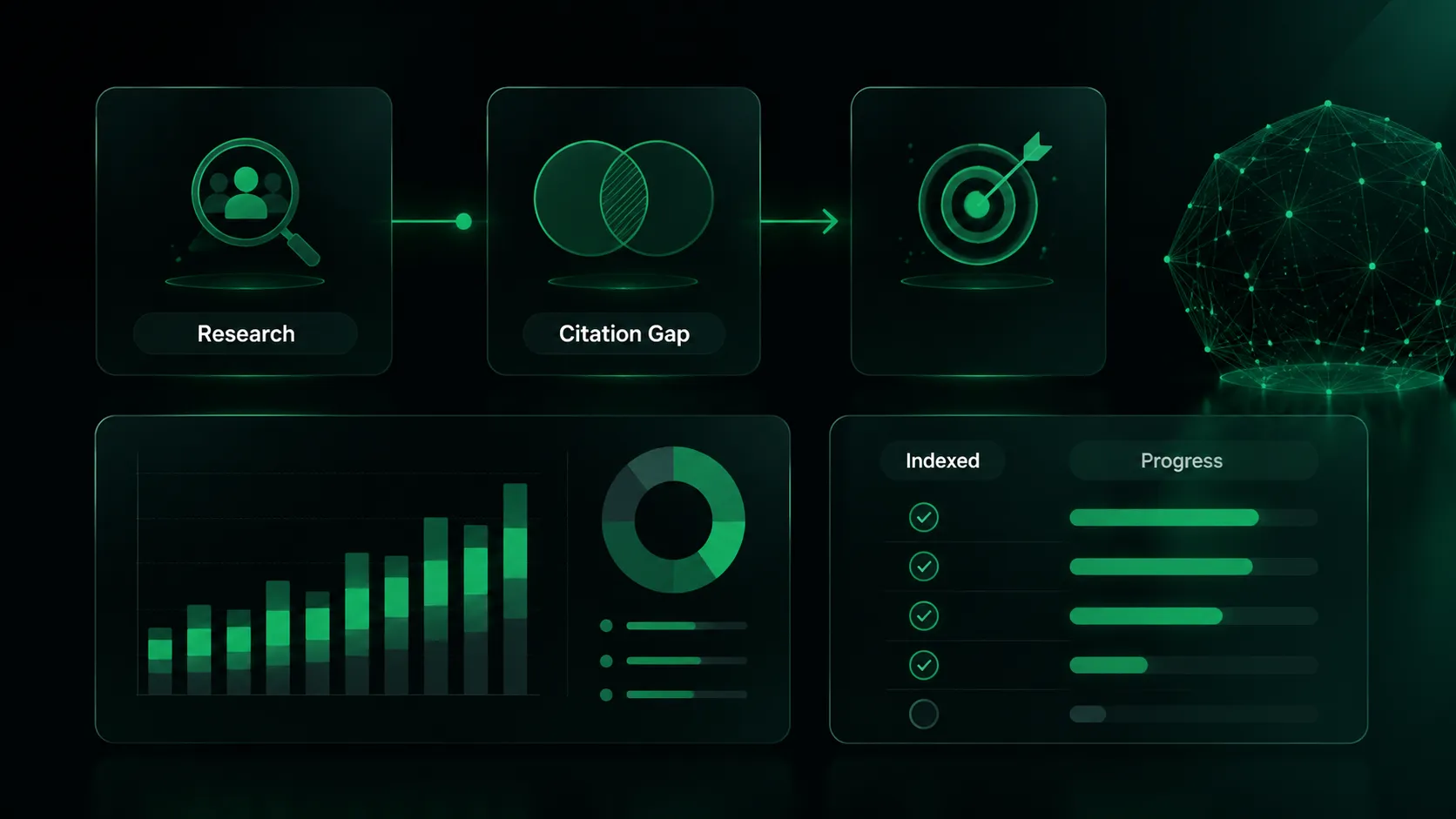
A structured competitor analysis transforms citation research into a repeatable workflow that supports stronger local SEO results. Rather than collecting random business listings, successful campaigns identify the citation patterns behind top-performing competitors and prioritize opportunities that contribute to sustainable ranking improvements.
At our agency, every campaign follows a documented process that combines citation research with outreach, editorial backlinks, and performance tracking. This approach improves efficiency, strengthens local SEO presence, and ensures new listings support measurable business growth instead of adding unnecessary complexity.
The workflow includes:
- Identify true search competitors.
- Gather citation data.
- Compare citation profiles.
- Find missing listings.
- Prioritize implementation based on authority and relevance.
Following these steps allows businesses to build a stronger citation profile while maintaining consistency across every business listing.
Select Main Local Competitors
The first step is identifying businesses that compete in local search, not simply companies that compete offline. The organizations appearing consistently for your primary local keywords are the competitors that influence your visibility and should become the focus of your research.
Our specialists begin by reviewing Google Business Profile results, local organic listings, Google Maps, and industry-specific directories. This process helps find local competitors that dominate valuable search queries, even if they operate differently from traditional market rivals.
When identifying your local competition, we evaluate:
- Visibility in Google Maps.
- Consistency in the local pack.
- Organic search rankings.
- Industry relevance.
- Geographic overlap.
- Business category alignment.
Accurate competitor selection ensures every subsequent stage of the analysis focuses on businesses that truly affect your local SEO performance.
Collect Competitor Citation Data
Once competitors are identified, the next step is collecting detailed citation information. This includes reviewing business directories, review platforms, mapping services, industry listings, and regional websites where competitors maintain consistent profiles.
Our team uses SEO tools like BrightLocal, tools like Moz Local, and manual directory research to build comprehensive citation inventories. We also evaluate Google Business Profile, review websites, and business associations to determine which listings consistently appear across successful competitors.
Information collected typically includes:
- Directory name.
- Business category.
- NAP consistency.
- Website URL.
- Available reviews.
- Profile completeness.
- Geographic relevance.
Combining automated discovery with manual validation produces a more accurate dataset than relying solely on software, particularly when researching specialized industries.
Compare Citation Profiles
After gathering citation data, businesses should compare every competitor profile against their own. The objective is not simply counting listings but understanding which citations contribute meaningful authority and where improvements can be made.
Our comparison process evaluates:
| Comparison Area | Why It Matters |
|---|---|
| Citation coverage | Reveals overall directory visibility. |
| Profile completeness | Improves trust and user experience. |
| Business categories | Reinforces topical relevance. |
| NAP consistency | Supports reliable business verification. |
| Customer reviews | Strengthens credibility and engagement. |
This comparison often highlights opportunities that traditional local competitor analysis overlooks, including stronger category selection, better profile optimization, and higher-quality directory placements.
Find Citation Gaps
Citation gap analysis identifies directories where competitors maintain accurate listings but your business is absent. These gaps frequently represent the quickest opportunities to strengthen authority because they are already proven within your industry and geographic market.
Instead of copying every listing, our agency filters opportunities based on relevance, authority, editorial quality, and long-term SEO value. Businesses can also measure local link-building results by naturally linking across broader reporting workflows to evaluate how new citations contribute alongside outreach-based backlinks.
Typical citation gaps include:
- Industry directories.
- Regional business listings.
- Professional associations.
- City business portals.
- Community organizations.
- Trusted review websites.
Filling these gaps creates a stronger citation profile while supporting broader local SEO efforts.
Prioritize Citation Opportunities
Not every citation deserves immediate attention. Effective campaigns rank opportunities according to authority, relevance, trust, and implementation effort before beginning submission work.
A practical prioritization framework includes:
- High Priority – Authoritative industry directories, trusted regional listings, and verified business platforms.
- Medium Priority – Relevant niche websites and established community organizations.
- Low Priority – General directories with limited authority or minimal local relevance.
This structured approach ensures resources are invested where they produce the greatest impact. Combined with editorial backlinks, content development, and ongoing monitoring, prioritized citation acquisition helps businesses strengthen your local SEO, increase search visibility, and build a stronger local presence that supports sustainable growth over time.
Tools for Competitor Citation Analysis
Effective local SEO campaigns rely on reliable data rather than assumptions. The right tools simplify citation discovery, reveal competitor patterns, and make ongoing management more efficient. While automation speeds up research, experienced SEO professionals always validate findings manually to ensure accuracy and relevance.
At our agency, we combine commercial platforms with manual verification because no single tool captures every valuable citation opportunity. This hybrid workflow improves campaign quality while ensuring every listing supports long-term SEO performance.
The most effective approach combines:
- Citation auditing platforms.
- Citation discovery tools.
- Manual competitor research.
- Directory validation.
- Ongoing performance monitoring.
Using multiple data sources provides a more complete picture of the citation landscape and reduces the risk of overlooking valuable opportunities.
Local SEO Platforms
Comprehensive local SEO platforms help businesses audit listings, monitor NAP consistency, compare competitor profiles, and identify missing business information. These solutions significantly reduce the time required for citation management while improving reporting accuracy.
Popular platforms include BrightLocal and Moz Local, both of which provide valuable insights into listing coverage, consistency, and directory opportunities. These platforms also simplify local SEO analysis by identifying incomplete profiles, duplicate listings, and inconsistent business information that could affect ranking.
Although automation improves efficiency, our specialists review every recommendation before implementation. This ensures only high-quality directories become part of a client's long-term citation strategy.
Citation Discovery Tools
Citation discovery tools focus on finding existing business listings and uncovering authoritative directories where competitors already maintain profiles. They help agencies build targeted citation campaigns instead of relying on generic directory databases.
Useful discovery methods include:
- Whitespark Local Citation Finder for identifying citation opportunities.
- SEO tools like Ahrefs for reviewing competitor authority signals.
- Google Maps searches.
- Industry directory databases.
- Local business associations.
- Regional review websites.
These resources help businesses discover citations for local SEO that are both relevant and trusted within their industry.
Manual Research Methods
Businesses with limited budgets can still perform effective citation research using manual methods. Although this approach requires more time, it often uncovers highly relevant local opportunities that automated platforms overlook.
Useful manual techniques include searching Google Maps, reviewing business association websites, exploring industry directories, and using advanced search operators to locate competitor listings. Examining where top-performing businesses appear repeatedly often reveals valuable directories that deserve priority.
Manual research also helps validate automated reports, ensuring businesses focus on authoritative listings instead of outdated or low-quality directories.
Citation Gap Analysis Strategies
Citation gap analysis transforms competitor research into practical optimization tasks. Instead of simply observing where competitors appear, businesses can create structured implementation plans that prioritize the most valuable citation opportunities first.
As an outsourced link building agency, we integrate citation gap analysis into broader authority-building campaigns. Every opportunity is evaluated according to trust, relevance, editorial quality, and potential contribution to local SEO growth before any submissions are made.
A structured strategy improves efficiency while ensuring citation acquisition supports sustainable ranking improvements.
Find Missing Business Listings
The first objective is identifying authoritative directories where competitors maintain accurate profiles but your business is missing. These opportunities represent proven citation sources because successful businesses within your market already receive value from them.
Common sources include:
- Trusted business directories.
- Industry associations.
- Regional business portals.
- Professional organizations.
- Community websites.
- Local review platforms.
Rather than submitting to every available directory, businesses should focus on listings that strengthen authority and improve overall visibility within their target market.
Evaluate Citation Authority
Every citation opportunity should be evaluated before submission. Authority, relevance, editorial quality, and audience value determine whether a listing is likely to support long-term SEO success.
Our evaluation considers:
| Evaluation Criteria | Importance |
|---|---|
| Domain authority | Indicates overall trustworthiness. |
| Industry relevance | Supports topical authority. |
| Geographic relevance | Reinforces local signals. |
| Editorial standards | Reduces spam risk. |
| Organic traffic | Demonstrates real user engagement. |
This review process prevents businesses from investing time in directories that provide little measurable value while prioritizing opportunities that strengthen authority.
Build Priority Citation List
After evaluating available opportunities, businesses should organize citations into implementation groups. A structured roadmap keeps campaigns focused and makes progress easier to measure over time.
A practical framework includes:
- High Priority: Authoritative industry directories, trusted regional listings, Google Business Profile support directories, and established professional organizations.
- Medium Priority: Relevant niche directories, supplier listings, business associations, and respected community resources.
- Low Priority: General directories with limited authority, outdated platforms, or websites with little local relevance.
Prioritized implementation ensures citation building remains efficient while supporting broader link-building campaigns, stronger authority signals, and sustainable local SEO growth.
Common Mistakes During Competitor Citation Analysis
Even well-planned citation campaigns can lose effectiveness when businesses focus on quantity instead of quality. Avoiding common mistakes ensures competitor research produces meaningful improvements rather than unnecessary directory submissions.
Experienced agencies treat citation management as an ongoing optimization process rather than a one-time project. Regular reviews, quality control, and performance tracking help maintain strong local authority over time.
Copying Every Competitor Citation
Not every directory used by a competitor deserves replication. Some listings may provide little SEO value, while others may exist solely because of historical marketing efforts.
Instead of copying every citation, evaluate each opportunity based on authority, relevance, editorial quality, and geographic value before adding it to your campaign.
Ignoring Citation Accuracy
Incorrect business information can weaken trust and create confusion across search platforms. Duplicate listings, inconsistent phone numbers, outdated addresses, and incomplete profiles reduce citation effectiveness over time.
Businesses should routinely verify every listing to ensure consistent NAP information across all directories and business platforms.
Focusing Only on Large Directories
Large national directories are valuable, but they are rarely the only sources that influence local SEO. Smaller industry-specific directories, regional associations, and community organizations often provide stronger relevance within competitive markets.
Combining authoritative national listings with trusted niche resources creates a more balanced and effective citation profile.
Skipping Citation Maintenance
Citation management does not end after creating business listings. Directories regularly update information, ownership changes occur, and businesses relocate or modify contact details.
Periodic audits help identify outdated information, remove duplicates, maintain profile accuracy, and ensure citations continue supporting long-term local SEO performance.
Citation Analysis Best Practices for Long-Term Local SEO

Sustainable local SEO depends on consistent optimization rather than one-time citation submissions. Competitor research should become part of a recurring SEO process that identifies new opportunities, maintains listing accuracy, and measures business impact over time. As a fully managed link building agency, we combine citation management with editorial backlinks, content creation, and outreach campaigns to build long-term authority instead of chasing short-term gains.
Businesses that continually review competitor activity adapt faster to market changes, discover new citation sources before they become saturated, and maintain stronger visibility across local search. Ongoing optimization also supports more accurate business information, improved trust signals, and stronger performance in competitive markets.
A sustainable citation strategy should include:
- Regular competitor reviews.
- Continuous citation maintenance.
- Review management.
- Localized content development.
- Performance measurement and reporting.
Following these practices helps businesses maintain consistent authority while supporting long-term local SEO success.
Monitor Competitor Citation Growth
Competitor citation profiles change regularly as businesses expand into new directories, industry platforms, and local organizations. Monitoring these developments allows businesses to identify new opportunities before competitors establish a lasting advantage.
We recommend reviewing competitor citations quarterly in most industries and monthly in highly competitive markets. Tracking newly acquired listings, updated business profiles, and emerging regional directories helps businesses maintain a competitive position while strengthening their overall authority.
Regular monitoring also improves campaign planning by revealing which citation sources continue to deliver value within a specific market.
Combine Citation Analysis With Review Management
Citation consistency and customer reviews reinforce one another. Accurate business information improves trust, while positive reviews strengthen user confidence and increase engagement across business listings.
Businesses should monitor reviews across major platforms while maintaining identical business information in every citation. This combination improves profile credibility and supports stronger visibility within Google Business Profile and other trusted business directories.
Together, citation optimization and review management create stronger trust signals that contribute to sustainable local search performance.
Support Citation Strategy With Local Content
Citation building becomes significantly more effective when supported by high-quality local content and authoritative backlinks. Location pages, community resources, regional guides, and industry-focused articles provide additional context that reinforces citation signals.
Editorial backlinks earned through manual outreach further strengthen business authority by connecting citations with relevant content published on trusted websites. For businesses in competitive property markets, building real estate local SEO authority helps reinforce geographic relevance, strengthen topical expertise, and support long-term local search visibility.
Combining localized content, outreach-based backlinks, and citation management provides a more balanced approach than relying on directory submissions alone.
Measure Citation Impact
Citation campaigns should always be measured using meaningful business metrics rather than simply counting listings. Monitoring performance allows businesses to refine their strategy and focus resources on the opportunities producing the strongest results.
Important metrics include:
- Local ranking improvements.
- Google Maps visibility.
- Referral traffic from business directories.
- Citation accuracy.
- Google Business Profile engagement.
- Organic traffic growth.
- Conversion performance.
Tracking these indicators demonstrates whether citation improvements contribute to stronger authority and long-term local SEO performance.
FAQ
How can competitor citation analysis help local SEO?
Competitor citation analysis identifies authoritative directories, reveals missing business listings, and uncovers citation gaps that support stronger local SEO performance. By focusing on proven citation sources instead of random submissions, businesses can improve trust, strengthen authority, and increase local visibility.
How often should competitor citation analysis be performed?
Most businesses should review competitor citations every three to six months. Companies operating in highly competitive industries or expanding into new markets benefit from monthly reviews to identify new opportunities and maintain accurate business listings.
Which citation sources matter most for local SEO?
The most valuable citation sources are authoritative, industry-relevant, and geographically focused directories. Business associations, professional organizations, trusted regional listings, and reputable review platforms generally provide stronger long-term value than low-quality general directories.
Can small businesses perform competitor citation analysis without paid tools?
Yes. Small businesses can research competitor citations manually by reviewing Google Maps, business directories, industry associations, and regional listings. Free resources combined with careful analysis often uncover valuable citation opportunities without requiring expensive software.
Does competitor citation analysis improve Google Business Profile performance?
Yes, indirectly. Consistent citations strengthen business trust and reinforce the accuracy of business information, helping support Google Business Profile visibility while improving overall local search performance.
What should be done after finding citation gaps?
After identifying citation gaps, businesses should create accurate listings on trusted directories, maintain consistent NAP information, prioritize authoritative citation sources, and monitor performance regularly to ensure citation improvements continue supporting long-term local SEO growth.